Tag Archives: HBCU

Could You Spend $30 Million In 30 Days on Us? How Monty Brewster Could Have Spent $30 Million with African American Businesses

“And we’re in the business of being in business, and we’re doin’ business.” – “Monty” Brewster

The 1985 film Brewster’s Millions, starring Richard Pryor as Montgomery “Monty” Brewster, tells the story of a man who must spend $30 million in 30 days without accumulating assets or informing anyone of his goal in order to inherit $300 million. Adjusted for inflation, Brewster’s $30 million would be approximately $85 million in today’s dollars, while the $300 million inheritance would be worth over $850 million. While Monty’s spending spree involved extravagant parties, failed investments, and creative tactics to burn through cash, the film missed an opportunity to showcase meaningful economic empowerment strategies. By directing his wealth toward African American businesses, Monty could have positively impacted communities while still meeting the conditions of the challenge. This article outlines how Brewster could have spent his fortune effectively within the African American business ecosystem.

  1. Investing in Education, Arts, and Wellness for African American Communities ($1.5 million or $4.25 million in today’s dollars)

Monty Brewster could have channeled a portion of his funds toward HBCUs, African American arts organizations, and health initiatives. These institutions play a vital role in developing African American leadership, entrepreneurship, and cultural advancement. Brewster could have funded scholarships, financed infrastructure improvements, or supported specialized academic programs such as business incubation centers. Additionally, Brewster could have become a major patron of African American artists, musicians, and cultural organizations. Funding live performances, commissioning murals and sculptures, or sponsoring large-scale cultural events would have allowed him to inject cash into the creative sector while meeting the requirement to spend without accumulating lasting assets.

Health disparities have historically affected African American communities. Brewster could have supported Black-owned health clinics, funded wellness programs, or launched temporary mental health outreach initiatives. Sponsoring community health fairs and free medical check-up events could have aligned with his spending goals. To adhere to his challenge’s constraints, Brewster is limited charitable giving to $1.5 million. Within that budget, he could have made substantial contributions to civil rights organizations such as the National Center for Black Family Life, Black Teacher Project, and African American Credit Union Coalition. Funding advocacy campaigns, legal defense funds, and educational outreach programs would have ensured his spending aligned with causes that strengthen social equity. By underwriting public awareness campaigns or supporting temporary voter registration drives, he could have spent large sums while advancing civil rights initiatives.

  1. Supporting African American Media Companies ($4 million or $11.3 million in today’s dollars)

The media landscape has historically marginalized African American voices. Brewster could have spend money in Black-owned newspapers, radio stations, and production companies. By purchasing advertising space, sponsoring TV segments, or funding film productions that amplify African American stories, he could have spent millions while strengthening the narrative control of the community. This would have been especially true when he ran for mayor of New York City with his “None Of The Above” campaign which allows him to burn through millions.

  1. Empowering African American-Owned Interior Designers ($3 million or $8.5 million in today’s dollars)

Instead of investing in real estate projects with limited long-term impact, Brewster could have hired African American-owned interior design firms to revamp commercial spaces, restaurants, and event venues. Funding redesigns for offices, galleries, or retail spaces would have allowed him to spend significant amounts quickly while showcasing Black creative talent. Partnering with these designers to create temporary installations, pop-up exhibits, or themed public events would further align with Brewster’s spending objectives.

  1. Supporting Black-Owned Restaurants and Hospitality ($5 million or $14.2 million in today’s dollars)

Instead of squandering money on excessive parties with little social value, Brewster could have organized lavish gatherings catered exclusively by Black-owned restaurants, breweries, and event-planning companies. Hosting galas, networking events, or concerts powered by African American businesses would have rapidly spent millions while empowering these enterprises. Additionally, Brewster could have pre-paid months of reservations at Black-owned hotels for conferences, weddings, and events that celebrate Black culture.

  1. Promoting and Empowering African American Entrepreneurs in Technology ($4 million or $11.3 million in today’s dollars)

During the 1980s, technology was emerging as a transformative industry. Brewster could have directed funds to African American inventors, tech startups, and computer training programs. Sponsoring computer literacy drives in underserved neighborhoods, purchasing computers for community centers, or funding coding boot camps would have injected significant capital into this sector without violating the “no assets” condition. Additionally, Brewster could have launched a series of pitch competitions or startup grant programs to fund Black entrepreneurs. By awarding no-strings-attached grants to aspiring business owners, Brewster could have circulated his funds directly into the hands of innovative minds in the community. Creating a “Brewster’s Millionaire Fund” for new ventures would have established a lasting narrative of empowerment.

  1. Financing Black-Owned Transportation Companies ($4 million or $11.3 million in today’s dollars)

Brewster’s challenge required rapid cash outflows. He could have achieved this by chartering fleets of Black-owned transportation services, including buses, limousines, and taxis. Organizing free ride programs, senior citizen transport services, or back-to-school bus initiatives would have ensured meaningful community impact while fulfilling the spending requirements.

  1. Sponsoring Sports Teams in the African American Community ($4.5 million or $12.7 million in today’s dollars)

In the film, Brewster splurged on funding a struggling baseball team. He could have expanded this vision by sponsoring youth sports leagues, purchasing uniforms from Black-owned apparel companies, and financing travel expenses for underserved teams. By supporting athletics in underserved communities, he would have combined financial impact with social good.

  1. Creating Pop-Up Markets and Retail Experiences ($4 million or $11.3 million in today’s dollars)

To rapidly circulate cash, Brewster could have sponsored temporary markets that featured Black-owned businesses. By covering booth fees, marketing costs, and other overhead expenses, he could have injected cash into dozens of retail entrepreneurs. Such events would celebrate local artisans, designers, and vendors while creating a meaningful economic impact.

Monty Brewster’s dilemma of spending $30 million in 30 days presented a unique opportunity to create lasting change. By investing heavily in African American businesses, nonprofits, and community initiatives, Brewster could have met his goal while strengthening economic power in marginalized communities. Such a storyline would not only have showcased Brewster’s ingenuity but also highlighted the immense potential of targeted investment to uplift communities. If Hollywood ever revisits Brewster’s Millions, perhaps they will reimagine his spending spree as a transformative journey of economic empowerment.

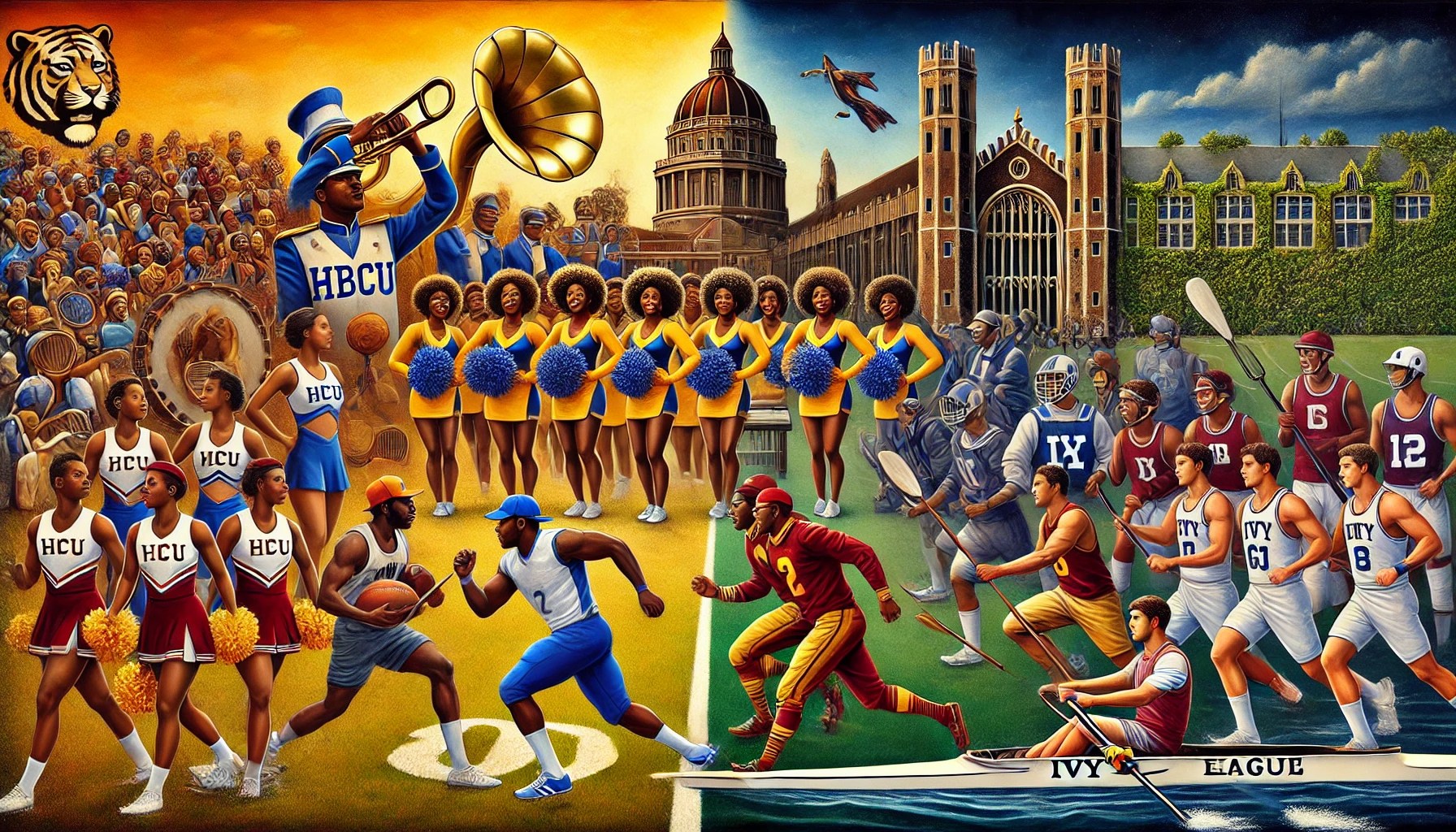
Would The Ivy League Athletic Model Work For HBCUs?

“Challenges make you discover things about yourself that you never really knew.” — Cicely Tyson

When you encounter most HBCU alumni regarding their athletic programs they all desire to be a football powerhouse. They believe that this will lead to a land of riches and honey. At the core of this delusion though is that the wealth gap between P5 athletics boosters and HBCU boosters larger than the wealth gap between is greater than the southern most tip of Florida to upstate New York. Phil Knight, University of Oregon booster and Nike owner, has a net worth of $35 billion. Oprah Winfrey is the wealthiest African American HBCU alumni with a net worth of $3 billion and the last we checked does not act as a booster to her alma mater. Meanwhile, Phil Knight in 2012 alone built the University of Oregon football team a facility to the tune of almost $70 million – and got the state legislature to amend a law to make the building legal since it ran afoul of code. But many HBCU alumni believe that if we get the “talent” to come “home” it will level the playing field. It will not. It is exhausting even explaining that the wealthy of many major athletic programs has more to do with the PWI developing and graduating entrepreneurs like Phil Knight who go on to create multibillion firms and therefore have millions to give back than whatever latest 18 year old recruit they have snagged. For greater context, Phil Knight’s building donation is almost 4X Prairie View A&M University’s athletic budget, the highest among all HBCUs.

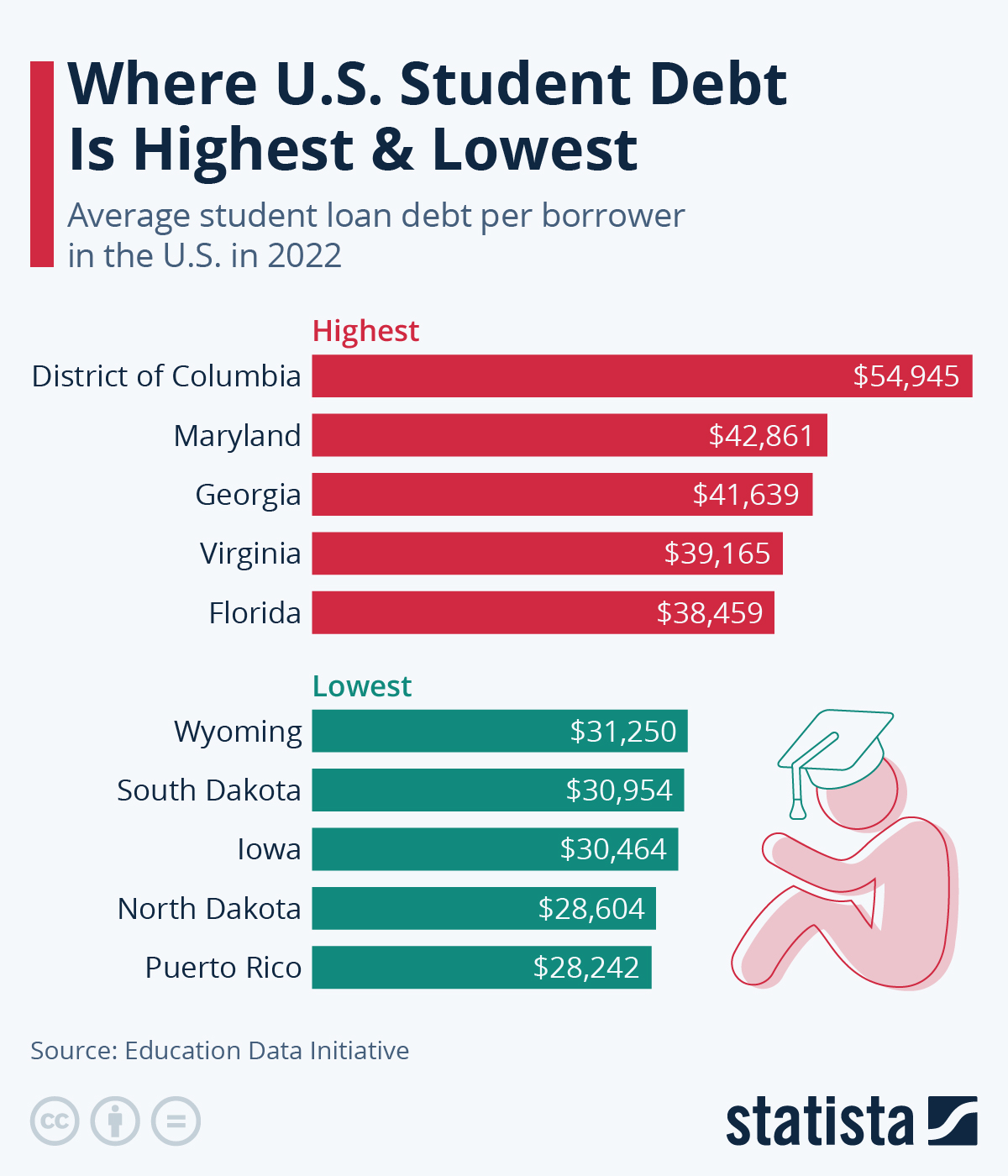
In our last SWAC/MEAC Financial Review, the two conferences combined for a loss of over $160 million in 2019-2020 if you took away their subsidies (and even with subsidies the two conferences were in the red). These $150 million in subsidies largely coming in the form of student loan fees which for most HBCUs means students packing on student loans for the sake of athletics. Something infuriating when you consider over 90 percent of HBCU students finish with student loan debt versus less than half that amount at Top 50 endowed schools, many who play DIII football or have no football program at all. That is $150 million in subsidies that could be going to scholarships, research, investments, and so many more things that produce an actual return on investment is an understatement. The idea though that HBCUs could try an athletic model that does not aspire to be P5 (no major television contracts are coming either) seems to be lost on all HBCU athletic leadership and alumni. But what if instead of focusing on the P5 schools, we instead focused on the Ivy League’s athletic model.

The Ivy League athletic model is characterized by its emphasis on academic excellence, limited athletic scholarships, and a focus on holistic student development. As historically Black colleges and universities (HBCUs) contemplate their athletic strategies, the potential adaptation of the Ivy League model raises important questions, especially concerning financial resources, alumni support, and institutional missions. Here’s a closer look at several key factors:

Financial Context: Endowments and Alumni Giving

HBCU Endowments: HBCUs generally have lower endowments compared to their Ivy League counterparts. For example, the average endowment for an HBCU is around $100 million, while top Ivy League schools like Harvard have endowments exceeding $50 billion. This significant disparity in financial resources impacts the ability of HBCUs to fund athletic programs and support student-athlete scholarships.

Ivy League Endowments: The Ivy League’s strong financial standing allows for extensive investments in athletics, facilities, and academic resources. Schools like Yale and Princeton have endowments of over $25 billion, which provide them with a substantial financial cushion to support a holistic student-athlete experience.

Alumni Giving Rates: HBCUs face challenges with alumni giving. For instance, HBCUs have an average alumni giving rate of about 15-20%, whereas Ivy League schools boast rates often exceeding 50%. This higher giving rate in the Ivy League reflects a stronger tradition of alumni engagement and philanthropic support, which is critical for sustaining athletic and academic programs.

Research Budgets and Institutional Support

HBCU Research Budgets: Research funding at HBCUs is generally lower than that of Ivy League institutions. While some HBCUs, like Howard University, receive substantial federal research grants, many others struggle to secure consistent funding. For instance, HBCUs collectively received approximately $1.5 billion in research funding in 2019, a fraction of what Ivy League schools secure annually.

Ivy League Research Funding: In contrast, Ivy League institutions benefit from robust research budgets, with individual schools like Johns Hopkins receiving over $2 billion in annual research funding. This financial backing enhances their ability to integrate athletics with academic resources, providing student-athletes with more comprehensive support.

Holistic Development and Community Engagement

The Ivy League model emphasizes the development of well-rounded individuals. HBCUs share a similar mission of producing leaders who are socially conscious and community-oriented. Adopting the Ivy model’s focus on holistic development could resonate well with HBCUs’ core values. This approach can enhance student engagement and create a strong support system for athletes.

Influence of Ivy League Billionaires

The presence of wealthy alumni, often referred to as “Ivy League billionaires,” contributes significantly to the financial health of Ivy institutions. Notable alumni from Ivy League schools frequently engage in philanthropy, enhancing the schools’ resources for academics and athletics. HBCUs lack a comparable number of affluent alumni, which affects their fundraising potential and overall financial sustainability.

Potential Challenges and Considerations

Implementing the Ivy League model in HBCUs presents both opportunities and challenges:

  • Funding Limitations: The financial constraints of HBCUs compared to Ivy League schools necessitate a tailored approach. Without significant endowment and alumni support, fully adopting a no-athletic-scholarship model could limit HBCUs’ competitiveness in attracting top athletic talent.
  • Cultural Fit: The cultural and historical contexts of HBCUs differ significantly from those of Ivy League schools. Any model adopted must align with the unique missions and student populations of HBCUs.

While the Ivy League athletic model offers valuable insights into promoting academic achievement and holistic development, its application in HBCUs would require careful adaptation. Financial disparities in endowments, alumni giving, and research funding pose significant challenges. However, by focusing on the integration of academic and athletic excellence while fostering community engagement and support, HBCUs can create a unique model that reflects their values and enhances student success both on and off the field.

In the end, HBCUs have to accept the realities on the ground. We have tried chasing the golden ticket of athletics only to find out time and time again it is fool’s gold. It is not the thing that will alter the financial realities of our institutions. If anything it may be the thing that causes their failure as a looming admissions’ crisis is looming across all of American higher education and without a lot of dry powder on hand many institutions will easily go the way of the Dodo bird. It is time to think differently, think acutely, and chart a path that maybe uncomfortable or not what we originally imagined but will ensure the existence, sustainability, and success for future HBCU generations.

Disclosure: This was written with the assistance of ChatGPT.

The Lack Of Marriage Is Holding Back African American Wealth – And How HBCUs Can Help

“Paradise is one’s own place, One’s own people, One’s own world, Knowing and known. Perhaps even Loving and loved.” – Octavia Butler

The declining marriage rates among African Americans are increasingly recognized as a significant factor holding back wealth accumulation within the community. This trend has profound implications for economic stability and intergenerational wealth transfer. Understanding the connection between marriage and wealth, along with relevant statistics, sheds light on this critical issue.

Married couples generally experience greater financial stability than single individuals. According to the U.S. Census Bureau, married couples tend to have higher median household incomes. In 2021, the median household income for married couples was approximately $100,000, compared to about $60,000 for single-parent households, which disproportionately include African American families.

Research has shown that marriage contributes significantly to wealth accumulation. A study by the Institute for Family Studies found that households headed by married couples have about three to four times the wealth of those headed by single individuals. Specifically, Black married couples had a median net worth of $131,000 in 2019, compared to only $29,000 for Black single individuals. This disparity highlights the financial advantages of marriage in building wealth.

From an economic development perspective, marriage plays a crucial role in the transfer of wealth between generations. Households with married parents are better positioned to pass down assets. A report from the Federal Reserve in 2019 indicated that only 45% of Black households had any wealth to pass on, compared to 70% of white households. The lack of marriage in the African American community limits opportunities for families to create and sustain intergenerational wealth.

It also has acute impact on social development within the African American community. Marriage can provide emotional and social stability, which is vital for sound financial decision-making. Couples often collaborate on budgeting, saving, and investing, leading to better financial outcomes. According to a Pew Research Center study, married couples are more likely to engage in long-term financial planning, further enhancing their wealth-building capacity.

The decline in marriage rates among African Americans is linked to systemic issues, including economic inequality, high incarceration rates, and historical trauma. The National Center for Family & Marriage Research reports that the marriage rate for African Americans has dropped significantly over the past few decades, from 60% in the 1960s to just 29% in 2021. Addressing these systemic barriers is essential for promoting stable relationships and supporting marriage as a pathway to wealth.

Cultural perceptions around marriage also play a role. While many African Americans value family and community, there may be less emphasis on traditional marriage structures. However, promoting awareness of the economic benefits of marriage within the community could encourage individuals to consider its advantages for wealth accumulation and stability.

Ways HBCUs Can Help Promote Black Marriage

HBCUs can play a pivotal role in promoting marriage within the African American community by implementing several strategies:

  • Educational Programs: HBCUs can offer workshops and seminars focused on relationship skills, financial literacy, and the benefits of marriage. By educating students on effective communication, conflict resolution, and financial planning, these programs can foster healthier relationships.
  • Mentorship and Counseling: Establishing mentorship programs that connect students with African American married couples can provide positive role models. Counseling services that focus on relationship dynamics and conflict resolution can also support students in building strong partnerships.
  • Community Engagement: HBCUs can organize community events that celebrate marriage and family life, encouraging students to engage with positive narratives around marriage. These events can include discussions, panels, and social activities that promote the value of committed relationships.
  • Collaborative Research: HBCUs can engage in research initiatives that explore the factors influencing marriage rates in the African American community. Understanding these dynamics can inform policies and programs aimed at supporting healthy relationships.
  • Scholarships and Incentives: Creating scholarship programs for students who participate in marriage enrichment programs can incentivize students to invest in their relationships while also promoting the value of African American marriage within the community.
  • Marriage Endowments: HBCU alumni can partner with the UNCF and Thurgood Marshall Fund to create an endowment that provides head start capital for African American marriages among their alumni. This head start capital can be disbursed at once or over a set number of years ensuring that couples get off to a financially stable start.

The decline in marriage rates among African Americans poses significant challenges to wealth accumulation and economic stability. By addressing the underlying issues and promoting the benefits of marriage, HBCUs can play a crucial role in fostering healthy relationships within the community. Implementing educational programs, mentorship opportunities, and community engagement initiatives can help strengthen marriage as a pathway to wealth and empower future generations to build a more financially secure future.

There is no African American community without the African American family and there is no African American family without African American marriage. At the very center of anything we discuss must be the institutional stabilization of the African American family and therefore African American marriages and partnerships. Right now the foundation of community and institution building is in crisis with no real way to stem the tide of the crisis. Building in more institutional support services for mental, physical, and nutritional health are just a few of the things needed along with financial stability programs would go a long way to the stability of African American marriage and partnerships. Generational wealth or generational poverty is on the line and great sacrifice must be made if we want the former and not more of the latter.

African American To Africa: Howard University’s Volleyball Team Reminds Us Why Our Diasporic Relationship Is Critical

“I am not African because I was born in Africa but because Africa was born in me.” – Kwame Nkrumah

Sometimes even HBCUs forget that they are part of a global building of the African Diaspora’s building of social, economic, and political interests. The building of that interests strengthened the more African Diaspora institutions connect our ecosystem together and circulate our SEP capital among each other. Too often we get hung up on America desires and forget African responsibilities. As is often the case, the women of the tribe bring give us a gentle reminder as to where our focus needs to be.

Enter, Howard University’s Volleyball team and their voyage across Africa. If you have not heard the story by now, the team had an opportunity to go abroad and voted on where they should go. The team it was said overwhelmingly voted to head to the Motherland – Botswana and Zimbabwe, specifically. It would take the team and supporters raising $60,000 to fund the trip for 16 players and 4 coaches. For many PWIs, this would be simply a matter of picking up the phone and calling any handful of boosters to fund the trip, but at HBCUs we know things work a bit different. However, we also know when we put our mind to something, there is often very little that can stop us and the HBCU community was in full support of such a journey. Needless to say, many HBCU shareholders felt invested in making such a trip happen for a number of reasons.

While there they would participate in tournaments against teams from each of the aforementioned countries. It was an athletic immersion, cultural immersion, and as any African American can attest to their first time in Africa – a spiritual immersion. Historically Black Colleges and Universities (HBCUs) play a crucial role in the education and empowerment of African American students. Strengthening relationships with Africa is not only beneficial for HBCUs but also fosters mutual growth, cultural exchange, and academic collaboration. Here are several key reasons why these relationships are important:

Here are seven reasons why it is vital for of HBCUs to build relationships with Africa:

1. Cultural Exchange and Understanding

Building connections with African institutions allows HBCUs to engage in cultural exchanges that enrich the educational experience for students and faculty alike. Exposure to African cultures, languages, and histories enhances the curriculum and fosters a deeper understanding of the shared heritage between African Americans and their African counterparts. This cultural immersion can lead to a greater appreciation for diversity within the African diaspora.

2. Academic Collaboration and Research Opportunities

Partnerships with African universities can facilitate collaborative research initiatives addressing global challenges, such as public health, environmental sustainability, and social justice. Joint programs and projects allow HBCU faculty and students to contribute to meaningful solutions while benefiting from shared knowledge and resources. This collaboration can enhance the academic reputation of HBCUs and provide valuable research opportunities for students.

3. Enhancing Global Competence

In an increasingly interconnected world, fostering relationships with African institutions helps HBCU students develop global competencies. Understanding the political, economic, and social dynamics of African nations equips students with the skills needed to navigate and contribute to a global society. This experience is invaluable in preparing them for careers in international relations, global business, and public policy.

4. Economic Development and Entrepreneurship

Collaborative efforts between HBCUs and African institutions can promote entrepreneurship and economic development in both regions. Initiatives such as exchange programs, business incubators, and investment partnerships can create pathways for HBCU graduates to engage with African markets. This can stimulate job creation and economic growth, benefiting both communities.

5. Strengthening the African Diaspora

HBCUs can play a pivotal role in strengthening the ties within the African diaspora. By building relationships with Africa, they can contribute to a more unified understanding of shared struggles and successes. This connection fosters solidarity among people of African descent, promoting collective action on issues such as social justice, education, and economic empowerment.

6. Creating Opportunities for Students

Establishing partnerships with African universities opens doors for HBCU students to participate in study abroad programs, internships, and service learning opportunities. These experiences not only enhance their education but also allow them to build networks and gain firsthand insights into different cultural and social contexts.

7. Promoting Research on African Issues

HBCUs can leverage their unique perspectives to conduct research that addresses challenges faced by African nations. By focusing on topics such as health disparities, education, and development, HBCUs can contribute valuable insights and innovative solutions that benefit both African communities and the global academic community.

The relationships between HBCUs and Africa are crucial for promoting cultural exchange, academic collaboration, and economic development. By fostering these connections, HBCUs can enhance their educational offerings, prepare students for a globalized world, and strengthen the ties within the African diaspora. Ultimately, these relationships can lead to mutual growth and a deeper understanding of the rich tapestry of African and African American histories and cultures. By nurturing this connection, African Americans can strengthen their identities, honor their histories, and collaborate with others in the diaspora to address shared challenges. This relationship ultimately enriches the African American experience and contributes to a more unified and empowered global community of people of African descent.

Disclosure: This article was assisted by ChatGPT. 


HBCU Money’s 2024 Top 10 HBCU Endowments

Note: These data are based on colleges, universities, affiliated foundations, and related nonprofit organizations that volunteered to participate in NACUBO’s endowment study series.” – NACUBO

Howard University has finally done it. They have become the first HBCU to cross the $1 billion endowment mark. An indelible mark that is now the benchmark for potential to survive the coming admissions cliff that U.S. colleges and universities will face as demographics have acutely shifted from the number of students going to college and the number of colleges who will be able to withstand a downturn. HBCUs (like many smaller colleges and universities) are disproportionately reliant on tuition revenues and government funding to keep the doors open and lights on. The factors are a myriad from low African American wealth to limited investment models for their endowments. The latter being something of a chicken and egg situation whereby when you have less you are more conservative with your investment strategy, but this also leads to minimal returns. Without heavy alumni giving to ensure consistent endowment capital it is hard for HBCUs to take more investment risk.

The PWI-HBCU NACUBO Top 10 Endowment Gap for 2024 stands at $129.2 to $1, which is an increase from 2023’s $128.7 to $1.*

HIGHLIGHTS:

  • Top 10 HBCU Endowment Total – $2.6 billion*
  • Top 10 PWI Endowment Total – $336.0 billion
  • Number of PWIs Above $2 billion – 78
  • Number of PWIs Above $1 billion – 148
  • Number of HBCUs Above $1 billion – 1
  • Number of HBCUs Above $100 million – 8
  • 669 colleges, universities, and education-related foundations completed NACUBO’s FY24 survey and those institutions hold $884.3 billion of endowment assets with an average endowment of $1.3 billion and median endowment of $244.4 million.
  • HBCUs comprised 1.5 percent of NACUBO’s reporting institutions and 0.3 percent of the reporting endowment assets.
  • PWI endowments (30) with endowments over $5 billion hold 58.5 percent of the $884.3 billion in endowment assets.

All values are in millions ($000)**

Previous year in parentheses for Endowment Value Per Full-Time Student

1. Howard University – $1,032,496 (11.4%)

Endowment Value Per Full-Time Student – $76,960 ($81,341)

2. Spelman College – $506,709 (6.7%)

Endowment Value Per Full-Time Student – $199,727 ($197,713)

3. Morehouse College – $263,080 (3.5%)

Endowment Value Per Full-Time Student – $104,521 (N/A)

4. North Carolina A&T State University  – $201,942 (22.6%)

Endowment Value Per Full-Time Student – $15,519 (N/A)

5.  Meharry Medical College – $193,938 (8.2%)

Endowment Value Per Full-Time Student – $178,909 ($165,394)

6. Florida A&M University – $124,141 (9.5%)

Endowment Value Per Full-Time Student – $13,393 ($6,044)

7. Virginia State University – $96,544 (-4.4%)

Endowment Value Per Full-Time Student – $19,555 ($22,903)

8. Norfolk State University – $96,403 (15.4%)

Endowment Value Per Full-Time Student – $15,947 ($16,149)

9. Fayetteville State University – $34,915 (11.6%)

Endowment Value Per Full-Time Student – $5,931 ($5,479)

10. American Baptist College – $1,237 (22.8%)

Endowment Value Per Full-Time Student – $29,463 (N/A)

*Due to Hampton University, Morgan State University, Tuskegee University, and Kentucky State University not participating this year significantly altered the Top 10 HBCUs endowment combined total. We estimate with these HBCUs included the Top 10 HBCU endowments probably are near $2.9 billion.

**The change in market value does NOT represent the rate of return for the institution’s investments. Rather, the change in the market value of an endowment from FY23 to FY24 reflects the net impact of:
1) withdrawals to fund institutional operations and capital expenses;
2) the payment of endowment management and investment fees;
3) additions from donor gifts and other contributions; and
4) investment gains or losses.

SOURCE: NACUBO

Take a look at how an endowment works. Not only scholarships to reduce the student debt burden but research, recruiting talented faculty & students, faculty salaries, and a host of other things can be paid for through a strong endowment. It ultimately is the lifeblood of a college or university to ensure its success generation after generation.