Analysis: European Americans unemployment rate pushes higher to 3.8 percent, a return to its five month high. Asian Americans decreased 50 basis points and Latino Americans increased 40 basis points from January, respectively. African Americans unemployment rate decreased 20 basis points from January. This is the second lowest rate in the past five months.
AFRICAN AMERICAN UNEMPLOYMENT RATE BY GENDER & AGE
AFRICAN AMERICAN MEN: 5.5%
AFRICAN AMERICAN WOMEN: 5.4%
AFRICAN AMERICAN TEENAGERS: 19.2%
AFRICAN AMERICAN PARTICIPATION BY GENDER & AGE
AFRICAN AMERICAN MEN: 68.3%
AFRICAN AMERICAN WOMEN: 62.7%
AFRICAN AMERICAN TEENAGERS: 30.6%
Analysis: African American Men saw a decrease in their unemployment rate by 140 basis points and African American Women remain unchanged in February, respectively. African American Men decreased their participation rate in February by 70 basis points. African American Women increased their participation rate in February by 20 basis points, their highest participation rate in the past five months. African American Teenagers unemployment rate increased by 970 basis points. African American Teenagers saw their participation rate increase by 530 basis points in February, their highest participation rate in the past five months.
African American Men-Women Job Gap: African American Women currently have 793,000 more jobs than African American Men in February. This is a decrease from 806,000 in January.
CONCLUSION: The overall economy added 151,000 jobs in February while African America added 80,000 jobs. From CNBC, “The report comes amid efforts from Elon Musk’s Department of Government Efficiency to pare down the federal government, starting with buyout incentives and including mass firings that have impacted multiple departments. Though the reductions likely won’t be felt fully until coming months, the efforts are beginning to show. Federal government employment declined by 10,000 in February though government payrolls overall increased by 11,000, the BLS said. Many of the DOGE-related layoffs happened after the BLS survey reporting period, meaning they won’t be included until the March report. Outplacement firm Challenger, Gray & Christmas reported earlier this week that announced layoffs under Musk’s efforts totaled more than 62,000.”
“I am not African because I was born in Africa but because Africa was born in me.” – Kwame Nkrumah
Sometimes even HBCUs forget that they are part of a global building of the African Diaspora’s building of social, economic, and political interests. The building of that interests strengthened the more African Diaspora institutions connect our ecosystem together and circulate our SEP capital among each other. Too often we get hung up on America desires and forget African responsibilities. As is often the case, the women of the tribe bring give us a gentle reminder as to where our focus needs to be.
Enter, Howard University’s Volleyball team and their voyage across Africa. If you have not heard the story by now, the team had an opportunity to go abroad and voted on where they should go. The team it was said overwhelmingly voted to head to the Motherland – Botswana and Zimbabwe, specifically. It would take the team and supporters raising $60,000 to fund the trip for 16 players and 4 coaches. For many PWIs, this would be simply a matter of picking up the phone and calling any handful of boosters to fund the trip, but at HBCUs we know things work a bit different. However, we also know when we put our mind to something, there is often very little that can stop us and the HBCU community was in full support of such a journey. Needless to say, many HBCU shareholders felt invested in making such a trip happen for a number of reasons.
While there they would participate in tournaments against teams from each of the aforementioned countries. It was an athletic immersion, cultural immersion, and as any African American can attest to their first time in Africa – a spiritual immersion. Historically Black Colleges and Universities (HBCUs) play a crucial role in the education and empowerment of African American students. Strengthening relationships with Africa is not only beneficial for HBCUs but also fosters mutual growth, cultural exchange, and academic collaboration. Here are several key reasons why these relationships are important:
Here are seven reasons why it is vital for of HBCUs to build relationships with Africa:
1. Cultural Exchange and Understanding
Building connections with African institutions allows HBCUs to engage in cultural exchanges that enrich the educational experience for students and faculty alike. Exposure to African cultures, languages, and histories enhances the curriculum and fosters a deeper understanding of the shared heritage between African Americans and their African counterparts. This cultural immersion can lead to a greater appreciation for diversity within the African diaspora.
2. Academic Collaboration and Research Opportunities
Partnerships with African universities can facilitate collaborative research initiatives addressing global challenges, such as public health, environmental sustainability, and social justice. Joint programs and projects allow HBCU faculty and students to contribute to meaningful solutions while benefiting from shared knowledge and resources. This collaboration can enhance the academic reputation of HBCUs and provide valuable research opportunities for students.
3. Enhancing Global Competence
In an increasingly interconnected world, fostering relationships with African institutions helps HBCU students develop global competencies. Understanding the political, economic, and social dynamics of African nations equips students with the skills needed to navigate and contribute to a global society. This experience is invaluable in preparing them for careers in international relations, global business, and public policy.
4. Economic Development and Entrepreneurship
Collaborative efforts between HBCUs and African institutions can promote entrepreneurship and economic development in both regions. Initiatives such as exchange programs, business incubators, and investment partnerships can create pathways for HBCU graduates to engage with African markets. This can stimulate job creation and economic growth, benefiting both communities.
5. Strengthening the African Diaspora
HBCUs can play a pivotal role in strengthening the ties within the African diaspora. By building relationships with Africa, they can contribute to a more unified understanding of shared struggles and successes. This connection fosters solidarity among people of African descent, promoting collective action on issues such as social justice, education, and economic empowerment.
6. Creating Opportunities for Students
Establishing partnerships with African universities opens doors for HBCU students to participate in study abroad programs, internships, and service learning opportunities. These experiences not only enhance their education but also allow them to build networks and gain firsthand insights into different cultural and social contexts.
7. Promoting Research on African Issues
HBCUs can leverage their unique perspectives to conduct research that addresses challenges faced by African nations. By focusing on topics such as health disparities, education, and development, HBCUs can contribute valuable insights and innovative solutions that benefit both African communities and the global academic community.
The relationships between HBCUs and Africa are crucial for promoting cultural exchange, academic collaboration, and economic development. By fostering these connections, HBCUs can enhance their educational offerings, prepare students for a globalized world, and strengthen the ties within the African diaspora. Ultimately, these relationships can lead to mutual growth and a deeper understanding of the rich tapestry of African and African American histories and cultures. By nurturing this connection, African Americans can strengthen their identities, honor their histories, and collaborate with others in the diaspora to address shared challenges. This relationship ultimately enriches the African American experience and contributes to a more unified and empowered global community of people of African descent.
Analysis: European Americans unemployment rate pushes lower to 3.5 percent, its lowest rate in the past five months for the second month in a row. Asian Americans increased 20 basis points and Latino Americans decreased 30 basis points from December, respectively. African Americans unemployment rate increased 10 basis points from December. This is the second highest rate in the past five months.
AFRICAN AMERICAN UNEMPLOYMENT RATE BY GENDER & AGE
AFRICAN AMERICAN MEN: 6.9%
AFRICAN AMERICAN WOMEN: 5.4%
AFRICAN AMERICAN TEENAGERS: 9.5%
AFRICAN AMERICAN PARTICIPATION BY GENDER & AGE
AFRICAN AMERICAN MEN: 69.0%
AFRICAN AMERICAN WOMEN: 62.5%
AFRICAN AMERICAN TEENAGERS: 25.3%
Analysis: African American Men saw an increase in their unemployment rate by 130 basis points and African American Women remain unchanged in January, respectively. African American Men increased their participation rate in January by 80 basis points bringing a halt to a four month decline. African American Women increased their participation rate in January by 10 basis points. African American Teenagers unemployment rate decreased by an unprecedented 1,070 basis points. African American Teenagers saw their participation rate decrease by 420 basis points in January, their lowest participation rate in the past five months.
African American Men-Women Job Gap: African American Women currently have 806,000 more jobs than African American Men in January. This is an increase from 757,000 in December.
CONCLUSION: The overall economy added 143,000 jobs in January while African America added 234,000 jobs. From Yahoo Finance, “Recent data has shown the labor market slowing but not rapidly deteriorating, as layoffs remain low. Economists have largely argued the recent string of labor market data fits the “broadly stable” labor market narrative Fed Chair Jerome Powell described in his most recent press conference on Jan. 29. “It’s a low-hiring environment,” Powell said. “So if you have a job, it’s all good. But if you have to find a job, the job-finding rate, the hiring rates have come down.”
“Everything that I’ve gone through informs me and my opinions in a way, I guess because I am a child of segregation. I lived through it. I lived in it. I was of it.” – Samuel L. Jackson
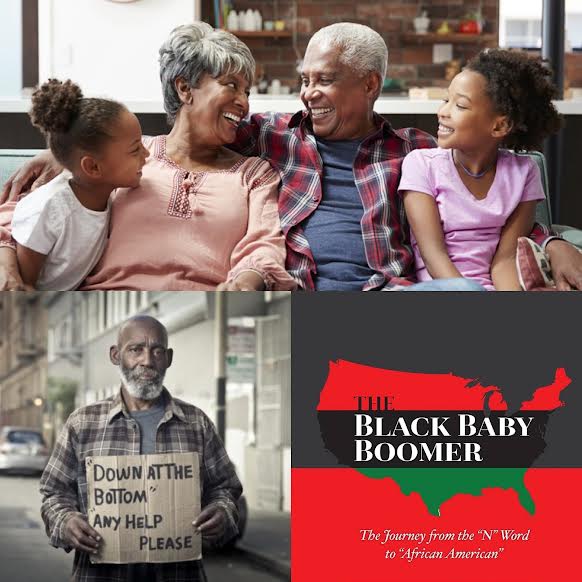
One thing most financially literate people realize is that it is not how much you make, but it is how much you keep. Those who are of a wealth building mindset realize it is not how much you keep, but how much of your capital is actually working to make you wealthier without your labor being attached to it. African American individuals, households, and institutions struggle in both cases, but mightily in the latter. Most African American wealth, as highlighted by the amount of time the African American dollar remains in our community (less than 6 hours), does little to no work for the wealth building of those three entities. A major reason for this is that African American individuals, households, and yes, even institutions put little to none of their money in African American institutions – ironically.
Economic Disparities
“According to a report by the Federal Reserve, the median net worth of African American households headed by someone aged 55-64 (who would generally be considered Baby Boomers) was around $39,000 in 2019. This is substantially lower than the median net worth of European American households in the same age group, which was around $184,000 in 2019. It’s important to note that there is significant variation within both groups, and wealth is influenced by a range of factors including income, education, and access to resources.”
Insider Intelligence gives a generational demographic breakdown reporting that, “Baby boomers were the largest living adult population until 2019. According to the US Census Bureau, US boomers have remained the second-largest population group in 2022, comprised of 69.6 million people ages 58 to 76.” And Statista reports that there are 43.26 million Boomer households meaning that approximately 4.8 million of those are African American. This then puts African American Baby Boomer wealth at approximately $187.2 billion – but what of it?
Each eldest generation will push wealth forward one way or another. Where it flows though can be largely up to the person. Some will push it to the next generation of family and friends, charities and organizations, and there are a host of other options of where money can find itself as one begins to consider their legacy both in the here and now or from the beyond. One things is crystal clear though from a Brookings Institute study, African Americans are falling behind with every passing generation, “30% of European American households received an inheritance in 2019 at an average level of $195,500 compared to 10% of African American households at an average level of $100,000.” African Americans both receive 50 percent less than their European American counterpart and European Americans are three times more likely to get an inheritance than their African American counterpart – but again what of it?
While the wealth of even African American Baby Boomers is not that of their counterparts, it should have the opportunity to make far more considerable impact than it probably actually will. As African American baby boomers age, a significant transfer of wealth is expected to occur. This presents an opportunity for younger generations to invest in education, home ownership, and entrepreneurial ventures. However, research indicates that many African American families face systemic barriers, such as lower access to financial resources and education, which could impact how this wealth is utilized and preserved.
Despite the considerable wealth held by baby boomers, economic disparities persist within the African American community and its institutions. Issues such as income inequality, lack of business ownership, access to African American owned financial institutions, limited access to financial literacy resources, and a disconnected institutional ecosystem can hinder the effective management and growth of inherited wealth. Addressing these disparities will be crucial in ensuring that future generations can leverage this wealth for long-term benefits.
Philanthropy and Community Investment
Many African American baby boomers are inclined to support causes that uplift their communities. This philanthropic inclination could lead to increased investment in African American nonprofits, education initiatives, and other community organizations. By directing funds towards institutional development, these donors can help address systemic issues and create lasting change.
Financial Planning and Literacy
The management of this wealth will largely depend on the financial literacy of both the current baby boomer generation and their heirs. Increasing access to financial education, resources, and African American owned financial institutions is essential to ensure that wealth is not only preserved but also strategically invested. Programs aimed at enhancing financial connectivity between African American households and African American financial institutions within the African American community can play a significant role in maximizing the impact of this wealth.
The fate of the $188 billion in wealth held by African American baby boomers is not just about the transfer of assets; it’s about how those assets can be utilized to build a stronger future for the community. By focusing on education, philanthropy, and addressing systemic barriers, there is potential for this wealth to make a profound impact on the lives of future generations. Ensuring that this wealth is effectively managed and directed towards meaningful causes will be crucial in shaping a more equitable and prosperous future for the African American community. In the end, the only real question is how much of the $188 billion will end up in African American institutions. Whether those organizations be African American social, economic, or political institutions is up to the household, but this is the most acute potential for institutional transformation that African America will have seen since 1865.
Disclosure: This article was assisted by NOVA AI and ChatGPT.
Analysis: European Americans unemployment rate pushes lower to 3.6 percent, its lowest rate in the past five months. Asian Americans decreased 30 basis points (lowest among all groups) and Latino Americans decreased 20 basis points from November, respectively. African Americans unemployment rate decreased 30 basis points from November. Over the past five months this is African America’s median unemployment rate.
AFRICAN AMERICAN UNEMPLOYMENT RATE BY GENDER & AGE
AFRICAN AMERICAN MEN: 5.6%
AFRICAN AMERICAN WOMEN: 5.4%
AFRICAN AMERICAN TEENAGERS: 20.2%
AFRICAN AMERICAN PARTICIPATION BY GENDER & AGE
AFRICAN AMERICAN MEN: 68.2%
AFRICAN AMERICAN WOMEN: 62.4%
AFRICAN AMERICAN TEENAGERS: 29.5%
Analysis: African American Men saw a decrease in their unemployment rate by 40 basis points and African American Women decreased by 50 basis points. African American Men decreased their participation rate in December by 50 basis points, a fourth month decline. African American Women increased their participation rate in December by 10 basis points. African American Teenagers unemployment rate increased by 210 basis points. African American Teenagers saw their participation rate increase by 170 basis points in December, their highest participation rate in the past five months after their lowest in five months last month.
African American Men-Women Job Gap: African American Women currently have 757,000 more jobs than African American Men in December. This is an increase from 640,000 in November.
CONCLUSION: The overall economy added 256,000 jobs in December while African America added 84,000 jobs. From CNN, “The selloff comes as the economy added 256,000 jobs in December, far outpacing expectations of around 153,000 jobs. While strong job growth signals a healthy economy, it raises the question of how soon the central bank needs to cut interest rates again. Additionally, President-elect Donald Trump’s proposed tariff policies, including reports of declaring a national economic emergency to impose widespread tariffs, has spooked investors, sending bond yields surging.”