Tag Archives: African American

Where Is The African American MBA At HBCUs?

“I built a conglomerate and emerged the richest black man in the world in 2008 but it didn’t happen overnight. It took me 30 years to get to where I am today. Youths of today aspire to be like me but they want to achieve it overnight. It’s not going to work. To build a successful business, you must start small and dream big. In the journey of entrepreneurship, tenacity of purpose is supreme.” — Aliko Dangote
It could be argued that many HBCUs do not see themselves as African American institutions. They just happen to be a college where African American students are the predominant student population – for now. A place where you may happen to find more African American professors than you would elsewhere. But in terms of intentionally being a place looking to serve the social, economic, and political interests of African America and the African Diaspora as a whole not so much. Schools like Harvard and the Ivy League in general seek to serve WASP interests, BYU and Utah universities serve Mormon interests, there is a litany of Catholic universities led by the flagship the University of Notre Dame serving Catholic interests, and around 30-40 women’s colleges serving women’s interests. Arguably, none are more intentional though than Jewish universities who seek to serve Jewish Diasporic interests. They do so intentionally and unapologetically. It is highlighted in two prominent dual programs.

Brandeis University, “founded in the year of Israel’s independence, Brandeis is a secular, research-intensive university that is built on the foundation of Jewish history and experience and dedicated to Jewish values such as a respect for scholarship, critical thinking and making a positive difference in the world.”

Master of Arts in Jewish Professional Leadership and Social Impact MBA In partnership with the Heller School for Social Policy and Management: “If you want to become a Jewish community executive, this program will give you the skills and expertise you need: a strong foundation in both management and nonprofit practices, as well as a deep knowledge of Judaica and contemporary Jewish life. You’ll take courses taught by scholars across the university, including management courses focused on nonprofit organizations and courses specific to the Jewish community.”

Master of Arts in Jewish Professional Leadership and Master in Public Policy: “If you want to become a professional leader who can effect positive change for the Jewish community at the policy level, you’ll need policy analysis and development skills as well as knowledge of Judaic studies and contemporary Jewish life — all of which our MA-MPP track is designed to impart. This track will teach you how to both assess policy and practice and design and implement strategic solutions.”

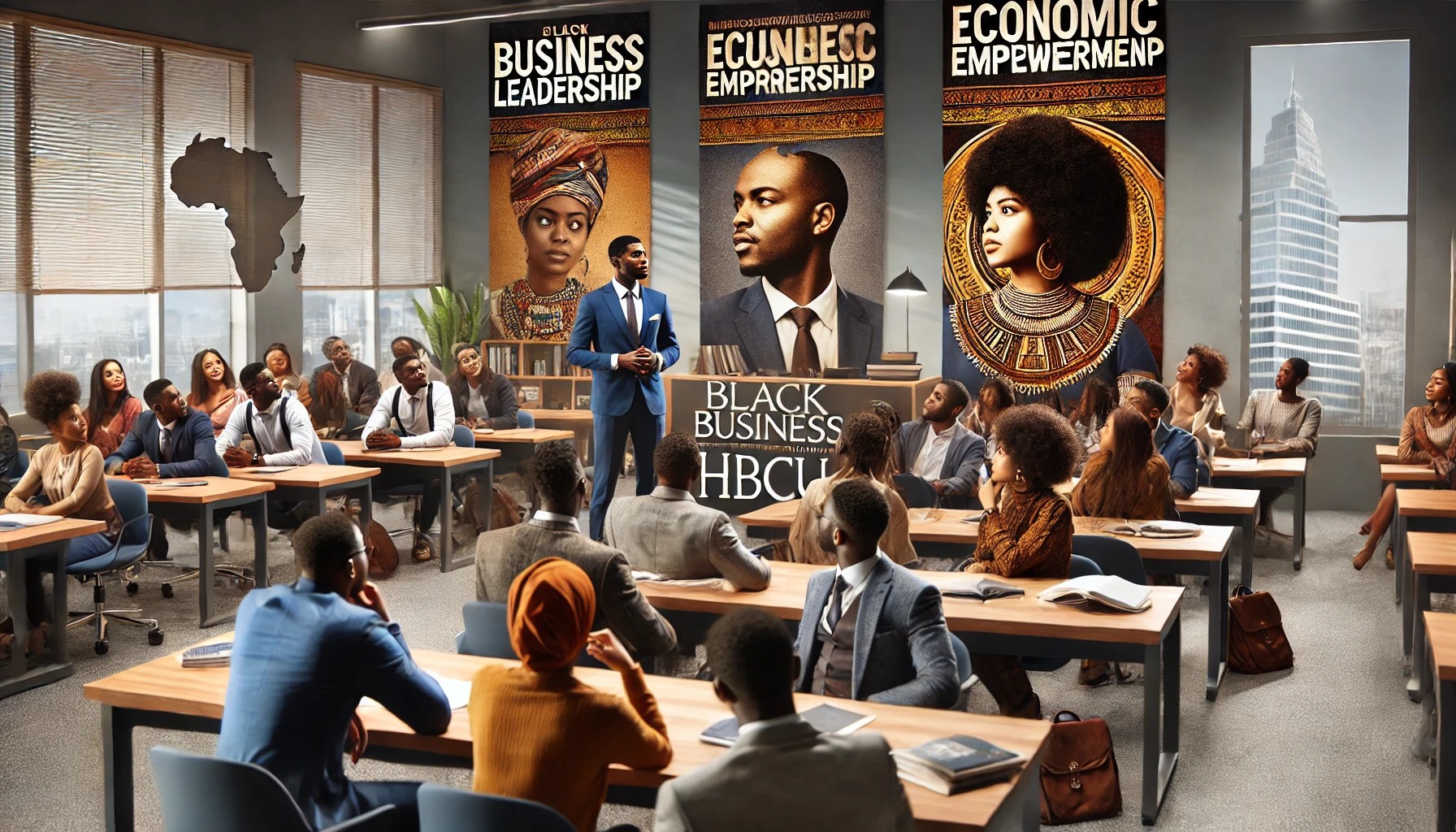
In the United States, the racial wealth gap remains stubbornly wide. For every dollar of wealth held by the average white household, the average Black household holds just 14 cents, according to the Federal Reserve. While policy debates rage on, a quieter revolution could be ignited in the lecture halls and boardrooms of Historically Black Colleges and Universities (HBCUs). It is time for these institutions to take the lead in launching a new kind of MBA—one rooted in African American entrepreneurship.

This would not be a symbolic gesture of representation. Rather, it would be a radical recalibration of business education in service of economic sovereignty. The proposed African American MBA, anchored at HBCUs, would fuse conventional business acumen with a deep focus on building and scaling Black-owned enterprises—injecting capital, credibility, and cultural context into the fight for economic justice.

A Different Kind of MBA

Traditional MBA programs—whether in Boston, Palo Alto, or London—have long celebrated entrepreneurship, but they rarely address the distinct structural barriers faced by African American founders: racialized lending, limited intergenerational capital, and investor bias, among others. An African American MBA would tackle these head-on.

Students would learn to navigate venture capital ecosystems that have historically excluded them, build business models designed for resource-scarce environments, and craft growth strategies anchored in community reinvestment. The curriculum would include case studies of Black-owned business successes and failures, from the Johnson Publishing Company to the modern fintech startup Greenwood Bank.

Such a program would not just train entrepreneurs; it would cultivate what economist Jessica Gordon Nembhard refers to as “economic democracy”—an ownership-driven economy where Black communities produce and own the value they generate.

From Theory to Practice

For this model to work, HBCUs must go beyond coursework. They must build ecosystems.

At the core of the program would be university-based business incubators providing capital, mentorship, and workspace. Students could launch ventures with real funding—from alumni-backed angel networks or Black-owned community development financial institutions (CDFIs). Annual pitch competitions would create visibility and momentum, offering grants, equity investment, or convertible notes to top-performing student ventures.

A tight integration with Black-owned businesses, supply chains, and financial institutions would form the scaffolding. Students might spend time embedded in legacy enterprises like McKissack & McKissack, or cutting-edge startups in healthtech, agritech, and media.

These ecosystems would provide fertile ground for venture creation while catalyzing local job growth. In doing so, they would re-anchor HBCUs as engines of regional economic development, not just academic training grounds.

The HBCU Edge

HBCUs are uniquely positioned to own this space. They already produce 80% of the nation’s Black judges, half of its Black doctors, and a third of its Black STEM graduates. Yet despite this outsized impact, their business schools have yet to consolidate around a unifying purpose.

By championing entrepreneurship explicitly tailored to African American realities, HBCUs could claim a domain left underserved by Ivy League and flagship public institutions.

Moreover, HBCUs benefit from strong community credibility, a network of engaged alumni, and access to philanthropic capital increasingly earmarked for racial equity. With ESG mandates guiding corporate philanthropy and DEI budgets under scrutiny, there is untapped potential for long-term partnerships with companies seeking measurable social impact through supplier diversity, mentorship, or procurement commitments.

Risks and Realities

Skeptics will ask: Will such a degree be taken seriously in the broader market? Will it pigeonhole students into “Black businesses” instead of the Fortune 500? The answer lies in the performance of the ventures it produces. Success, not symbolism, will be the ultimate validator.

Indeed, many of the world’s most transformative businesses have emerged from institutions that bet on community-specific models. Consider how Stanford’s proximity to Silicon Valley allowed it to incubate global tech companies—or how Israel’s Technion helped power a startup nation.

An African American MBA need not limit its graduates to one demographic. Rather, it provides a launchpad from which Black entrepreneurs can build scalable, inclusive ventures rooted in lived experience. And in doing so, change the face of entrepreneurship itself.

The Road Ahead

If a handful of HBCUs lead the way—Howard, Spelman, North Carolina A&T, and Texas Southern come to mind—they could collectively establish a national center of excellence for African American entrepreneurship. Over time, this could grow into a consortium offering joint degrees, online programming, and cross-campus business accelerators.

The long-term vision? A Black entrepreneurial ecosystem rivaling that of Cambridge or Palo Alto, but infused with the resilience, cultural currency, and social mission uniquely forged by African American history.

This would not merely be an academic experiment. It would be a new chapter in a centuries-old story—one where the descendants of slaves become the architects of capital.

Focusing an African American MBA program offered by HBCUs on entrepreneurship could be transformative for fostering economic growth and self-sufficiency within the Black community. Here’s how such a program might look:

Program Vision and Goals

  • Empower Black Entrepreneurs: Equip students with the tools and networks to build successful businesses that create wealth and opportunities within African American communities.
  • Address Systemic Barriers: Focus on overcoming challenges like access to capital, discriminatory practices, and underrepresentation in high-growth industries.
  • Build Community Wealth: Promote entrepreneurship as a pathway to closing the racial wealth gap and revitalizing underserved areas.

Curriculum Highlights

Core MBA Foundations:

  • Finance for Entrepreneurs: Teach how to secure funding, manage cash flow, and create financial models tailored to African American small and medium enterprises (SMEs).
  • Marketing and Branding: Strategies for building culturally relevant brands that resonate with diverse audiences.
  • Operations and Scaling: Guidance on running efficient operations and scaling businesses sustainably.

Specialized Courses:

  • Tomorrow’s Entrepreneurship: Building ventures with dual goals of profit, community impact, and focus on industries of the future.
  • Navigating VC and Angel Investments: Training on pitching to investors, negotiating terms, and understanding equity structures.
  • Black-Owned Business Case Studies: Analyze successes and failures of prominent African American entrepreneurs. Much like the Harvard Business Review that sells case studies there would be an opportunity for HBCU business schools to create a joint venture for the HBCU Business Review and sell case studies relating to African American entrepreneurship.

Hands-On Experiences

Business Incubator:

  • A dedicated incubator at the HBCU to provide seed funding, mentorship, and workspace for students to develop their ventures.

Real-World Projects:

  • Partner students with local Black-owned businesses to solve real business challenges.

Annual Pitch Competitions:

  • A platform for students to showcase business ideas to potential investors, with prizes and funding opportunities.

Partnerships and Networks

Corporate and Community Collaborations:

  • Partnerships with companies that prioritize supplier diversity programs to provide procurement opportunities for graduates.
  • Collaborations with established Black entrepreneurs for mentorship and guest lectures.

Access to Capital:

  • Establish a dedicated fund or partnership with Black-owned financial institutions to provide startup capital.

Measurable Outcomes

  • Startups Launched: Track the number of new businesses started by graduates.
  • Jobs Created: Measure the economic impact of those businesses in local communities.
  • Community Investment: Monitor how much revenue is reinvested into underserved neighborhoods.

In contrast to institutions that intentionally serve specific cultural, religious, or ideological communities, many HBCUs appear to operate as predominantly African American in demographic composition rather than as institutions deeply invested and intentional in advancing the collective social, economic, and political interests of African Americans and the African Diaspora. While other universities—whether Ivy League institutions catering to elite WASP traditions, religious universities fostering faith-based leadership, or Jewish universities purposefully cultivating Jewish communal leadership—explicitly align their missions with the advancement of their respective communities, HBCUs often lack this same level of strategic intent. If HBCUs wish to remain vital and relevant in the future, they may need to more deliberately embrace their role as institutions committed to the upliftment of African American communities, not just as spaces where Black students and faculty are well-represented, but as powerful engines of social transformation.
Could You Spend $30 Million In 30 Days on Us? How Monty Brewster Could Have Spent $30 Million with African American Businesses

“And we’re in the business of being in business, and we’re doin’ business.” – “Monty” Brewster

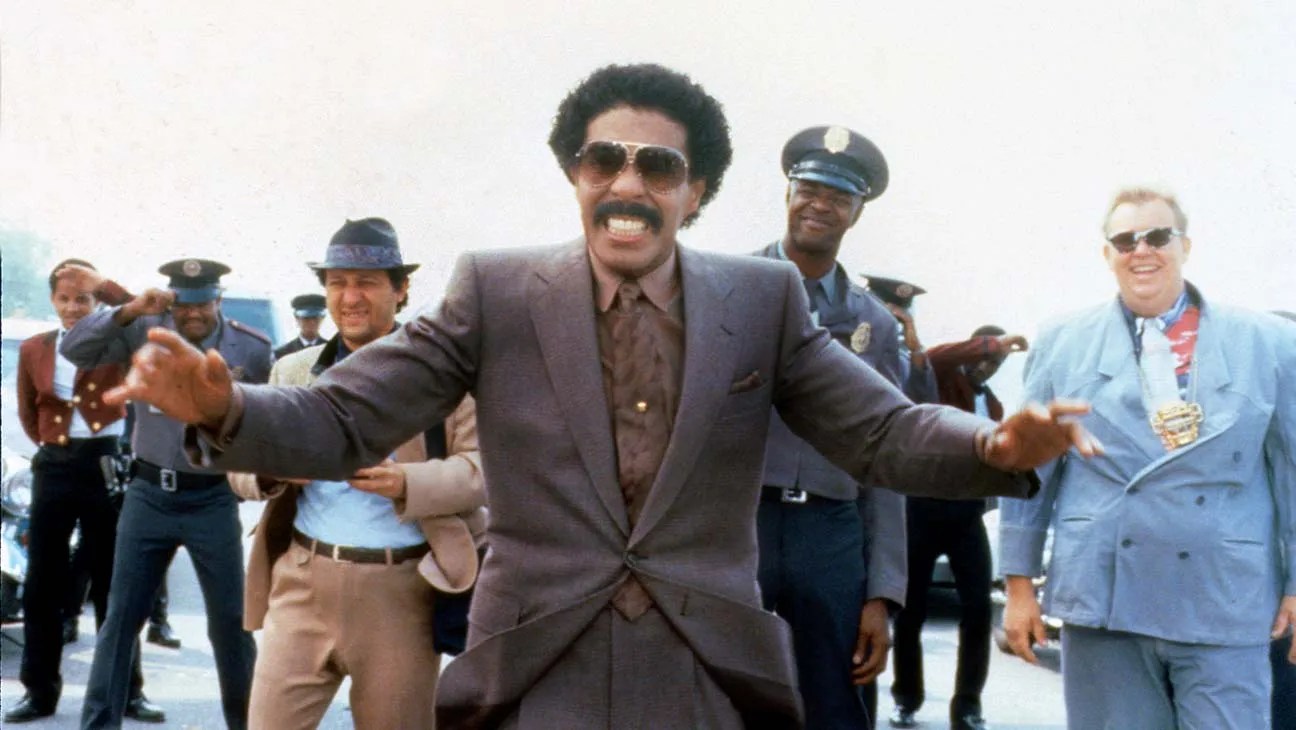
The 1985 film Brewster’s Millions, starring Richard Pryor as Montgomery “Monty” Brewster, tells the story of a man who must spend $30 million in 30 days without accumulating assets or informing anyone of his goal in order to inherit $300 million. Adjusted for inflation, Brewster’s $30 million would be approximately $85 million in today’s dollars, while the $300 million inheritance would be worth over $850 million. While Monty’s spending spree involved extravagant parties, failed investments, and creative tactics to burn through cash, the film missed an opportunity to showcase meaningful economic empowerment strategies. By directing his wealth toward African American businesses, Monty could have positively impacted communities while still meeting the conditions of the challenge. This article outlines how Brewster could have spent his fortune effectively within the African American business ecosystem.

  1. Investing in Education, Arts, and Wellness for African American Communities ($1.5 million or $4.25 million in today’s dollars)

Monty Brewster could have channeled a portion of his funds toward HBCUs, African American arts organizations, and health initiatives. These institutions play a vital role in developing African American leadership, entrepreneurship, and cultural advancement. Brewster could have funded scholarships, financed infrastructure improvements, or supported specialized academic programs such as business incubation centers. Additionally, Brewster could have become a major patron of African American artists, musicians, and cultural organizations. Funding live performances, commissioning murals and sculptures, or sponsoring large-scale cultural events would have allowed him to inject cash into the creative sector while meeting the requirement to spend without accumulating lasting assets.

Health disparities have historically affected African American communities. Brewster could have supported Black-owned health clinics, funded wellness programs, or launched temporary mental health outreach initiatives. Sponsoring community health fairs and free medical check-up events could have aligned with his spending goals. To adhere to his challenge’s constraints, Brewster is limited charitable giving to $1.5 million. Within that budget, he could have made substantial contributions to civil rights organizations such as the National Center for Black Family Life, Black Teacher Project, and African American Credit Union Coalition. Funding advocacy campaigns, legal defense funds, and educational outreach programs would have ensured his spending aligned with causes that strengthen social equity. By underwriting public awareness campaigns or supporting temporary voter registration drives, he could have spent large sums while advancing civil rights initiatives.

  1. Supporting African American Media Companies ($4 million or $11.3 million in today’s dollars)

The media landscape has historically marginalized African American voices. Brewster could have spend money in Black-owned newspapers, radio stations, and production companies. By purchasing advertising space, sponsoring TV segments, or funding film productions that amplify African American stories, he could have spent millions while strengthening the narrative control of the community. This would have been especially true when he ran for mayor of New York City with his “None Of The Above” campaign which allows him to burn through millions.

  1. Empowering African American-Owned Interior Designers ($3 million or $8.5 million in today’s dollars)

Instead of investing in real estate projects with limited long-term impact, Brewster could have hired African American-owned interior design firms to revamp commercial spaces, restaurants, and event venues. Funding redesigns for offices, galleries, or retail spaces would have allowed him to spend significant amounts quickly while showcasing Black creative talent. Partnering with these designers to create temporary installations, pop-up exhibits, or themed public events would further align with Brewster’s spending objectives.

  1. Supporting Black-Owned Restaurants and Hospitality ($5 million or $14.2 million in today’s dollars)

Instead of squandering money on excessive parties with little social value, Brewster could have organized lavish gatherings catered exclusively by Black-owned restaurants, breweries, and event-planning companies. Hosting galas, networking events, or concerts powered by African American businesses would have rapidly spent millions while empowering these enterprises. Additionally, Brewster could have pre-paid months of reservations at Black-owned hotels for conferences, weddings, and events that celebrate Black culture.

  1. Promoting and Empowering African American Entrepreneurs in Technology ($4 million or $11.3 million in today’s dollars)

During the 1980s, technology was emerging as a transformative industry. Brewster could have directed funds to African American inventors, tech startups, and computer training programs. Sponsoring computer literacy drives in underserved neighborhoods, purchasing computers for community centers, or funding coding boot camps would have injected significant capital into this sector without violating the “no assets” condition. Additionally, Brewster could have launched a series of pitch competitions or startup grant programs to fund Black entrepreneurs. By awarding no-strings-attached grants to aspiring business owners, Brewster could have circulated his funds directly into the hands of innovative minds in the community. Creating a “Brewster’s Millionaire Fund” for new ventures would have established a lasting narrative of empowerment.

  1. Financing Black-Owned Transportation Companies ($4 million or $11.3 million in today’s dollars)

Brewster’s challenge required rapid cash outflows. He could have achieved this by chartering fleets of Black-owned transportation services, including buses, limousines, and taxis. Organizing free ride programs, senior citizen transport services, or back-to-school bus initiatives would have ensured meaningful community impact while fulfilling the spending requirements.

  1. Sponsoring Sports Teams in the African American Community ($4.5 million or $12.7 million in today’s dollars)

In the film, Brewster splurged on funding a struggling baseball team. He could have expanded this vision by sponsoring youth sports leagues, purchasing uniforms from Black-owned apparel companies, and financing travel expenses for underserved teams. By supporting athletics in underserved communities, he would have combined financial impact with social good.

  1. Creating Pop-Up Markets and Retail Experiences ($4 million or $11.3 million in today’s dollars)

To rapidly circulate cash, Brewster could have sponsored temporary markets that featured Black-owned businesses. By covering booth fees, marketing costs, and other overhead expenses, he could have injected cash into dozens of retail entrepreneurs. Such events would celebrate local artisans, designers, and vendors while creating a meaningful economic impact.

Monty Brewster’s dilemma of spending $30 million in 30 days presented a unique opportunity to create lasting change. By investing heavily in African American businesses, nonprofits, and community initiatives, Brewster could have met his goal while strengthening economic power in marginalized communities. Such a storyline would not only have showcased Brewster’s ingenuity but also highlighted the immense potential of targeted investment to uplift communities. If Hollywood ever revisits Brewster’s Millions, perhaps they will reimagine his spending spree as a transformative journey of economic empowerment.

HBCU Money’s 2024 Top 10 HBCU Endowments

Note: These data are based on colleges, universities, affiliated foundations, and related nonprofit organizations that volunteered to participate in NACUBO’s endowment study series.” – NACUBO

Howard University has finally done it. They have become the first HBCU to cross the $1 billion endowment mark. An indelible mark that is now the benchmark for potential to survive the coming admissions cliff that U.S. colleges and universities will face as demographics have acutely shifted from the number of students going to college and the number of colleges who will be able to withstand a downturn. HBCUs (like many smaller colleges and universities) are disproportionately reliant on tuition revenues and government funding to keep the doors open and lights on. The factors are a myriad from low African American wealth to limited investment models for their endowments. The latter being something of a chicken and egg situation whereby when you have less you are more conservative with your investment strategy, but this also leads to minimal returns. Without heavy alumni giving to ensure consistent endowment capital it is hard for HBCUs to take more investment risk.

The PWI-HBCU NACUBO Top 10 Endowment Gap for 2024 stands at $129.2 to $1, which is an increase from 2023’s $128.7 to $1.*

HIGHLIGHTS:

  • Top 10 HBCU Endowment Total – $2.6 billion*
  • Top 10 PWI Endowment Total – $336.0 billion
  • Number of PWIs Above $2 billion – 78
  • Number of PWIs Above $1 billion – 148
  • Number of HBCUs Above $1 billion – 1
  • Number of HBCUs Above $100 million – 8
  • 669 colleges, universities, and education-related foundations completed NACUBO’s FY24 survey and those institutions hold $884.3 billion of endowment assets with an average endowment of $1.3 billion and median endowment of $244.4 million.
  • HBCUs comprised 1.5 percent of NACUBO’s reporting institutions and 0.3 percent of the reporting endowment assets.
  • PWI endowments (30) with endowments over $5 billion hold 58.5 percent of the $884.3 billion in endowment assets.

All values are in millions ($000)**

Previous year in parentheses for Endowment Value Per Full-Time Student

1. Howard University – $1,032,496 (11.4%)

Endowment Value Per Full-Time Student – $76,960 ($81,341)

2. Spelman College – $506,709 (6.7%)

Endowment Value Per Full-Time Student – $199,727 ($197,713)

3. Morehouse College – $263,080 (3.5%)

Endowment Value Per Full-Time Student – $104,521 (N/A)

4. North Carolina A&T State University  – $201,942 (22.6%)

Endowment Value Per Full-Time Student – $15,519 (N/A)

5.  Meharry Medical College – $193,938 (8.2%)

Endowment Value Per Full-Time Student – $178,909 ($165,394)

6. Florida A&M University – $124,141 (9.5%)

Endowment Value Per Full-Time Student – $13,393 ($6,044)

7. Virginia State University – $96,544 (-4.4%)

Endowment Value Per Full-Time Student – $19,555 ($22,903)

8. Norfolk State University – $96,403 (15.4%)

Endowment Value Per Full-Time Student – $15,947 ($16,149)

9. Fayetteville State University – $34,915 (11.6%)

Endowment Value Per Full-Time Student – $5,931 ($5,479)

10. American Baptist College – $1,237 (22.8%)

Endowment Value Per Full-Time Student – $29,463 (N/A)

*Due to Hampton University, Morgan State University, Tuskegee University, and Kentucky State University not participating this year significantly altered the Top 10 HBCUs endowment combined total. We estimate with these HBCUs included the Top 10 HBCU endowments probably are near $2.9 billion.

**The change in market value does NOT represent the rate of return for the institution’s investments. Rather, the change in the market value of an endowment from FY23 to FY24 reflects the net impact of:
1) withdrawals to fund institutional operations and capital expenses;
2) the payment of endowment management and investment fees;
3) additions from donor gifts and other contributions; and
4) investment gains or losses.

SOURCE: NACUBO

Take a look at how an endowment works. Not only scholarships to reduce the student debt burden but research, recruiting talented faculty & students, faculty salaries, and a host of other things can be paid for through a strong endowment. It ultimately is the lifeblood of a college or university to ensure its success generation after generation.

Appeased: Mississippi’s Flagship HBCU Gets An “Agreement” Instead Of A Law School

“Freedom has never been free.” – Medgar Evers

It never ceases to amaze how easily appeased African America can be. We need 40 acres and instead allow ourselves to be given a pot with some dirt in it and are expected to act grateful. Ironically, often we do. “They gave us something” could be a whole mantra that we hear far too often when we need to show our communities that the mantra is “We fight not capitulate”. Time and time again PWIs show that they will put alligator and piranha filled moats around things like law schools, MBAs, and research to ensure that HBCUs never encroach on that institutional power. We get “agreements” that allow PWIs to pick and choose the best and brightest of our undergraduates for their graduate schools. The next Thurgood Marshall cannot come from one of our own HBCU law schools like the late justice but inevitably from a PWI law school where the molding of law and its purpose will be shaped how they see fit. Usually still to their benefit. The flagship HBCU in Mississippi cannot have a law school, it has an agreement. Imagine Ole Miss getting an “agreement” with something in Jackson State’s control. You cannot imagine it because it would never happen.

Historical and Structural Underrepresentation

  • Limited Legal Education Options for African Americans: Historically, African Americans were denied access to legal education at predominantly white institutions (PWIs) and were often left with no choice but to attend the few law schools established at Historically Black Colleges and Universities (HBCUs). Today, there are only six HBCU law schools:
    • Howard University School of Law
    • Southern University Law Center
    • Texas Southern University Thurgood Marshall School of Law
    • Florida A&M University College of Law
    • North Carolina Central University School of Law
    • University of the District of Columbia David A. Clarke School of Law
  • None in Mississippi: Despite Mississippi’s large African American population (nearly 40% of the state), there are no HBCU-affiliated law schools in the state. This lack forces African American students to compete for limited seats at existing law schools, often in environments that may not prioritize their unique needs or cultural experiences.

Historical Context of Discrimination in Mississippi Higher Education

  • Systemic Exclusion: For much of the 20th century, African Americans were excluded from attending predominantly white institutions (PWIs) in Mississippi. Segregation laws and practices relegated Black students to underfunded HBCUs, such as Jackson State University.
  • Funding Disparities: HBCUs in Mississippi have historically received significantly less funding than PWIs. This underfunding has limited their ability to expand academic offerings and infrastructure, including professional programs like law schools.

Ongoing Disparities

  • Resource Inequities: Mississippi’s higher education system continues to show disparities in funding and resources between HBCUs and PWIs. These inequities impact the quality of education and opportunities available to students at HBCUs.
  • Underrepresentation in Legal Education: African Americans remain underrepresented in Mississippi’s existing law schools, including the University of Mississippi School of Law and Mississippi College School of Law. These institutions do not adequately address the unique challenges faced by Black students and communities.
  • Pipeline Challenges: The lack of professional schools at HBCUs in Mississippi limits pathways for Black students to enter high-impact fields like law, perpetuating disparities in representation and leadership.

Historical Challenges at the University of Mississippi

  • Resistance to Integration: The admission of James Meredith in 1962 as the first African American student at Ole Miss was met with violent riots, requiring federal intervention. This historical event illustrates the extreme resistance to racial integration and set the tone for ongoing challenges faced by African American students.
  • Legacy of Segregation: The University of Mississippi, like many Southern institutions, has a deeply entrenched history of segregation that continues to influence campus culture and attitudes.

Ongoing Issues Faced by African American Students

  • Hostile Campus Environment: Many African American students at Ole Miss report feeling unwelcome or isolated due to a predominantly white student body and lingering racial tensions. Incidents of racism, such as vandalism of monuments and racist social media posts, contribute to a climate of hostility.
  • Symbolic Racism: The continued presence of Confederate symbols, including statues and the former use of Confederate imagery in campus traditions, reinforces a sense of exclusion for Black students. Efforts to remove or contextualize these symbols have been slow and controversial.
  • Underrepresentation: African American students are underrepresented at Ole Miss compared to the state’s demographics, limiting opportunities for meaningful diversity and inclusion.
  • Incidents of Racial Harassment: High-profile incidents, such as the noose placed around the statue of James Meredith in 2014, serve as stark reminders of ongoing racial animosity. These events create psychological distress and reinforce systemic barriers for Black students.

The African American brain drain into predominantly white institutions (PWIs) poses a significant challenge to the mission of historically Black colleges and universities (HBCUs) like Jackson State University (JSU). Establishing a law school at JSU would address this issue by offering a culturally affirming and accessible path for African American students to pursue legal education. This initiative would help retain talent, strengthen HBCU legacies, and diversify the legal profession.

Understanding African American Brain Drain

  • What is Brain Drain? Brain drain occurs when highly capable and motivated individuals, particularly African Americans, leave HBCUs to pursue educational and career opportunities at PWIs. This is often due to the lack of specialized or professional programs, such as law schools, at HBCUs.
  • Mississippi’s Context: Mississippi is home to several HBCUs, including Jackson State University, but none of these institutions offer legal education. As a result, aspiring African American lawyers in Mississippi are compelled to attend PWIs such as the University of Mississippi School of Law or Mississippi College School of Law, or leave the state entirely.

Impacts of Brain Drain

  • Cultural Isolation: African American students at PWIs often report feelings of isolation and marginalization due to a lack of diversity in faculty, curriculum, and campus culture. This can hinder their academic and professional development.
  • Loss of HBCU Legacy: When African American students leave HBCUs for PWIs, they miss the opportunity to benefit from the culturally affirming and supportive environments HBCUs provide. HBCUs foster a sense of community and empowerment that is particularly important in professional fields like law.
  • Weakened HBCU Influence: Brain drain diminishes the influence of HBCUs by limiting their ability to produce leaders in fields like law, where African Americans are already underrepresented. This affects the ability of HBCUs to contribute to societal change through their alumni.

The Role of PWIs in African American Brain Drain

  • Limited Inclusion: PWIs often fail to adequately support African American students. Issues such as implicit bias, underrepresentation among faculty, and a lack of focus on issues relevant to African American communities make these institutions less ideal for Black students.
  • Recruitment of Top Talent: Many PWIs actively recruit top African American talent, which they recognize as essential for promoting diversity. However, these efforts can inadvertently draw students away from HBCUs that would better align with their cultural and educational needs.

Mississippi became the last state to remove the Confederate battle flag from its state flag in 2020. The birthplace of Medgar Evers who was murdered in his driveway. It is the home of the Freedom Summer that saw three voting rights activists murdered that brought nationwide attention and shun a spotlight on the atrocities. The potential for the impact of a law school at Jackson State University and the creation of the seventh HBCU law school would be profound. African Americans constitute almost 15 percent of the US population and 40 percent of the Mississippi population, but less than 9 percent of Mississippi’s active lawyers are African American. An “agreement” with Ole Miss is highly unlikely to change that paradigm. This is a chance for an African American institution to not take the bull by the horns, but be the bull.

Amplifying the Civil Rights Legacy

  • Mississippi’s Legacy of Activism: The state has been at the center of the civil rights movement, with many battles fought for racial equality and justice. A JSU law school could build on this legacy, preparing lawyers to continue the fight against discrimination and inequality.
  • Empowering Marginalized Communities: By training lawyers from diverse backgrounds, the law school could directly address issues like voting rights, criminal justice reform, and educational equity—critical areas in a state still grappling with the effects of systemic racism.

The Role of JSU in Filling the Gap

  • Addressing Local Needs: A law school at JSU would directly address the absence of African American legal institutions in Mississippi, offering a local and affordable option for students who wish to study law in a supportive environment.
  • Culturally Relevant Curriculum: As an HBCU, JSU could design a curriculum that emphasizes the legal challenges faced by African American communities, such as systemic racism, criminal justice reform, and civil rights advocacy.
  • Building a Pipeline of Black Lawyers: By increasing access to legal education for African Americans, JSU could help diversify the legal profession and prepare graduates to address the specific legal needs of marginalized communities.

How a JSU Law School Can Address Brain Drain

  • Retaining Talent in Mississippi: Establishing a law school at JSU would give African American students in Mississippi the option to pursue legal education at an HBCU without leaving their state or community.
  • Culturally Relevant Education: A JSU law school could tailor its programs to address the legal challenges most relevant to African American communities, such as civil rights, voting rights, and criminal justice reform.
  • Strengthening HBCU Legacies: By offering a law program, JSU could enhance its reputation as a premier institution for African American education and leadership, attracting top talent to remain within the HBCU ecosystem.

The Need for an Inclusive Legal Education at JSU

  • Safe and Supportive Environment: An HBCU law school at Jackson State University would provide a nurturing environment for African American students, free from the racial hostility that has been reported at Ole Miss.
  • Focus on African American Legal Issues: A law school at JSU could emphasize areas of law that disproportionately impact Black communities, such as civil rights, voting rights, criminal justice reform, and housing law.
  • Addressing the Legacy of Exclusion: By creating a pathway to legal education specifically designed to empower marginalized groups, JSU could challenge the structural inequalities that have persisted in Mississippi’s higher education system.

Broader Benefits of a JSU Law School

  • Community Impact: Graduates of a JSU law school would be more likely to practice in underserved and predominantly African American communities, addressing legal deserts in Mississippi and beyond.
  • Representation in the Legal Profession: Increasing the number of African American lawyers trained at an HBCU would help diversify the legal profession and create more advocates for systemic change.
  • Economic and Cultural Reinvestment: Retaining African American students at JSU would help prevent the economic and cultural losses associated with brain drain, fostering stronger HBCU communities and alumni networks.

Mississippi’s lack of African American legal institutions highlights the urgency of a law school at JSU. Such a school would address historical exclusion, provide a platform for empowerment and justice, and meet the unique legal needs of African American communities. JSU’s law school could play a pivotal role in advancing social justice and transforming the legal profession.

The challenges African American students face at PWIs like the University of Mississippi further emphasize the need for supportive alternatives. A law school at Jackson State University would create an environment where Black legal scholars can thrive, challenging systemic inequities in higher education. By fostering a new generation of African American lawyers, JSU could significantly advance African America’s institutional empowerment, justice, and opportunity across Mississippi and beyond.

It is hard to imagine with the current social and political climate that has seen the Southern “attitude” towards African America emboldened that a partnership or agreement with the flagship institution of that attitude being anything more than cover for continued behavior and a means of a subversive quelling of African American institutional empowerment and independence. The Medgar Evers Law School at Jackson State University located in the capital of the state that is a symbol of power being named after Medgar Evers and a substance of power being a law school in the heart of Dixie. A heart that African America needs to be break.

What Is To Become Of African American Baby Boomers’ $188 Billion In Wealth?

“Everything that I’ve gone through informs me and my opinions in a way, I guess because I am a child of segregation. I lived through it. I lived in it. I was of it.” – Samuel L. Jackson

One thing most financially literate people realize is that it is not how much you make, but it is how much you keep. Those who are of a wealth building mindset realize it is not how much you keep, but how much of your capital is actually working to make you wealthier without your labor being attached to it. African American individuals, households, and institutions struggle in both cases, but mightily in the latter. Most African American wealth, as highlighted by the amount of time the African American dollar remains in our community (less than 6 hours), does little to no work for the wealth building of those three entities. A major reason for this is that African American individuals, households, and yes, even institutions put little to none of their money in African American institutions – ironically.

Economic Disparities

“According to a report by the Federal Reserve, the median net worth of African American households headed by someone aged 55-64 (who would generally be considered Baby Boomers) was around $39,000 in 2019. This is substantially lower than the median net worth of European American households in the same age group, which was around $184,000 in 2019. It’s important to note that there is significant variation within both groups, and wealth is influenced by a range of factors including income, education, and access to resources.”

Insider Intelligence gives a generational demographic breakdown reporting that, “Baby boomers were the largest living adult population until 2019. According to the US Census Bureau, US boomers have remained the second-largest population group in 2022, comprised of 69.6 million people ages 58 to 76.” And Statista reports that there are 43.26 million Boomer households meaning that approximately 4.8 million of those are African American. This then puts African American Baby Boomer wealth at approximately $187.2 billion – but what of it?

Each eldest generation will push wealth forward one way or another. Where it flows though can be largely up to the person. Some will push it to the next generation of family and friends, charities and organizations, and there are a host of other options of where money can find itself as one begins to consider their legacy both in the here and now or from the beyond. One things is crystal clear though from a Brookings Institute study, African Americans are falling behind with every passing generation, “30% of European American households received an inheritance in 2019 at an average level of $195,500 compared to 10% of African American households at an average level of $100,000.” African Americans both receive 50 percent less than their European American counterpart and European Americans are three times more likely to get an inheritance than their African American counterpart – but again what of it?

While the wealth of even African American Baby Boomers is not that of their counterparts, it should have the opportunity to make far more considerable impact than it probably actually will. As African American baby boomers age, a significant transfer of wealth is expected to occur. This presents an opportunity for younger generations to invest in education, home ownership, and entrepreneurial ventures. However, research indicates that many African American families face systemic barriers, such as lower access to financial resources and education, which could impact how this wealth is utilized and preserved.

Despite the considerable wealth held by baby boomers, economic disparities persist within the African American community and its institutions. Issues such as income inequality, lack of business ownership, access to African American owned financial institutions, limited access to financial literacy resources, and a disconnected institutional ecosystem can hinder the effective management and growth of inherited wealth. Addressing these disparities will be crucial in ensuring that future generations can leverage this wealth for long-term benefits.

Philanthropy and Community Investment

Many African American baby boomers are inclined to support causes that uplift their communities. This philanthropic inclination could lead to increased investment in African American nonprofits, education initiatives, and other community organizations. By directing funds towards institutional development, these donors can help address systemic issues and create lasting change.

Financial Planning and Literacy

The management of this wealth will largely depend on the financial literacy of both the current baby boomer generation and their heirs. Increasing access to financial education, resources, and African American owned financial institutions is essential to ensure that wealth is not only preserved but also strategically invested. Programs aimed at enhancing financial connectivity between African American households and African American financial institutions within the African American community can play a significant role in maximizing the impact of this wealth.

The fate of the $188 billion in wealth held by African American baby boomers is not just about the transfer of assets; it’s about how those assets can be utilized to build a stronger future for the community. By focusing on education, philanthropy, and addressing systemic barriers, there is potential for this wealth to make a profound impact on the lives of future generations. Ensuring that this wealth is effectively managed and directed towards meaningful causes will be crucial in shaping a more equitable and prosperous future for the African American community. In the end, the only real question is how much of the $188 billion will end up in African American institutions. Whether those organizations be African American social, economic, or political institutions is up to the household, but this is the most acute potential for institutional transformation that African America will have seen since 1865.

Disclosure: This article was assisted by NOVA AI and ChatGPT.