Author Archives: hbcumoney

African American To Africa: Howard University’s Volleyball Team Reminds Us Why Our Diasporic Relationship Is Critical

“I am not African because I was born in Africa but because Africa was born in me.” – Kwame Nkrumah

Sometimes even HBCUs forget that they are part of a global building of the African Diaspora’s building of social, economic, and political interests. The building of that interests strengthened the more African Diaspora institutions connect our ecosystem together and circulate our SEP capital among each other. Too often we get hung up on America desires and forget African responsibilities. As is often the case, the women of the tribe bring give us a gentle reminder as to where our focus needs to be.

Enter, Howard University’s Volleyball team and their voyage across Africa. If you have not heard the story by now, the team had an opportunity to go abroad and voted on where they should go. The team it was said overwhelmingly voted to head to the Motherland – Botswana and Zimbabwe, specifically. It would take the team and supporters raising $60,000 to fund the trip for 16 players and 4 coaches. For many PWIs, this would be simply a matter of picking up the phone and calling any handful of boosters to fund the trip, but at HBCUs we know things work a bit different. However, we also know when we put our mind to something, there is often very little that can stop us and the HBCU community was in full support of such a journey. Needless to say, many HBCU shareholders felt invested in making such a trip happen for a number of reasons.

While there they would participate in tournaments against teams from each of the aforementioned countries. It was an athletic immersion, cultural immersion, and as any African American can attest to their first time in Africa – a spiritual immersion. Historically Black Colleges and Universities (HBCUs) play a crucial role in the education and empowerment of African American students. Strengthening relationships with Africa is not only beneficial for HBCUs but also fosters mutual growth, cultural exchange, and academic collaboration. Here are several key reasons why these relationships are important:

Here are seven reasons why it is vital for of HBCUs to build relationships with Africa:

1. Cultural Exchange and Understanding

Building connections with African institutions allows HBCUs to engage in cultural exchanges that enrich the educational experience for students and faculty alike. Exposure to African cultures, languages, and histories enhances the curriculum and fosters a deeper understanding of the shared heritage between African Americans and their African counterparts. This cultural immersion can lead to a greater appreciation for diversity within the African diaspora.

2. Academic Collaboration and Research Opportunities

Partnerships with African universities can facilitate collaborative research initiatives addressing global challenges, such as public health, environmental sustainability, and social justice. Joint programs and projects allow HBCU faculty and students to contribute to meaningful solutions while benefiting from shared knowledge and resources. This collaboration can enhance the academic reputation of HBCUs and provide valuable research opportunities for students.

3. Enhancing Global Competence

In an increasingly interconnected world, fostering relationships with African institutions helps HBCU students develop global competencies. Understanding the political, economic, and social dynamics of African nations equips students with the skills needed to navigate and contribute to a global society. This experience is invaluable in preparing them for careers in international relations, global business, and public policy.

4. Economic Development and Entrepreneurship

Collaborative efforts between HBCUs and African institutions can promote entrepreneurship and economic development in both regions. Initiatives such as exchange programs, business incubators, and investment partnerships can create pathways for HBCU graduates to engage with African markets. This can stimulate job creation and economic growth, benefiting both communities.

5. Strengthening the African Diaspora

HBCUs can play a pivotal role in strengthening the ties within the African diaspora. By building relationships with Africa, they can contribute to a more unified understanding of shared struggles and successes. This connection fosters solidarity among people of African descent, promoting collective action on issues such as social justice, education, and economic empowerment.

6. Creating Opportunities for Students

Establishing partnerships with African universities opens doors for HBCU students to participate in study abroad programs, internships, and service learning opportunities. These experiences not only enhance their education but also allow them to build networks and gain firsthand insights into different cultural and social contexts.

7. Promoting Research on African Issues

HBCUs can leverage their unique perspectives to conduct research that addresses challenges faced by African nations. By focusing on topics such as health disparities, education, and development, HBCUs can contribute valuable insights and innovative solutions that benefit both African communities and the global academic community.

The relationships between HBCUs and Africa are crucial for promoting cultural exchange, academic collaboration, and economic development. By fostering these connections, HBCUs can enhance their educational offerings, prepare students for a globalized world, and strengthen the ties within the African diaspora. Ultimately, these relationships can lead to mutual growth and a deeper understanding of the rich tapestry of African and African American histories and cultures. By nurturing this connection, African Americans can strengthen their identities, honor their histories, and collaborate with others in the diaspora to address shared challenges. This relationship ultimately enriches the African American experience and contributes to a more unified and empowered global community of people of African descent.

Disclosure: This article was assisted by ChatGPT. 


African America’s January 2025 Jobs Report – 6.2%

OVERALL UNEMPLOYMENT: 4.0%

AFRICAN AMERICA: 6.2%

LATINO AMERICA: 4.8%

EUROPEAN AMERICA: 3.5%

ASIAN AMERICA: 3.7%

Analysis: European Americans unemployment rate pushes lower to 3.5 percent, its lowest rate in the past five months for the second month in a row. Asian Americans increased 20 basis points and Latino Americans decreased 30 basis points from December, respectively. African Americans unemployment rate increased 10 basis points from December. This is the second highest rate in the past five months.

AFRICAN AMERICAN UNEMPLOYMENT RATE BY GENDER & AGE

AFRICAN AMERICAN MEN: 6.9%

AFRICAN AMERICAN WOMEN: 5.4% 

AFRICAN AMERICAN TEENAGERS: 9.5%

AFRICAN AMERICAN PARTICIPATION BY GENDER & AGE

AFRICAN AMERICAN MEN: 69.0%

AFRICAN AMERICAN WOMEN: 62.5%

AFRICAN AMERICAN TEENAGERS: 25.3%

Analysis: African American Men saw an increase in their unemployment rate by 130 basis points and African American Women remain unchanged in January, respectively. African American Men increased their participation rate in January by 80 basis points bringing a halt to a four month decline. African American Women increased their participation rate in January by 10 basis points. African American Teenagers unemployment rate decreased by an unprecedented 1,070 basis points. African American Teenagers saw their participation rate decrease by 420 basis points in January, their lowest participation rate in the past five months.

African American Men-Women Job Gap: African American Women currently have 806,000 more jobs than African American Men in January. This is an increase from 757,000 in December.

CONCLUSION: The overall economy added 143,000 jobs in January while African America added 234,000 jobs. From Yahoo Finance, “Recent data has shown the labor market slowing but not rapidly deteriorating, as layoffs remain low. Economists have largely argued the recent string of labor market data fits the “broadly stable” labor market narrative Fed Chair Jerome Powell described in his most recent press conference on Jan. 29. “It’s a low-hiring environment,” Powell said. “So if you have a job, it’s all good. But if you have to find a job, the job-finding rate, the hiring rates have come down.”

Source: Bureau of Labor Statistics

HBCU Money’s 2024 Top 10 HBCU Endowments

Note: These data are based on colleges, universities, affiliated foundations, and related nonprofit organizations that volunteered to participate in NACUBO’s endowment study series.” – NACUBO

Howard University has finally done it. They have become the first HBCU to cross the $1 billion endowment mark. An indelible mark that is now the benchmark for potential to survive the coming admissions cliff that U.S. colleges and universities will face as demographics have acutely shifted from the number of students going to college and the number of colleges who will be able to withstand a downturn. HBCUs (like many smaller colleges and universities) are disproportionately reliant on tuition revenues and government funding to keep the doors open and lights on. The factors are a myriad from low African American wealth to limited investment models for their endowments. The latter being something of a chicken and egg situation whereby when you have less you are more conservative with your investment strategy, but this also leads to minimal returns. Without heavy alumni giving to ensure consistent endowment capital it is hard for HBCUs to take more investment risk.

The PWI-HBCU NACUBO Top 10 Endowment Gap for 2024 stands at $129.2 to $1, which is an increase from 2023’s $128.7 to $1.*

HIGHLIGHTS:

  • Top 10 HBCU Endowment Total – $2.6 billion*
  • Top 10 PWI Endowment Total – $336.0 billion
  • Number of PWIs Above $2 billion – 78
  • Number of PWIs Above $1 billion – 148
  • Number of HBCUs Above $1 billion – 1
  • Number of HBCUs Above $100 million – 8
  • 669 colleges, universities, and education-related foundations completed NACUBO’s FY24 survey and those institutions hold $884.3 billion of endowment assets with an average endowment of $1.3 billion and median endowment of $244.4 million.
  • HBCUs comprised 1.5 percent of NACUBO’s reporting institutions and 0.3 percent of the reporting endowment assets.
  • PWI endowments (30) with endowments over $5 billion hold 58.5 percent of the $884.3 billion in endowment assets.

All values are in millions ($000)**

Previous year in parentheses for Endowment Value Per Full-Time Student

1. Howard University – $1,032,496 (11.4%)

Endowment Value Per Full-Time Student – $76,960 ($81,341)

2. Spelman College – $506,709 (6.7%)

Endowment Value Per Full-Time Student – $199,727 ($197,713)

3. Morehouse College – $263,080 (3.5%)

Endowment Value Per Full-Time Student – $104,521 (N/A)

4. North Carolina A&T State University  – $201,942 (22.6%)

Endowment Value Per Full-Time Student – $15,519 (N/A)

5.  Meharry Medical College – $193,938 (8.2%)

Endowment Value Per Full-Time Student – $178,909 ($165,394)

6. Florida A&M University – $124,141 (9.5%)

Endowment Value Per Full-Time Student – $13,393 ($6,044)

7. Virginia State University – $96,544 (-4.4%)

Endowment Value Per Full-Time Student – $19,555 ($22,903)

8. Norfolk State University – $96,403 (15.4%)

Endowment Value Per Full-Time Student – $15,947 ($16,149)

9. Fayetteville State University – $34,915 (11.6%)

Endowment Value Per Full-Time Student – $5,931 ($5,479)

10. American Baptist College – $1,237 (22.8%)

Endowment Value Per Full-Time Student – $29,463 (N/A)

*Due to Hampton University, Morgan State University, Tuskegee University, and Kentucky State University not participating this year significantly altered the Top 10 HBCUs endowment combined total. We estimate with these HBCUs included the Top 10 HBCU endowments probably are near $2.9 billion.

**The change in market value does NOT represent the rate of return for the institution’s investments. Rather, the change in the market value of an endowment from FY23 to FY24 reflects the net impact of:
1) withdrawals to fund institutional operations and capital expenses;
2) the payment of endowment management and investment fees;
3) additions from donor gifts and other contributions; and
4) investment gains or losses.

SOURCE: NACUBO

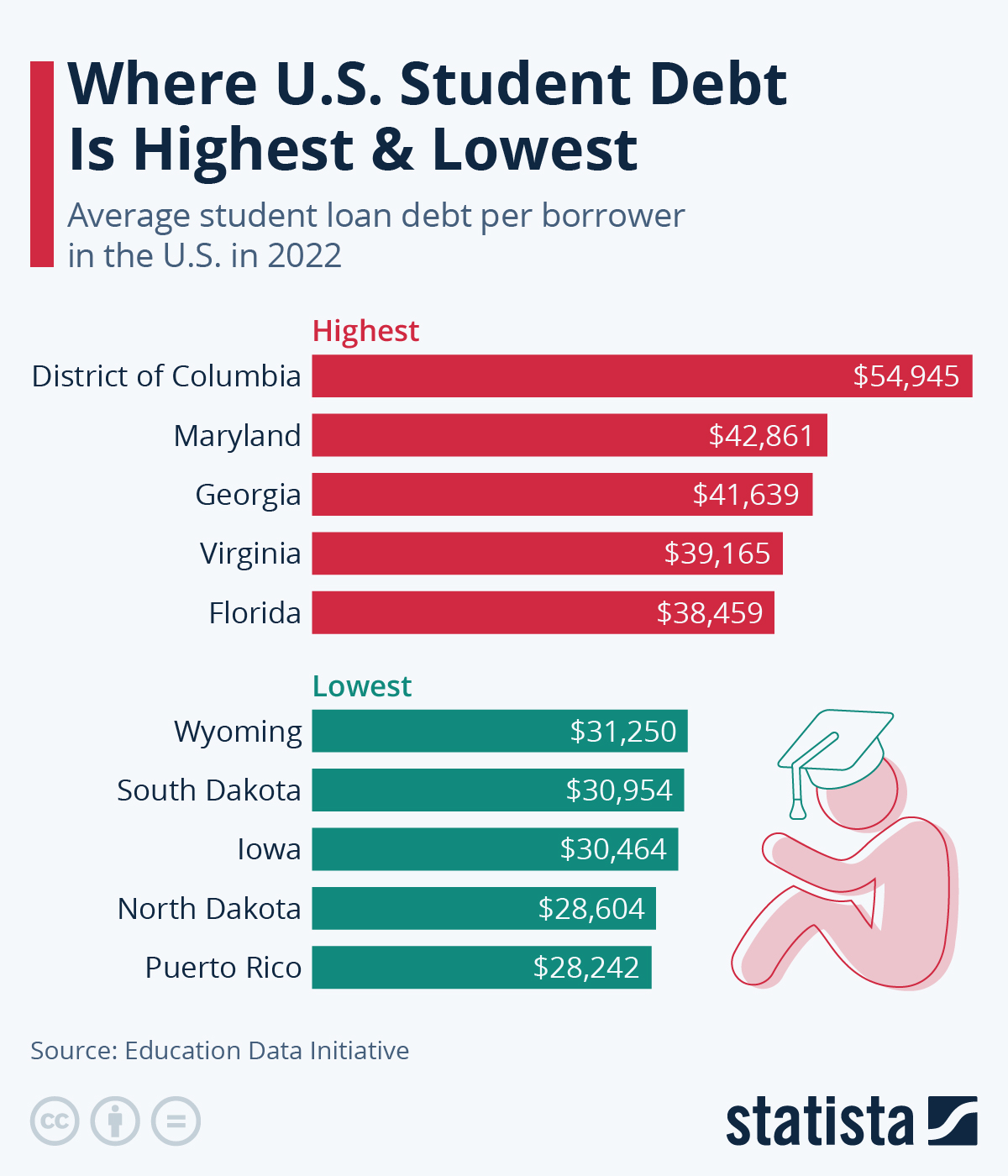
Take a look at how an endowment works. Not only scholarships to reduce the student debt burden but research, recruiting talented faculty & students, faculty salaries, and a host of other things can be paid for through a strong endowment. It ultimately is the lifeblood of a college or university to ensure its success generation after generation.

HBCU Money™ Turns 13 Years Old

By William A. Foster, IV

Life is a hard battle anyway. If we laugh and sing a little as we fight the good fight of freedom, it makes it all go easier. I will not allow my life’s light to be determined by the darkness around me. – Sojourner Truth

HBCU Money is officially a teenager. Usually the teenage years are a rough and tumultuous time and it is hard to see that being any differently for us. The current social and political climates that we are about to experience over the next four years will test our patience and fortitude. It is vital that HBCU Money stays a voice of focus, strategy, and guidance in the African American institutional space as it relates to economics, finance, and investment.

It is inherent that we continue to strengthen and build our African American institutional ecosystem. It is also vital that that ecosystem build bridges of connection with the African Diaspora institutional ecosystem. We must throw off the shackles of isolationism and island mentality that plagues us so deeply. Before we make decisions we must ask ourselves is there an African American institution that exist that serves that need or want. If it is not there, then we must discuss building it. Where is the HBCU that has an African American MBA that teaches us how to build and run businesses from our interest? Where is the HBCU that has a law school focused on African American agriculture and real estate? Where is the African American bank focused on export-import for African American businesses? Are we using our talents to enhance ourselves individually or are we using our talents to enhance our institutions that enhance the collective? These are just a few of the vital things we are missing in our financial infrastructure.

There is not much that needs to be said, but plenty that needs to be done.

Appeased: Mississippi’s Flagship HBCU Gets An “Agreement” Instead Of A Law School

“Freedom has never been free.” – Medgar Evers

It never ceases to amaze how easily appeased African America can be. We need 40 acres and instead allow ourselves to be given a pot with some dirt in it and are expected to act grateful. Ironically, often we do. “They gave us something” could be a whole mantra that we hear far too often when we need to show our communities that the mantra is “We fight not capitulate”. Time and time again PWIs show that they will put alligator and piranha filled moats around things like law schools, MBAs, and research to ensure that HBCUs never encroach on that institutional power. We get “agreements” that allow PWIs to pick and choose the best and brightest of our undergraduates for their graduate schools. The next Thurgood Marshall cannot come from one of our own HBCU law schools like the late justice but inevitably from a PWI law school where the molding of law and its purpose will be shaped how they see fit. Usually still to their benefit. The flagship HBCU in Mississippi cannot have a law school, it has an agreement. Imagine Ole Miss getting an “agreement” with something in Jackson State’s control. You cannot imagine it because it would never happen.

Historical and Structural Underrepresentation

  • Limited Legal Education Options for African Americans: Historically, African Americans were denied access to legal education at predominantly white institutions (PWIs) and were often left with no choice but to attend the few law schools established at Historically Black Colleges and Universities (HBCUs). Today, there are only six HBCU law schools:
    • Howard University School of Law
    • Southern University Law Center
    • Texas Southern University Thurgood Marshall School of Law
    • Florida A&M University College of Law
    • North Carolina Central University School of Law
    • University of the District of Columbia David A. Clarke School of Law
  • None in Mississippi: Despite Mississippi’s large African American population (nearly 40% of the state), there are no HBCU-affiliated law schools in the state. This lack forces African American students to compete for limited seats at existing law schools, often in environments that may not prioritize their unique needs or cultural experiences.

Historical Context of Discrimination in Mississippi Higher Education

  • Systemic Exclusion: For much of the 20th century, African Americans were excluded from attending predominantly white institutions (PWIs) in Mississippi. Segregation laws and practices relegated Black students to underfunded HBCUs, such as Jackson State University.
  • Funding Disparities: HBCUs in Mississippi have historically received significantly less funding than PWIs. This underfunding has limited their ability to expand academic offerings and infrastructure, including professional programs like law schools.

Ongoing Disparities

  • Resource Inequities: Mississippi’s higher education system continues to show disparities in funding and resources between HBCUs and PWIs. These inequities impact the quality of education and opportunities available to students at HBCUs.
  • Underrepresentation in Legal Education: African Americans remain underrepresented in Mississippi’s existing law schools, including the University of Mississippi School of Law and Mississippi College School of Law. These institutions do not adequately address the unique challenges faced by Black students and communities.
  • Pipeline Challenges: The lack of professional schools at HBCUs in Mississippi limits pathways for Black students to enter high-impact fields like law, perpetuating disparities in representation and leadership.

Historical Challenges at the University of Mississippi

  • Resistance to Integration: The admission of James Meredith in 1962 as the first African American student at Ole Miss was met with violent riots, requiring federal intervention. This historical event illustrates the extreme resistance to racial integration and set the tone for ongoing challenges faced by African American students.
  • Legacy of Segregation: The University of Mississippi, like many Southern institutions, has a deeply entrenched history of segregation that continues to influence campus culture and attitudes.

Ongoing Issues Faced by African American Students

  • Hostile Campus Environment: Many African American students at Ole Miss report feeling unwelcome or isolated due to a predominantly white student body and lingering racial tensions. Incidents of racism, such as vandalism of monuments and racist social media posts, contribute to a climate of hostility.
  • Symbolic Racism: The continued presence of Confederate symbols, including statues and the former use of Confederate imagery in campus traditions, reinforces a sense of exclusion for Black students. Efforts to remove or contextualize these symbols have been slow and controversial.
  • Underrepresentation: African American students are underrepresented at Ole Miss compared to the state’s demographics, limiting opportunities for meaningful diversity and inclusion.
  • Incidents of Racial Harassment: High-profile incidents, such as the noose placed around the statue of James Meredith in 2014, serve as stark reminders of ongoing racial animosity. These events create psychological distress and reinforce systemic barriers for Black students.

The African American brain drain into predominantly white institutions (PWIs) poses a significant challenge to the mission of historically Black colleges and universities (HBCUs) like Jackson State University (JSU). Establishing a law school at JSU would address this issue by offering a culturally affirming and accessible path for African American students to pursue legal education. This initiative would help retain talent, strengthen HBCU legacies, and diversify the legal profession.

Understanding African American Brain Drain

  • What is Brain Drain? Brain drain occurs when highly capable and motivated individuals, particularly African Americans, leave HBCUs to pursue educational and career opportunities at PWIs. This is often due to the lack of specialized or professional programs, such as law schools, at HBCUs.
  • Mississippi’s Context: Mississippi is home to several HBCUs, including Jackson State University, but none of these institutions offer legal education. As a result, aspiring African American lawyers in Mississippi are compelled to attend PWIs such as the University of Mississippi School of Law or Mississippi College School of Law, or leave the state entirely.

Impacts of Brain Drain

  • Cultural Isolation: African American students at PWIs often report feelings of isolation and marginalization due to a lack of diversity in faculty, curriculum, and campus culture. This can hinder their academic and professional development.
  • Loss of HBCU Legacy: When African American students leave HBCUs for PWIs, they miss the opportunity to benefit from the culturally affirming and supportive environments HBCUs provide. HBCUs foster a sense of community and empowerment that is particularly important in professional fields like law.
  • Weakened HBCU Influence: Brain drain diminishes the influence of HBCUs by limiting their ability to produce leaders in fields like law, where African Americans are already underrepresented. This affects the ability of HBCUs to contribute to societal change through their alumni.

The Role of PWIs in African American Brain Drain

  • Limited Inclusion: PWIs often fail to adequately support African American students. Issues such as implicit bias, underrepresentation among faculty, and a lack of focus on issues relevant to African American communities make these institutions less ideal for Black students.
  • Recruitment of Top Talent: Many PWIs actively recruit top African American talent, which they recognize as essential for promoting diversity. However, these efforts can inadvertently draw students away from HBCUs that would better align with their cultural and educational needs.

Mississippi became the last state to remove the Confederate battle flag from its state flag in 2020. The birthplace of Medgar Evers who was murdered in his driveway. It is the home of the Freedom Summer that saw three voting rights activists murdered that brought nationwide attention and shun a spotlight on the atrocities. The potential for the impact of a law school at Jackson State University and the creation of the seventh HBCU law school would be profound. African Americans constitute almost 15 percent of the US population and 40 percent of the Mississippi population, but less than 9 percent of Mississippi’s active lawyers are African American. An “agreement” with Ole Miss is highly unlikely to change that paradigm. This is a chance for an African American institution to not take the bull by the horns, but be the bull.

Amplifying the Civil Rights Legacy

  • Mississippi’s Legacy of Activism: The state has been at the center of the civil rights movement, with many battles fought for racial equality and justice. A JSU law school could build on this legacy, preparing lawyers to continue the fight against discrimination and inequality.
  • Empowering Marginalized Communities: By training lawyers from diverse backgrounds, the law school could directly address issues like voting rights, criminal justice reform, and educational equity—critical areas in a state still grappling with the effects of systemic racism.

The Role of JSU in Filling the Gap

  • Addressing Local Needs: A law school at JSU would directly address the absence of African American legal institutions in Mississippi, offering a local and affordable option for students who wish to study law in a supportive environment.
  • Culturally Relevant Curriculum: As an HBCU, JSU could design a curriculum that emphasizes the legal challenges faced by African American communities, such as systemic racism, criminal justice reform, and civil rights advocacy.
  • Building a Pipeline of Black Lawyers: By increasing access to legal education for African Americans, JSU could help diversify the legal profession and prepare graduates to address the specific legal needs of marginalized communities.

How a JSU Law School Can Address Brain Drain

  • Retaining Talent in Mississippi: Establishing a law school at JSU would give African American students in Mississippi the option to pursue legal education at an HBCU without leaving their state or community.
  • Culturally Relevant Education: A JSU law school could tailor its programs to address the legal challenges most relevant to African American communities, such as civil rights, voting rights, and criminal justice reform.
  • Strengthening HBCU Legacies: By offering a law program, JSU could enhance its reputation as a premier institution for African American education and leadership, attracting top talent to remain within the HBCU ecosystem.

The Need for an Inclusive Legal Education at JSU

  • Safe and Supportive Environment: An HBCU law school at Jackson State University would provide a nurturing environment for African American students, free from the racial hostility that has been reported at Ole Miss.
  • Focus on African American Legal Issues: A law school at JSU could emphasize areas of law that disproportionately impact Black communities, such as civil rights, voting rights, criminal justice reform, and housing law.
  • Addressing the Legacy of Exclusion: By creating a pathway to legal education specifically designed to empower marginalized groups, JSU could challenge the structural inequalities that have persisted in Mississippi’s higher education system.

Broader Benefits of a JSU Law School

  • Community Impact: Graduates of a JSU law school would be more likely to practice in underserved and predominantly African American communities, addressing legal deserts in Mississippi and beyond.
  • Representation in the Legal Profession: Increasing the number of African American lawyers trained at an HBCU would help diversify the legal profession and create more advocates for systemic change.
  • Economic and Cultural Reinvestment: Retaining African American students at JSU would help prevent the economic and cultural losses associated with brain drain, fostering stronger HBCU communities and alumni networks.

Mississippi’s lack of African American legal institutions highlights the urgency of a law school at JSU. Such a school would address historical exclusion, provide a platform for empowerment and justice, and meet the unique legal needs of African American communities. JSU’s law school could play a pivotal role in advancing social justice and transforming the legal profession.

The challenges African American students face at PWIs like the University of Mississippi further emphasize the need for supportive alternatives. A law school at Jackson State University would create an environment where Black legal scholars can thrive, challenging systemic inequities in higher education. By fostering a new generation of African American lawyers, JSU could significantly advance African America’s institutional empowerment, justice, and opportunity across Mississippi and beyond.

It is hard to imagine with the current social and political climate that has seen the Southern “attitude” towards African America emboldened that a partnership or agreement with the flagship institution of that attitude being anything more than cover for continued behavior and a means of a subversive quelling of African American institutional empowerment and independence. The Medgar Evers Law School at Jackson State University located in the capital of the state that is a symbol of power being named after Medgar Evers and a substance of power being a law school in the heart of Dixie. A heart that African America needs to be break.