
Tag Archives: african american teenagers

What Is To Become Of African American Baby Boomers’ $188 Billion In Wealth?

“Everything that I’ve gone through informs me and my opinions in a way, I guess because I am a child of segregation. I lived through it. I lived in it. I was of it.” – Samuel L. Jackson
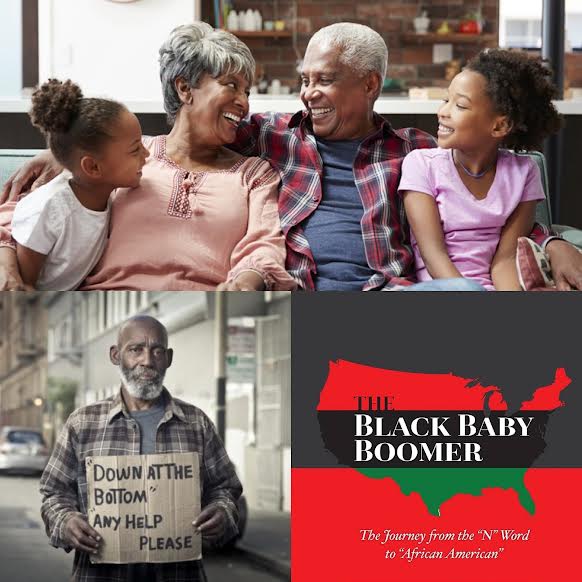
One thing most financially literate people realize is that it is not how much you make, but it is how much you keep. Those who are of a wealth building mindset realize it is not how much you keep, but how much of your capital is actually working to make you wealthier without your labor being attached to it. African American individuals, households, and institutions struggle in both cases, but mightily in the latter. Most African American wealth, as highlighted by the amount of time the African American dollar remains in our community (less than 6 hours), does little to no work for the wealth building of those three entities. A major reason for this is that African American individuals, households, and yes, even institutions put little to none of their money in African American institutions – ironically.

Economic Disparities

“According to a report by the Federal Reserve, the median net worth of African American households headed by someone aged 55-64 (who would generally be considered Baby Boomers) was around $39,000 in 2019. This is substantially lower than the median net worth of European American households in the same age group, which was around $184,000 in 2019. It’s important to note that there is significant variation within both groups, and wealth is influenced by a range of factors including income, education, and access to resources.”

Insider Intelligence gives a generational demographic breakdown reporting that, “Baby boomers were the largest living adult population until 2019. According to the US Census Bureau, US boomers have remained the second-largest population group in 2022, comprised of 69.6 million people ages 58 to 76.” And Statista reports that there are 43.26 million Boomer households meaning that approximately 4.8 million of those are African American. This then puts African American Baby Boomer wealth at approximately $187.2 billion – but what of it?

Each eldest generation will push wealth forward one way or another. Where it flows though can be largely up to the person. Some will push it to the next generation of family and friends, charities and organizations, and there are a host of other options of where money can find itself as one begins to consider their legacy both in the here and now or from the beyond. One things is crystal clear though from a Brookings Institute study, African Americans are falling behind with every passing generation, “30% of European American households received an inheritance in 2019 at an average level of $195,500 compared to 10% of African American households at an average level of $100,000.” African Americans both receive 50 percent less than their European American counterpart and European Americans are three times more likely to get an inheritance than their African American counterpart – but again what of it?

While the wealth of even African American Baby Boomers is not that of their counterparts, it should have the opportunity to make far more considerable impact than it probably actually will. As African American baby boomers age, a significant transfer of wealth is expected to occur. This presents an opportunity for younger generations to invest in education, home ownership, and entrepreneurial ventures. However, research indicates that many African American families face systemic barriers, such as lower access to financial resources and education, which could impact how this wealth is utilized and preserved.

Despite the considerable wealth held by baby boomers, economic disparities persist within the African American community and its institutions. Issues such as income inequality, lack of business ownership, access to African American owned financial institutions, limited access to financial literacy resources, and a disconnected institutional ecosystem can hinder the effective management and growth of inherited wealth. Addressing these disparities will be crucial in ensuring that future generations can leverage this wealth for long-term benefits.

Philanthropy and Community Investment

Many African American baby boomers are inclined to support causes that uplift their communities. This philanthropic inclination could lead to increased investment in African American nonprofits, education initiatives, and other community organizations. By directing funds towards institutional development, these donors can help address systemic issues and create lasting change.

Financial Planning and Literacy

The management of this wealth will largely depend on the financial literacy of both the current baby boomer generation and their heirs. Increasing access to financial education, resources, and African American owned financial institutions is essential to ensure that wealth is not only preserved but also strategically invested. Programs aimed at enhancing financial connectivity between African American households and African American financial institutions within the African American community can play a significant role in maximizing the impact of this wealth.

The fate of the $188 billion in wealth held by African American baby boomers is not just about the transfer of assets; it’s about how those assets can be utilized to build a stronger future for the community. By focusing on education, philanthropy, and addressing systemic barriers, there is potential for this wealth to make a profound impact on the lives of future generations. Ensuring that this wealth is effectively managed and directed towards meaningful causes will be crucial in shaping a more equitable and prosperous future for the African American community. In the end, the only real question is how much of the $188 billion will end up in African American institutions. Whether those organizations be African American social, economic, or political institutions is up to the household, but this is the most acute potential for institutional transformation that African America will have seen since 1865.

Disclosure: This article was assisted by NOVA AI and ChatGPT.

Love It Or Hate It: African American Education Needs More Private Schools

If you want a good education, go to private schools. If you can’t afford it, tough luck. You can go to the public school. – Paul LePage

The education landscape for African American students has long been marked by systemic challenges, including underfunded public schools and limited access to quality resources. As parents, educators, and community leaders seek solutions to these persistent issues, the establishment of more private schools specifically serving African American communities emerges as a potential avenue for improving educational outcomes. These institutions can provide tailored educational experiences that meet the unique needs of African American students, while also creating a stronger pipeline to historically Black colleges and universities (HBCUs).

If European Americans wanted to have quality public education for ALL Americans by now, we would have it. They do not and we can not afford to wait in hopes of appealing to a moral consciousness for it to happen. We must also accept that even it were to happen, the curriculum still would leave us out of the shaping and decision making process as it always has. Then we are surprised when our kids go through K-12 and know little to nothing about the contributions of African Americans and the African Diaspora upon finishing. There was slavery and then Martin Luther King, Jr. as it pertains to the “history” of African Americans in the United States in the current school systems for which we are dependent upon to educate our community and if some textbooks have their way slavery will soon be erased from the literature. In the intellectual arms race happening both here in the United States and throughout the world, African American education is sinking faster than the Titanic (it took approximately five minutes). The demarcation line has been crossed (long ago some would argue – desegregation) and it is time to take the offensive. African American private schools allow for African America to create its own de facto school systems where it controls the culture, curriculum, teacher quality, finances, and all of the subtleties that go into the education of our children from Early Childhood/Pre-K through 12th Grade.

In the United States, there are currently 30,492 private schools employing 529,574 teachers and educating almost 4.7 million students according to recent data by the NCES. On the public school side, there are 98,469 institutions employing 3.2 million teachers and educating 48.1 million students. For African Americans, they comprise 15 percent (7.22 million African American students) of the public school enrollment and 6 percent (423,000 African American students) of the private school enrollment. That is a national average of 18 teachers and 154 students for a ratio of 8 students per 1 teacher per private institution versus an average 33 teachers and 489 students for a ratio of 15 students per 1 teacher per public institution. Despite this reality, African American participation is second lowest among all groups just ahead of Hispanics, 50 percent behind European Americans, and 40 percent behind Asian Americans in private school participation. Private education for Asian Americans comprises almost 15 percent of their public/private student population, while private education only comprises 6 percent of the African American public/private population.

Addressing Systemic Inequities

Public schools in predominantly African American neighborhoods often face significant funding disparities, resulting in overcrowded classrooms, outdated materials, and limited extracurricular opportunities. Private schools can offer smaller class sizes, individualized attention, and enhanced resources such as more experienced teachers, state of the art technology and facilities just to name a few. By creating more private educational options, families can access environments that better meet their children’s academic and emotional needs.

Emphasis on Cultural Relevance

Private schools that cater to African American students can incorporate culturally relevant curricula that celebrate heritage and address the unique experiences of these students. Such an approach can foster a sense of belonging and identity, helping students thrive academically and socially. By emphasizing African American history, literature, and contributions, these schools can instill cultural pride and motivation in their students.

Diverse Educational Models

The expansion of private schools can introduce diverse educational models, including Montessori, Waldorf, and project-based learning, which may better suit the learning styles of African American students. These alternatives can provide innovative teaching methods that engage students more effectively than traditional approaches.

Strengthening the Pipeline to HBCUs

A significant benefit of increased private school options is the potential to strengthen the pipeline to HBCUs. Private schools can establish partnerships with HBCUs, offering students mentorship programs, college preparatory courses, and exposure to campus life.

  1. Early College Programs: Private schools can implement early college initiatives that allow high school students to earn college credits while still in high school. This can ease the transition to higher education and increase the likelihood of enrollment in HBCUs.
  2. College Counseling: Enhanced college counseling services can guide students through the application process, focusing on HBCUs and highlighting the unique opportunities these institutions offer, including supportive environments and rich cultural experiences.
  3. Scholarship Opportunities: Private schools can work with HBCUs to create scholarship programs specifically for their graduates, ensuring financial support for students who choose to continue their education at these institutions.

Parental Choice and Empowerment

More private schools can empower parents by offering them choices in their children’s education. Many African American families seek options beyond their local public schools, and increased access to African American private institutions can enable parents to select environments that align with their educational philosophies and cultural values.

Community Investment and Leadership

Establishing private schools within African American communities can encourage local investment and leadership. The New England 8, a set of premier boarding schools in the New England region, control over $8 billion in net assets alone. There is no reason to believe that African American boarding and private schools could not emerge to enhance African American institutional asset control through their own endowments and have an acute impact on African American towns and communities. Community members can take active roles in governance and decision-making, ensuring that schools reflect the needs and aspirations of the families they serve. This involvement can strengthen community ties and promote a sense of ownership in the educational process.

While private schools are not a panacea for the challenges facing African American education, increasing their availability can provide valuable alternatives for families seeking quality educational options. By addressing systemic inequities, offering culturally relevant curricula, and empowering communities, more private schools could play a crucial role in fostering academic success, personal growth for African American students, and ultimately provides more African American institutional ownership.

How many African American private schools are there? According to Black Minds Matter’s Black-Owned Schools Directory there are approximately 140 African American private schools.

Disclosure: This article was assisted with by ChatGPT.

African America’s December 2024 Jobs Report – 6.1%

OVERALL UNEMPLOYMENT: 4.2%

AFRICAN AMERICA: 6.1%

LATINO AMERICA: 5.1%

EUROPEAN AMERICA: 3.6%

ASIAN AMERICA: 3.5%

Analysis: European Americans unemployment rate pushes lower to 3.6 percent, its lowest rate in the past five months. Asian Americans decreased 30 basis points (lowest among all groups) and Latino Americans decreased 20 basis points from November, respectively. African Americans unemployment rate decreased 30 basis points from November. Over the past five months this is African America’s median unemployment rate.

AFRICAN AMERICAN UNEMPLOYMENT RATE BY GENDER & AGE

AFRICAN AMERICAN MEN: 5.6%

AFRICAN AMERICAN WOMEN: 5.4% 

AFRICAN AMERICAN TEENAGERS: 20.2%

AFRICAN AMERICAN PARTICIPATION BY GENDER & AGE

AFRICAN AMERICAN MEN: 68.2%

AFRICAN AMERICAN WOMEN: 62.4%

AFRICAN AMERICAN TEENAGERS: 29.5%

Analysis: African American Men saw a decrease in their unemployment rate by 40 basis points and African American Women decreased by 50 basis points. African American Men decreased their participation rate in December by 50 basis points, a fourth month decline. African American Women increased their participation rate in December by 10 basis points. African American Teenagers unemployment rate increased by 210 basis points. African American Teenagers saw their participation rate increase by 170 basis points in December, their highest participation rate in the past five months after their lowest in five months last month.

African American Men-Women Job Gap: African American Women currently have 757,000 more jobs than African American Men in December. This is an increase from 640,000 in November.

CONCLUSION: The overall economy added 256,000 jobs in December while African America added 84,000 jobs. From CNN, “The selloff comes as the economy added 256,000 jobs in December, far outpacing expectations of around 153,000 jobs. While strong job growth signals a healthy economy, it raises the question of how soon the central bank needs to cut interest rates again. Additionally, President-elect Donald Trump’s proposed tariff policies, including reports of declaring a national economic emergency to impose widespread tariffs, has spooked investors, sending bond yields surging.”

African America’s November 2024 Jobs Report – 6.4%

OVERALL UNEMPLOYMENT: 4.2%

AFRICAN AMERICA: 6.4%

LATINO AMERICA: 5.3%

EUROPEAN AMERICA: 3.8%

ASIAN AMERICA: 3.8%

Analysis: European Americans unemployment rate has been at 3.8 percent for four of the past five months. Asian Americans decreased 10 basis points and Latino Americans increased 20 basis points from October, respectively. African Americans unemployment rate increased 70 basis points from October. This is the highest African American unemployment rate in the past five months.

AFRICAN AMERICAN UNEMPLOYMENT RATE BY GENDER & AGE

AFRICAN AMERICAN MEN: 6.0%

AFRICAN AMERICAN WOMEN: 6.0% 

AFRICAN AMERICAN TEENAGERS: 18.1%

AFRICAN AMERICAN PARTICIPATION BY GENDER & AGE

AFRICAN AMERICAN MEN: 68.7%

AFRICAN AMERICAN WOMEN: 62.3%

AFRICAN AMERICAN TEENAGERS: 27.8%

Analysis: African American Men saw an increase in their unemployment rate by 30 basis points and African American Women increased by 110 basis points. African American Men decreased their participation rate in November by 60 basis points. African American Women decreased in their participation rate in November by 30 basis points. African American Teenagers unemployment rate increased by 90 basis points. African American Teenagers saw their participation rate decrease by 120 basis points in November, they are now at their second lowest participation rate in the past five months.

African American Men-Women Job Gap: African American Women currently have 640,000 more jobs than African American Men in November. This is an decrease from 693,000 in October.

CONCLUSION: The overall economy added 220,000 jobs in November while African America lost 276,000 jobs. From Yahoo! Finance, “Hurricanes and a strike by Boeing (BA) workers weighed heavily on the October report, which was revised to show there were 36,000 jobs created last month. The unemployment rate stood at 4.1% in October. Job growth for September was also revised higher on Friday, with revisions now indicating the US economy added 56,000 more jobs than initially reported over those two months.”

African America’s July 2024 Jobs Report – 6.3%

OVERALL UNEMPLOYMENT: 4.3%

AFRICAN AMERICA: 6.3%

LATINO AMERICA: 5.3%

EUROPEAN AMERICA: 3.8%

ASIAN AMERICA: 3.7%

Analysis: European Americans unemployment rate rose 30 basis points in their unemployment rate. Asian Americans decreased 40 basis points and Latino Americans similarly increased 40 basis points from July, respectively. African Americans for a second straight month had no change in their unemployment rate.

AFRICAN AMERICAN UNEMPLOYMENT RATE BY GENDER & AGE

AFRICAN AMERICAN MEN: 6.6%

AFRICAN AMERICAN WOMEN: 5.5% 

AFRICAN AMERICAN TEENAGERS: 13.1%

AFRICAN AMERICAN PARTICIPATION BY GENDER & AGE

AFRICAN AMERICAN MEN: 69.7%

AFRICAN AMERICAN WOMEN: 63.0%

AFRICAN AMERICAN TEENAGERS: 27.6%

Analysis: African American Men saw an increase in their unemployment rate by 50 basis points and African American Women decreased by 20 basis points. African American Men increased their participation rate in July by 60 basis points. African American Women decreased in their participation rate in July by 70 basis points. African American Teenagers unemployment rate decreased by a volatile 380 basis points. African American Teenagers saw their participation rate decrease by 170 basis points in July, they are now at their lowest participation rate in the past five months for the second straight month.

African American Men-Women Job Gap: African American Women currently have 747,000 more jobs than African American Men in July. This is an increase from 646,000 in June.

CONCLUSION: The overall economy added 114,000 jobs in July while African America added 169,000 jobs. In a rarity, African America added more jobs than the overall economy meaning other groups took losses. From Barrons, “Government data on Friday showed a smaller-than-expected gain of 114,000 nonfarm payrolls last month, as the unemployment rate ticked up to 4.3%—a nearly three-year high. The figure likely puts more pressure on the Federal Reserve: The central bank has kept interest rates elevated to bring down inflation, but also must manage the other side of its dual mandate, which is to pursue maximum employment.”