
Tag Archives: black america

Dr. King’s Dream is Dead: African America Must Focus On Its Own Institutional Sovereignty and Survival

“I fear I may have integrated my people into a burning house.” – Dr. Martin Luther King, Jr.

By William A. Foster, IV

For my parents and grandparents not many years ago, it was the White Citizens Council, Ku Klux Klan, Bull Connor, George Wallace, and more. Today, it is MAGA, ICE, Donald Trump, Charlie Kirk, and more. African America long held out hope that we would be in someway accepted into America’s fabric. We contributed centries of free labor capital, centuries of cultural capital, and did it all under an umbrella of racial terrorism. This hope was held without so much as an apology or reparation. The Civil Rights Movement of which much of my family was a part of from my mother’s letter to Dr. King himself that now sits in the archives of Boston College to part of our family that was forced to relocate to Jamaica by the US government, likely Hoover’s FBI. They fought for equal protections and equal opportunities, but it was and has always been a fool’s errand. A group in power will never voluntarily relinquish that power and European Americans are no exception to that rule. The problem is and has always been that only African America was fighting for reconciliation. It has been a dance between two dance partners where one is constantly stomping on the feet of the other, stealing money out of our pockets as they swirl us around, and smiling at us while putting a knife nine inches in our back and pulling it out six inches while calling it progress.

As a child, my sister and I had the privilege of attending Wee Care, an African American primary school in Prairie View, Texas in the town where our family’s illustrious HBCU, Prairie View A&M University is located and where my mother has taught students, developed faculty, and served in leadership for almost five decades. Unfortunately for us, the school only went up to the first grade at which time my mother was forced to choose her “best” option. My mother’s best option was an overwhelmingly European American Catholic school in the heart of Tomball, Texas, at the time a fairly known small Texas town – with all of the small town Texas dynamics when it came to race. Only my second and fifth grade teachers were nice to me. One was really young and the other a hippy. In sixth and seventh grade at another predominantly European American Catholic school I would experience the first time being called the N word by a fellow classmate. Even in the resulting aftermath of the fight I was blamed by the principal for being violent. Imagine that. The African American private schools were limited and given the distance from where we lived almost impossible for my mother to change us to an African American school where we would be culturally safe. That though was not the whole story. You see my classmates through elementary in particular were thought to be lifetime friends, but in my later years I would learn a valuable lesson from a graduate program I would attend in Boston at a Jewish institution. Do not confuse friendship and loyalty. I am thankful to this day for the lessons from that institution because it opened my eyes to so much in the world of navigating power dynamics. It was in those lessons that I realized that many of my so called friends from elementary were also loyal to causes that would see me and my family back on a plantation if the winds blew in the right direction and they saw no moral or ideological conflict.

From that point on, I realized that what I must lean into is the institutional development of my own people. From African America to the African Diaspora and that the connectivity of our institutions would be our strength and saving grace. But alas, many of us still yearned for acceptance into PWIs, European American corporations even though we do not think of them as such that is exactly who they are owned by when you examine their ownership, and predominantly European American neighborhoods. To access whiteness is seen as progress and success. In every place we lived, I largely remember us always being the only African American family in the neighborhood. Something I know that none of my childhood “friends” ever thought about or crossed their mind. Their families would never move into an African American community and be the only one. They saw our spaces as hostile even though we have always been overly welcoming even to our detriment, but as I said being the only African American family in a predominantly European American community was often seen as “progress” for many in our community. It was a mistake, a violent psychological mistake that still harms many of us to this day. The same way Ruby Bridges, a six-year old child, had to be escorted by Federal agents into a school because we assumed the fight for desegregation was making America true to its values. We were wrong then and we have been wrong about what Ameria’s values actually are.

Dr. King said in his famous speech, “I have a dream that one day this nation will rise up and live out the true meaning of its creed. We hold these truths to be self-evident that all men are created equal. I have a dream that one day out in the red hills of Georgia the sons of former slaves and the sons of former slaveowners will be able to sit down together at the table of brotherhood. I have a dream that one day even the state of Mississippi, a state sweltering with the heat of oppression, will be transformed into an oasis of freedom and justice. I have a dream that my four little children will one day live in a nation where they will not be judged by the color of their skin but by their character. I have a dream today. I have a dream that one day down in Alabama, with its vicious racists, with its governor having his lips dripping with the words of interposition and nullification; that one day right down in Alabama little black boys and black girls will be able to join hands with little white boys and white girls as sisters and brothers. I have a dream today.”

The dream is dead. It was a dream that required two parties to reconcile their past with only one willing to do so while suffering the brutality that has persisted since 1619. Dr. King’s speech was given on August 28, 1963 and two weeks later on September 15, 1963, the KKK bombed 16th Street Baptist Church and killed four African American girls: Addie Mae Collins (age 14, born April 18, 1949), Carol Denise McNair (age 11, born November 17, 1951), Carole Rosamond Robertson (age 14, born April 24, 1949), and Cynthia Dionne Wesley (age 14, born April 30, 1949). My mother was born in 1949. It could have easily been her. There are countless African American deaths at the hands of racial terrorism that we will never know about. The Red Summer of 1919 when the most African Americans (on record) were lynched. An entire Civil War just decades prior was waged over whether or not the United States should or should continue to be a country rooted in the slave economy. The complexity by which the North and South were guilty of profiting from – looking at you Harvard and others and have never rectified. The bloodshed, terror, and violence has been endless and it has not receded.

“I wouldn’t give it no more thought than wringing a cat’s neck! And there ain’t a court in Mississippi that’d convict me for it.” Frank Bailey’s, a character in Mississippi Burning, quote in regards to killing African Americans. This is and has been America’s attitude towards African America in its entirety. Not just individuals, but our institutions and communities as well. The underfunding of HBCUs or the burning of countless towns from Rosewood to Tulsa, our death and demise is sport and entertainment. African America has constantly believed that we could appeal to the morality of fellow Americans and “Christians”. We could work hard enough and show them our humanity. Imagine us thinking we need to prove to them we were hard working, civil, or human. It is both comical and insulting. But like many centuries ago, we have since the end of the Civil Rights Movement returns to working hard for everyone but ourselves and our institutions. That time needs to be over and we need to return to the principles and efforts that built towns like Rosewood, Greenwood, 100 HBCUs, 100 African American boarding schools, and over 500 African American owned hospitals. It is time to abandon any hope that peace can be achieved. Our sovereignty and survival is all that matters going forward. There are no more olive branches to be had. Not even from those that call themselves moderates or liberals because far too often we have seen them fall silent or pushed us to assimilate into spaces that did not empower us, did not provide institutional ownership to us, and often were spaces that were paternalistic and just as hostile to us as their conservative cousins. No, there are no more olive branches to be had because our survival depends on it.

Dr. John Henrik Clarke, a noted Pan-African historian, and someone who I consider an unofficial mentor said that any African American who is looking to devise a plan must look at our communities as nation-states and therefore must consider these fundamental pillars:

How will my people be housed?

How will my people be educated?

How will my people be fed?

How will my people be defended?

The answers to these questions can no longer be grassroots, they have to be institutional and they have to be thought about in a way that recognizes that our sovereign nation-state is adjacent to an adversary who has and will invade us. It is not a question of if they will, but when will they because they have so many times before. Unfortuantely, we cannot ask Dr. King what his thoughts about his “Dream” for America would be today because at the age of 39 he was assassinated. He was assassinated three years after his contemporary Malcolm X was assasinated and five years after Medgar Evers was assassinated in his driveway. Medgar Evers just two months before the “I Have A Dream” speech would take place. He was not blind to what America was for African America and he was certainly not blind to how our adversaries saw us or the lengths they were willing to go to in order to silence us. For the last 50 plus years since Dr. King’s passing African America has tried to make a peace that we should now see is not possible. It is time for the Dream Redefined and that dream should start and stop with actions that provide for the institutional sovereignty and survial of African America period.
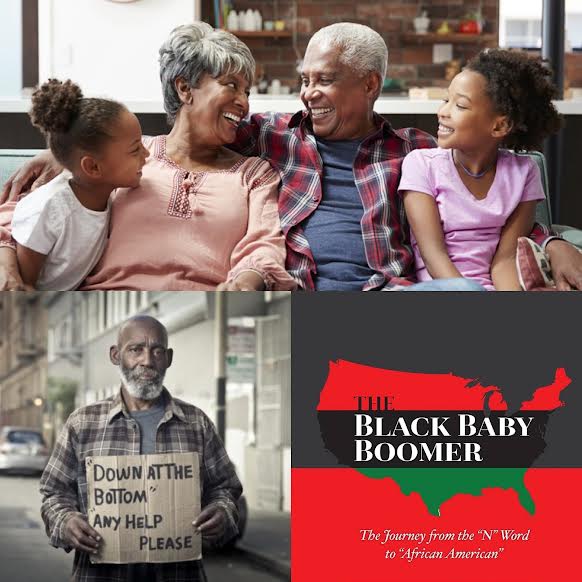
What Is To Become Of African American Baby Boomers’ $188 Billion In Wealth?

“Everything that I’ve gone through informs me and my opinions in a way, I guess because I am a child of segregation. I lived through it. I lived in it. I was of it.” – Samuel L. Jackson

One thing most financially literate people realize is that it is not how much you make, but it is how much you keep. Those who are of a wealth building mindset realize it is not how much you keep, but how much of your capital is actually working to make you wealthier without your labor being attached to it. African American individuals, households, and institutions struggle in both cases, but mightily in the latter. Most African American wealth, as highlighted by the amount of time the African American dollar remains in our community (less than 6 hours), does little to no work for the wealth building of those three entities. A major reason for this is that African American individuals, households, and yes, even institutions put little to none of their money in African American institutions – ironically.

Economic Disparities

“According to a report by the Federal Reserve, the median net worth of African American households headed by someone aged 55-64 (who would generally be considered Baby Boomers) was around $39,000 in 2019. This is substantially lower than the median net worth of European American households in the same age group, which was around $184,000 in 2019. It’s important to note that there is significant variation within both groups, and wealth is influenced by a range of factors including income, education, and access to resources.”

Insider Intelligence gives a generational demographic breakdown reporting that, “Baby boomers were the largest living adult population until 2019. According to the US Census Bureau, US boomers have remained the second-largest population group in 2022, comprised of 69.6 million people ages 58 to 76.” And Statista reports that there are 43.26 million Boomer households meaning that approximately 4.8 million of those are African American. This then puts African American Baby Boomer wealth at approximately $187.2 billion – but what of it?

Each eldest generation will push wealth forward one way or another. Where it flows though can be largely up to the person. Some will push it to the next generation of family and friends, charities and organizations, and there are a host of other options of where money can find itself as one begins to consider their legacy both in the here and now or from the beyond. One things is crystal clear though from a Brookings Institute study, African Americans are falling behind with every passing generation, “30% of European American households received an inheritance in 2019 at an average level of $195,500 compared to 10% of African American households at an average level of $100,000.” African Americans both receive 50 percent less than their European American counterpart and European Americans are three times more likely to get an inheritance than their African American counterpart – but again what of it?

While the wealth of even African American Baby Boomers is not that of their counterparts, it should have the opportunity to make far more considerable impact than it probably actually will. As African American baby boomers age, a significant transfer of wealth is expected to occur. This presents an opportunity for younger generations to invest in education, home ownership, and entrepreneurial ventures. However, research indicates that many African American families face systemic barriers, such as lower access to financial resources and education, which could impact how this wealth is utilized and preserved.

Despite the considerable wealth held by baby boomers, economic disparities persist within the African American community and its institutions. Issues such as income inequality, lack of business ownership, access to African American owned financial institutions, limited access to financial literacy resources, and a disconnected institutional ecosystem can hinder the effective management and growth of inherited wealth. Addressing these disparities will be crucial in ensuring that future generations can leverage this wealth for long-term benefits.

Philanthropy and Community Investment

Many African American baby boomers are inclined to support causes that uplift their communities. This philanthropic inclination could lead to increased investment in African American nonprofits, education initiatives, and other community organizations. By directing funds towards institutional development, these donors can help address systemic issues and create lasting change.

Financial Planning and Literacy

The management of this wealth will largely depend on the financial literacy of both the current baby boomer generation and their heirs. Increasing access to financial education, resources, and African American owned financial institutions is essential to ensure that wealth is not only preserved but also strategically invested. Programs aimed at enhancing financial connectivity between African American households and African American financial institutions within the African American community can play a significant role in maximizing the impact of this wealth.

The fate of the $188 billion in wealth held by African American baby boomers is not just about the transfer of assets; it’s about how those assets can be utilized to build a stronger future for the community. By focusing on education, philanthropy, and addressing systemic barriers, there is potential for this wealth to make a profound impact on the lives of future generations. Ensuring that this wealth is effectively managed and directed towards meaningful causes will be crucial in shaping a more equitable and prosperous future for the African American community. In the end, the only real question is how much of the $188 billion will end up in African American institutions. Whether those organizations be African American social, economic, or political institutions is up to the household, but this is the most acute potential for institutional transformation that African America will have seen since 1865.

Disclosure: This article was assisted by NOVA AI and ChatGPT.

African American Poverty By HBCU/PBI States (2020)

“With segregation, with the isolation of the injured and the robbed, comes the concentration of disadvantage. An unsegregated America might see poverty, and all its effects, spread across the country with no particular bias toward skin color. Instead, the concentration of poverty has been paired with a concentration of melanin.” – Ta-Nehisi Coates

HBCUs and PBIs are arguably African American institutions that are built to solve and protect African American interests. There is no greater crisis that currently faces African American economically than its poverty. Its impact across all statistics like health outcomes, civic participation, business creation, student loan debt, and the list goes on and on. What exactly HBCUs and PBIs are doing about African American poverty in their cities and states is complicated to address. Many would say that simply graduating the number of African Americans with degrees is more than enough. That is until you realize the depth and impact our counterparts are using their higher educational institutions to do. MIT has an incubator that allows students to create companies while matriculating. Schools like Stanford have helped create Google, Harvard is the birthplace of Facebook, University of Texas and Texas A&M formed UTIMCO to create the nation’s largest endowment, and much more. PWIs banking with banks like J.P. Morgan, Wells Fargo, and others ensuring that European American owned banks have a deposit base that allows them to conduct the business of financially protecting their community and lending for European American homeownership and small business creation. HBCUs, not so much. It is also not just the HBCUs, but HBCU foundations, HBCU alumni associations, and other organizations that are supposed to be part of the vanguard/ecosystem of African American institutional development that pulls African American individuals, families, and communities away from poverty in conjunction with other African American institutions.

Poverty is already a complex and layered system and African American poverty is that on steroids. Each state and the HBCU/PBIs institutional system in it are part of the counterattack against African American poverty. Or at least we want them to be. For the alumni and administrations who see their institutional system as part of the empowerment and pulling of African America out of the throws of poverty it requires to know the actual depths of the situation.

Among the U.S. states with the highest poverty rates for 2022, HBCU/PBI states constituted 8 out of the top 10 for overall poverty.

ALABAMA

Overall Poverty (2020): 15.5%

Overall Poverty (2015): 19.3%

African American Poverty (2020): 23.5%

African American Poverty (2015): 31.1%

Change In African American Poverty 2015-2020: Decreased 24.4%

ARKANSAS

Overall Poverty (2020): 16.2%

Overall Poverty (2015): 18.9%

African American Poverty (2020): 27.1%*

African American Poverty (2015): 33.2%*

Change In African American Poverty 2015-2020: Decreased 18.4%

CALIFORNIA

Overall Poverty (2020): 11.8%

Overall Poverty (2015): 16.5%

African American Poverty (2020): 19.0%*

African American Poverty (2015): 25.4%*

Change In African American Poverty 2015-2020: Decreased 25.2%

DELAWARE

Overall Poverty (2020): 11.3%

Overall Poverty (2015): 12.5%

African American Poverty (2020): 17.3%

African American Poverty (2015): 19.9%

Change In African American Poverty 2015-2020: Decreased 13.1%

DISTRICT OF COLUMBIA

Overall Poverty (2020): 13.5%

Overall Poverty (2015): 17.7%

African American Poverty (2020): 21.6%*

African American Poverty (2015): 25.9%*

Change In African American Poverty 2015-2020: Decreased 16.6%

FLORIDA

Overall Poverty (2020): 12.7%

Overall Poverty (2015): 16.5%

African American Poverty (2020): 19.8%*

African American Poverty (2015): 26.9%*

Change In African American Poverty 2015-2020: Decreased 26.4%

GEORGIA

Overall Poverty (2020): 13.3%

Overall Poverty (2015): 18.3%

African American Poverty (2020): 18.8%

African American Poverty (2015): 27.0%

Change In African American Poverty 2015-2020: Decreased 30.1%

ILLINOIS

Overall Poverty (2020): 11.5%

Overall Poverty (2015): 14.4%

African American Poverty (2020): 24.2%*

African American Poverty (2015): 30.6%*

Change In African American Poverty 2015-2020: Decreased 20.9%

KENTUCKY

Overall Poverty (2020): 16.3%

Overall Poverty (2015): 19.1%

African American Poverty (2020): 24.4%*

African American Poverty (2015): 32.4%

Change In African American Poverty 2015-2020: Decreased 24.7%

LOUISIANA

Overall Poverty (2020): 19.0%

Overall Poverty (2015): 19.8%

African American Poverty (2020): 29.4%*

African American Poverty (2015): 33.7%*

Change In African American Poverty 2015-2020: Decreased 12.8%

MARYLAND

Overall Poverty (2020): 9.0%

Overall Poverty (2015): 10.1%

African American Poverty (2020): 12.9%

African American Poverty (2015): 14.6%*

Change In African American Poverty 2015-2020: Decreased 11.6%

MASSACHUSETTS

Overall Poverty (2020): 9.4%

Overall Poverty (2015): 11.6%

African American Poverty (2020): 17.6%

African American Poverty (2015): 21.8%

Change In African American Poverty 2015-2020: Decreased 19.3%

MICHIGAN

Overall Poverty (2020): 13.0%

Overall Poverty (2015): 16.2%

African American Poverty (2020): 25.9%*

African American Poverty (2015): 33.0%*

Change In African American Poverty 2015-2020: Decreased 21.5%

MISSISSIPPI

Overall Poverty (2020): 19.6%

Overall Poverty (2015): 21.5%

African American Poverty (2020): 30.7%

African American Poverty (2015): 34.3%*

Change In African American Poverty 2015-2020: Decreased 10.5%

MISSOURI

Overall Poverty (2020): 12.9%

Overall Poverty (2015): 15.5%

African American Poverty (2020): 21.2%

African American Poverty (2015): 28.1%*

Change In African American Poverty 2015-2020: Decreased 24.6%

NEW YORK

Overall Poverty (2020): 13.0%

Overall Poverty (2015): 15.9%

African American Poverty (2020): 20.0%

African American Poverty (2015): 23.2%

Change In African American Poverty 2015-2020: Decreased 13.8%

NORTH CAROLINA

Overall Poverty (2020): 13.6%

Overall Poverty (2015): 17.2%

African American Poverty (2020): 21.5%

African American Poverty (2015): 26.5%

Change In African American Poverty 2015-2020: Decreased 18.9%

OHIO

Overall Poverty (2020): 13.1%

Overall Poverty (2015): 15.8%

African American Poverty (2020): 27.3%*

African American Poverty (2015): 34.7%*

Change In African American Poverty 2015-2020: Decreased 21.3%

OKLAHOMA

Overall Poverty (2020): 15.2%

Overall Poverty (2015): 16.6%

African American Poverty (2020): 28.2%*

African American Poverty (2015): 29.9%*

Change In African American Poverty 2015-2020: Decreased 5.7%

PENNSYLVANIA

Overall Poverty (2020): 12.0%

Overall Poverty (2015): 13.6%

African American Poverty (2020): 24.9%

African American Poverty (2015): 29.5%

Change In African American Poverty 2015-2020: Decreased 15.6%

SOUTH CAROLINA

Overall Poverty (2020): 13.8%

Overall Poverty (2015): 16.8%

African American Poverty (2020): 23.1%*

African American Poverty (2015): 26.0%

Change In African American Poverty 2015-2020: Decreased 11.2%

TENNESSEE

Overall Poverty (2020): 13.9%

Overall Poverty (2015): 18.3%

African American Poverty (2020): 21.5%

African American Poverty (2015): 30.9%

Change In African American Poverty 2015-2020: Decreased 30.4%

TEXAS

Overall Poverty (2020): 13.6%

Overall Poverty (2015): 17.2%

African American Poverty (2020): 18.6%

African American Poverty (2015): 23.2%

Change In African American Poverty 2015-2020: Decreased 19.8%

VIRGINIA

Overall Poverty (2020): 9.9%

Overall Poverty (2015): 11.8%

African American Poverty (2020): 16.4%*

African American Poverty (2015): 21.2%*

Change In African American Poverty 2015-2020: Decreased 22.6%

*Denotes that African Americans had the highest poverty rate among all groups during that period.

SOURCE: TalkPoverty.org; KFF.org