Tag Archives: business

Report Shows 8 Out Of 10 HBCU States Are Best States For African American Entrepreneurs

A report by Merchant Maverick, a comparison site that reviews small business software and services, highlighted the top ten states for African American entrepreneurs in 2022. The results showed that eight of those states were home to HBCUs and the other two were Nevada and New Mexico, respectively. It certainly is likely that HBCUpreneurs are driving the African American entrepreneurship in these states. Unfortunately, it maybe more indirectly than intentionally. It does suggest though that with more intentional infrastructure these states could see even more boom in entrepreneurship for HBCUpreneurs. What is that intentional infrastructure? Incubators, accelerators, mentorship, and financing programs located on the campuses of HBCUs or through their alumni associations in partnership with African American Financial Institutions (AAFIs).

Virginia: Thanks to a trio of top five metrics, Virginia ranks soundly in the No. 1 spot. Black-run businesses employ 2.18% of the Old Dominion’s workforce (2nd nationally), and there are 755 Black-owned employer businesses per 1 million people (3rd nationally). Black-owned businesses also average an annual payroll of $437K, which ranks 5th overall. The state previously fared well in some of our other data reports — Virginia finished as the 4th-best state for Black women-owned businesses, and it ranked 10th in our recent best states for women-led startup report. In an effort to grow local minority-run businesses and encourage contracts with those businesses, the Virginia state government operates a directory of all certified small businesses within the state.

Maryland: With Black residents comprising 31% of the population, Maryland has the highest percentage of Black residents of any state on the East Coast, and the 4th-highest in the nation. As such, it shouldn’t be much of a surprise that Maryland has many Black business owners. The Free State ranks 1st nationally for the most Black-owned businesses per 1 million people (1,213), and also ranks 1st in percent of the workforce employed by Black-owned businesses (3.49%). Black-owned Maryland businesses additionally average a very respectable annual payroll of $465K, which is the 4th-highest in the nation. The state government offers several tools for minority business owners, including funding, small business certifications, and assistance programs.

Texas: While no metric clearly stands out, Texas ranks highly thanks to consistency. Black entrepreneurs may find it profitable to start a business in the Lone Star State — Black business owners average an annual income of $64,240 (10th overall) and Black-run businesses in the state average an annual payroll of $337K (17th overall). All of this cash can go further in Texas because the state lacks income tax. Resources available to local Black businesses include the Texas Black Expo and the Dallas Black Chamber of Commerce, both of which are organizations that aim to assist underserved businesses.

For the full report, visit Merchant Maverick here.

The Finance & Tech Week In Review – 1/14/17

zu3yfgjbqpaifw5vkjxp

Every Saturday the HBCU Money staff picks ten articles they were intrigued by and think you will enjoy for some weekend reading impacting finance and tech.

  • How will we power the planet without wrecking the climate? / Nova PBS to.pbs.org/2jNIxx1
  • Small businesses are prime targets for cyberattacks: SIEM-as-a-service can help / CIO Online ow.ly/13Te307ZH8Z
  • Mini fire extinguishers inside lithium batteries may stop blazes / New Scientist bit.ly/2im4hjc
  • Harvester ants farm by planting seeds to eat once they germinate / New Scientist bit.ly/2im9Y0M
  • Here’s how much Tesla will require EV owners to pay to charge up / CIO Online ow.ly/qsm1307ZGKf

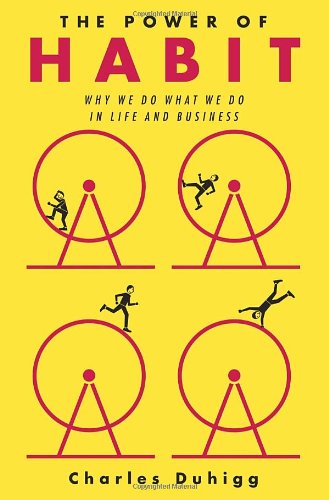
HBCU Money™ Business Book Feature – The Power of Habit: Why We Do What We Do in Life and Business

51oqw8x58FL

In The Power of Habit, Pulitzer Prize–winning business reporter Charles Duhigg takes us to the thrilling edge of scientific discoveries that explain why habits exist and how they can be changed. Distilling vast amounts of information into engrossing narratives that take us from the boardrooms of Procter & Gamble to sidelines of the NFL to the front lines of the civil rights movement, Duhigg presents a whole new understanding of human nature and its potential. At its core, The Power of Habit contains an exhilarating argument: The key to exercising regularly, losing weight, being more productive, and achieving success is understanding how habits work. As Duhigg shows, by harnessing this new science, we can transform our businesses, our communities, and our lives.

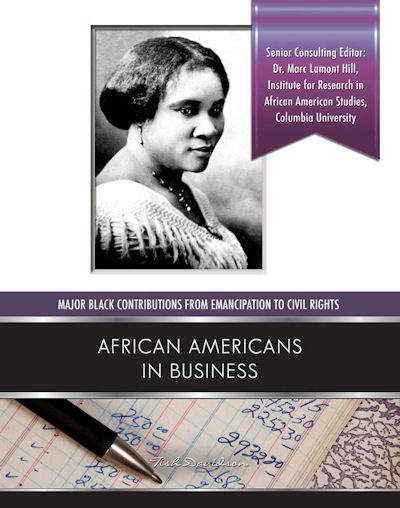
HBCU Money™ Business Book Feature – African Americans in Business (From Emancipation to Civil Rights)

9781422223772lg

Many people dream of owning their own business or making it to the top of the corporate ladder. In the pages of this book, you’ll meet African Americans who overcame obstacles and stereotypes to make their dreams a reality. Madam C. J. Walker was orphaned at age 7, married at 14, became a mother at 18, and was widowed at 20. She went on make a million dollars selling hair care products. Berry Gordy loved music but went broke after opening a record store. He didn’t give up, though. Gordy eventually started Motown Records, which became one of the country’s most successful record labels and introduced a host of talented black artists to mainstream American audiences. Stanley O’Neal grew up on a farm without running water or indoor toilets. Through intelligence and hard work he became the head of a $50 billion investment bank. Read about these and other inspiring figures in this book.

HBCU Money™ Business Book Feature – The Negro As Capitalist

51cTRHGBA-L

A study of the efforts of the Black community to provide for itself those banking services often denied it by the white financial community._”An absorbing and thoroughly documented account, the book merits close study not only by those who are specialists in the field of banking but also by those who are interested in the economic plight of the Negro.”