“The wealthy don’t fear debt they master it. While others pay to own, they borrow to control.” — HBCU Money
In the hills of Bel Air, where the gates are high and the price of privacy even higher, a royal couple reigns not with crowns or thrones, but with compound interest, limited liability companies, and a mastery of capital structuring. This month, Beyoncé and Jay-Z made headlines again, not for a new album or tour, but for a second mortgage. The couple whose combined net worth now exceeds $3 billion, per Forbes secured an additional $57.8 million mortgage on their $88 million Bel Air estate. This raises their total mortgage debt on the property to $110.6 million. For many, it triggered confusion: Why would billionaires take out debt especially this much? They own the intellectual property rights to chart-topping albums, entire music catalogs, clothing lines, venture funds, and streaming services. They’re not short on liquidity. But for those fluent in institutional wealth-building, the move is textbook. It’s what banks do. What private equity does. What families like the Rockefellers, Rothschilds, and yes, now the Carters, do: they leverage good debt to expand their control over assets, preserve liquidity, and legally reduce taxes. As the headlines obsess over the couple’s $637,244 monthly burn rate including mortgage and property taxes we must step back and understand the real play at work.
The Structure of Power: Debt as a Wealth Instrument
There are two kinds of debt in America, debt you drown in, and debt you climb on. The former is predatory and suffocating: payday loans, credit card interest, subprime mortgages. The latter is engineered and liberating: investment real estate, operating capital, bridge financing. This second category, good debt is what powers Wall Street, Silicon Valley, and, increasingly, the portfolios of Black billionaires. When Beyoncé and Jay-Z financed their Bel Air estate rather than pay in cash, it wasn’t a lack of funds it was a maximization of strategy. With interest rates still historically low by long-term standards, the effective cost of borrowing is cheaper than the opportunity cost of deploying equity elsewhere. That $110 million in borrowed capital is likely earning multiples elsewhere in touring infrastructure, private equity ventures, tech startups, and, of course, real estate. The Carter empire does not rely on liquidating assets to make acquisitions. It builds on leverage, like any institution should.
Cash Is King, Debt Is the Horse It Rides
Jay-Z once rapped, “I’m not a businessman. I’m a business, man.” And that business understands that cash flow is oxygen. In a high-inflation, high-yield environment, holding liquidity is more valuable than owning a paid-off house in Bel Air. Let’s model it simply:
Suppose the couple borrowed $110 million at a 3.5% interest rate.
The annual cost is approximately $3.85 million.
That same $110 million deployed into touring, film production, or venture investments yielding 10% generates $11 million annually.
Net result? Over $7 million in arbitrage.
This is how institutions think. Not in terms of how much they “own,” but in how much capital they control and multiply. African American families and institutions should take note: Being debt-free is not synonymous with being economically powerful. Control, not ownership alone, is the more sophisticated metric of power.
The Bel Air Property: Trophy or Tool?
It’s tempting to dismiss the Bel Air estate as just another status symbol, a personal flex. But that’s the wrong lens.
For the Carters, real estate like music catalogs, business equity, and IP is a balance sheet line item. This home, aside from its lifestyle function, serves several institutional purposes:
Collateralization – The home is a high-value, appreciating asset. It anchors future lending.
Credit Enhancement – With reliable payment performance, it increases the couple’s access to cheap capital.
Tax Optimization – Interest payments on a mortgage of this type can be partially deducted, even under current tax caps.
Moreover, the couple reportedly pays $100,343 monthly in property taxes, more than the annual income of the median U.S. household. But again, context matters. Their global income and asset base far outpace such obligations, and that property tax provides further tax deduction possibilities depending on structure.
A Note to the Emerging Class: Institutional Thinking Required
The divide in America today is less about income and more about how wealth thinks. Many African American households are still taught to see debt as something to eliminate completely often because of the trauma associated with its misuse. The wealth class, by contrast, uses debt as a financial tool.
The Carters didn’t get here by mistake. Their trajectory offers lessons that should be taught in HBCU finance classrooms and African American family wealth summits alike:
Leverage is not a vice if it is structured.
A mortgage is not debt when the return exceeds the cost.
Liquidity is more powerful than ownership in times of economic opportunity.
Institutions survive because they think beyond the personal.
This is especially important for HBCU alumni and African American families looking to build dynastic wealth. Too often, debt is only associated with student loans and credit cards. Rarely is it discussed as an accelerant for asset acquisition, tax minimization, or capital scaling.
Building the Empire: What the Rest of Us Can Learn
You don’t need a Bel Air zip code to think like an institution. The Carter model can be scaled:
Buy Investment Property Use mortgage debt to buy a duplex, triplex, or quadplex where tenants cover your mortgage and generate passive income.
Preserve Your Capital Avoid putting 100% down on assets. Leverage 20–30% and maintain the rest for emergencies or investments.
Learn the Tax Code Understand how to deduct interest, depreciate properties, and structure your finances to reduce liability legally.
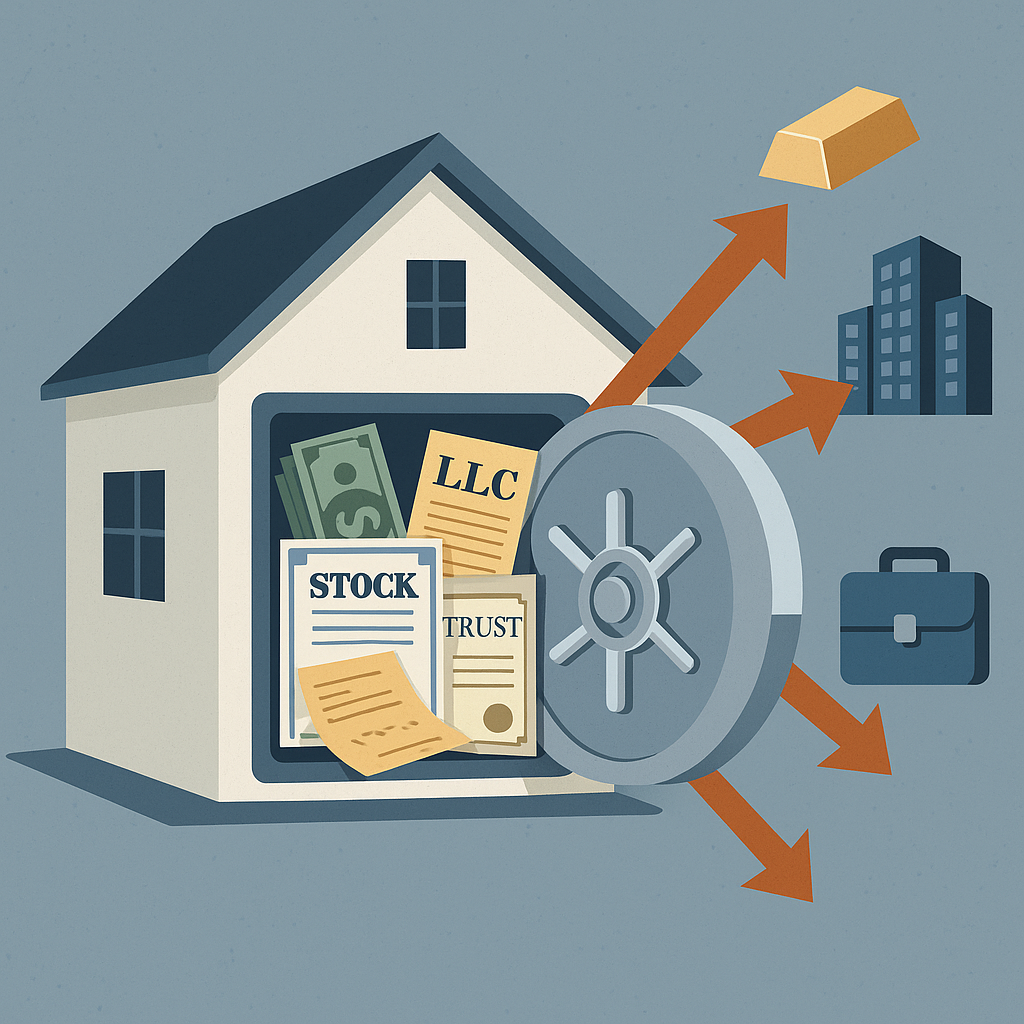
Think Generationally Set up trusts, LLCs, and estate plans. Don’t just buy for today—structure for tomorrow.
Teach the Next Generation Share strategies at the dinner table. Incorporate wealth-building into family conversations and HBCU alumni networks.
From Debt-Averse to Debt-Aware: A Cultural Pivot
For African America, there must be a shift from being debt-averse to being debt-aware. Not reckless, but informed. Not afraid, but empowered. Beyoncé and Jay-Z’s move may make for juicy tabloid fodder, but the real story is about capital strategy. With every refinance, with every debt restructuring, they’re deepening their institutional footprint. We often praise their performances, their music, their style. But perhaps we should spend more time studying their moves not just on stage, but on paper. Their empire isn’t built on vibes it’s built on vehicles, vision, and valuation strategy.
The Carter Codex
The narrative shouldn’t be, “Beyoncé and Jay-Z are spending $637,000 a month.” It should be, “Beyoncé and Jay-Z have leveraged a property to unlock hundreds of millions in investment capital while maintaining their lifestyle and optimizing their taxes.” That’s the story HBCU students in finance departments should be analyzing. That’s the story African American financial advisors should be breaking down. That’s the story Black families gathering for holiday dinners should be dissecting. Because wealth isn’t what you show it’s what you can withstand, what you can structure, and what you can scale. In a country that often denies African America the full benefits of capitalism, the Carter family is rewriting the playbook. Not with debt as a burden. But with debt as a bridge.
“If you don’t find a way to make money while you sleep, you will work until you die.” — T. Harv Eker
In the American imagination, wealth is often synonymous with work—grit, grind, and the relentless pursuit of the paycheck. Yet the country’s richest families rarely labour for their living. Their fortunes compound quietly, buoyed by investments, dividend-paying stocks, real estate, and business interests. For Black households, whose median net worth remains a fraction of their white counterparts, accessing such passive income streams remains a frontier of both opportunity and historical consequence.
According to recent data from the U.S. Census and the Federal Reserve, only 7% of Black households report receiving passive income—whether from rental properties, interest, dividends, or business ownership—compared to 24% of white households. And when such income does exist, the median amount for Black families barely touches $2,000 annually, compared to nearly $5,000 for white households. This income disparity is not incidental. It reflects generations of exclusion, underinvestment, and systemic barriers to asset ownership.
But it is changing.
Across the U.S., a growing cohort of Black investors, entrepreneurs, and financial organizers are working to reverse this trend. From stock investing circles to community real estate funds and digital asset education, there is an awakening to the principle that “money must work when we do not.”
A Quiet Crisis in the Wealth Equation
Wealth in America has never been evenly distributed, but the passive income gap underscores a more insidious asymmetry: not just what people earn, but how money is multiplied. For much of the 20th century, Black Americans were systematically denied access to the very tools that compound wealth. Home loans were redlined. Stock brokers ignored Black neighborhoods. Black-owned businesses were underfinanced and over-regulated.
“We talk a lot about income inequality, but asset inequality is far more dangerous,” says Dr. Lenora Matthews, professor of finance at Howard University. “Passive income is how wealth survives across generations. Without it, every dollar must be earned, every month restarted from zero.”
The result has been a fragile wealth ecosystem. Black households are more likely to rely solely on wages, less likely to inherit financial assets, and more burdened by student debt. This combination severely limits participation in the capital markets that fuel passive income.
Enter the Index Fund
Among the most accessible starting points for passive income is the stock market—particularly index funds and ETFs (exchange-traded funds). These instruments offer low-cost, diversified exposure to the market and require little financial sophistication.
Platforms like M1 Finance, Public, and Fidelity now allow investors to buy fractional shares, meaning a person can invest $10 into the S&P 500 rather than $500 for a single share. Many Black investors are leveraging this entry point to build long-term portfolios with monthly contributions.
Tasha McDaniel, a teacher in Atlanta, began investing during the pandemic with just $50 per paycheck. “I never thought I’d be an investor,” she says. “But I realized my savings account was losing to inflation. Now my dividends buy more shares automatically.”
Her strategy follows a principle now gaining traction in Black financial circles: automatic reinvestment. Known as DRIP (Dividend Reinvestment Plan), it ensures that dividend payments purchase additional shares—compounding returns without additional cash input.
Real Estate: The Tangible Asset
Beyond equities, real estate remains the second pillar of passive income strategy. But here too, Black households have been historically marginalized. In 2022, the Black homeownership rate stood at 44%, compared to 74% among whites, a gap wider than it was in 1968 when the Fair Housing Act was passed.
And yet, platforms like Roofstock, Fundrise, and Arrived Homes are lowering the barriers. These services allow users to invest in rental properties, either fractionally or outright, while property management is handled externally—turning what was once an intensive business into a hands-off income stream.
“There’s a myth that you need $100,000 to buy a rental,” says Marcus Green, a Detroit-based real estate investor. “But with the right markets and leveraging community capital, Black investors can and are buying back the block.”
Indeed, co-investment models are growing. In cities like Birmingham, Baltimore, and Chicago, Black investment clubs are pooling resources to purchase duplexes and small multi-family homes. Each investor receives a percentage of rental income, and over time, equity appreciation.
The model is not new. It mirrors how Jewish, Chinese, and Caribbean diasporas historically approached real estate. What is new is the technological infrastructure allowing even small investors to participate.
Business Ownership: The Third Rail
Owning a business is arguably the most lucrative form of passive income—especially if it can be structured to run without the founder’s daily involvement. But again, Black entrepreneurs face outsized barriers. A 2021 Brookings report found that Black-owned businesses are half as likely to receive funding and receive only a third as much capital, even when creditworthiness is equal.
Still, entrepreneurship remains a favored strategy. Digital businesses—especially those selling information products, such as eBooks, online courses, or print-on-demand merchandise—offer high margins with low startup costs.
“I created a personal finance course for new parents,” says Jamal Pierce, a Houston-based father of two. “It took me three weekends. Now it makes $500 a month, and I haven’t touched it in a year.”
Similarly, Black creators on platforms like YouTube, Etsy, and Substack are finding ways to turn knowledge, creativity, and community into automated income. While these streams begin modestly, they represent a critical shift: from hourly labor to scalable value.
Trust, Trauma, and Financial Literacy
While access to capital is critical, trust and cultural engagement are equally important. Surveys consistently show that Black Americans are less likely to trust financial institutions. This distrust is not irrational. From the exploitation of Freedman’s Bank to discriminatory banking practices in the 2000s housing crash, history abounds with financial betrayal.
To bridge this gap, a new generation of Black financial educators is emerging. TikTok influencers, YouTube educators, and community workshops are now teaching passive income strategies with a culturally relevant lens.
“Financial literacy must come from trusted voices,” says Ayana Holland, founder of Black Wealth Book Club. “We aren’t just teaching stocks; we’re healing financial trauma.”
Her organization hosts monthly readings and investment challenges, helping members open brokerage accounts, buy dividend-paying stocks, and learn the language of capital.
Group Economics Reimagined
One of the most powerful but underutilized tools in the Black community remains cooperative economics. The tradition of “sou-sous” and rotating savings clubs dates back centuries but is now being modernized into investment syndicates and real estate cooperatives.
In New York, the Umoja Investment Circle—formed by five Black women—collectively saved $60,000 in a year and used it to buy a cash-flowing rental property in upstate New York. Each member now receives quarterly dividends.
“We realized we didn’t need to wait for the bank,” says founding member Tiffany Rhodes. “We were the capital.”
Such models not only build wealth but restore a sense of agency and interdependence. They allow families and communities to reclaim the capital flight that has plagued Black neighborhoods for decades.
Digital Assets and the Cautionary Horizon
The emergence of digital assets, particularly cryptocurrencies and decentralized finance (DeFi), has sparked curiosity and concern among Black investors. On one hand, Black Americans have adopted crypto at faster rates than their white peers, drawn by its decentralization and promise of wealth democratization.
On the other, the market’s volatility and regulatory uncertainty pose significant risks. The collapse of platforms like FTX and Celsius has reignited warnings about speculation without education.
“Crypto is not the enemy,” says Kaylin James, a blockchain consultant. “But we must separate hype from fundamentals. Bitcoin can be a long-term store of value, but not every coin is your ticket to freedom.”
The lesson is clear: passive income must be built on understanding, not urgency.
Policy Interventions and Structural Change
While individual strategies matter, structural change is essential to closing the passive income gap. Federal and state policies must expand access to retirement accounts, support first-time homebuyers, and fund Black-owned startups.
Programs like baby bonds, universal 401(k) participation, and public banking could democratize the tools of wealth. So too could the strengthening of historically Black financial institutions—credit unions, community development financial institutions (CDFIs), and HBCU endowments.
Indeed, institutions like OneUnited Bank and the HOPE Credit Union are already deploying capital into underserved areas, while crowdfunding models like Black Wall Street Cooperative are testing new modes of community finance.
Toward Financial Sovereignty
The quest for passive income is not merely a financial ambition—it is a reclaiming of time, dignity, and possibility. For Black households, it represents both survival and sovereignty. It is the freedom to plan, to rest, and to invest in future generations.
In a world where work grows ever more precarious and inequality more entrenched, the ability to earn without labour is no longer a luxury. It is an imperative.
As Jamal Pierce puts it: “I don’t want my kids to inherit hustle. I want them to inherit options.”
The shift is underway. The movement is growing. Passive income is not a dream. It is a strategy—and a declaration—that Black wealth will not be denied, only delayed.
Chart: Chamber of Commerce using U.S. Census Bureau’s 2019 American Community Survey
Analysis with Focus on African Americans
The chart presents data on median passive income and the percentage of households with passive income across different racial/ethnic groups. Here’s a focused analysis on African Americans (Black households) in comparison to others:
Passive Income Levels
Black households have the lowest median passive income compared to other groups.
Their median passive income is around $2,500, significantly lower than White, Hispanic, and Asian households, which are all above $4,000.
This suggests that Black households have less access to wealth-generating assets such as investments, rental properties, and other income-generating financial vehicles.
Percentage of Households with Passive Income
Black households also have the lowest percentage of households receiving passive income (approx. 6%).
This is significantly lower than Non-Hispanic White and Asian households, indicating that fewer Black families are benefiting from income streams outside of wages and salaries.
The disparity may be linked to historical and systemic barriers to wealth accumulation, including lower rates of homeownership, limited access to capital for investments, and disparities in inheritance.
Comparative Insights
Hispanic households, despite having near the same percentage of households receiving passive income as Black households, have a relatively equal median passive income to White and Asian households with White, Asian, and Hispanic households median passive income being over 50 percent greater than African American households.
In contrast, Non-Hispanic White and Asian households have both a higher proportion of households with passive income and significantly higher median passive income, suggesting a stronger institutional wealth advantage.
The data reinforces broader economic research that points to racial wealth gaps in the U.S., where Black families historically have had fewer opportunities to build wealth post World War II due to the G.I. Bill and desegregation leading to the demolishing of African American institutional wealth.
Potential Implications & Solutions
Financial literacy & investment education: Increasing awareness and access to investment opportunities can help improve passive income for Black households.
Wealth-building programs: Policies aimed at reducing barriers to property ownership and business investment can support long-term financial stability.
Access to capital: Expanding access to business loans, stock market investments, and other wealth-building tools can improve financial mobility.
Additional Insights on Passive Income Disparities for Black Households
Building on the previous analysis, let’s explore some deeper economic, historical, and structural factors that contribute to the lower levels of passive income among Black households.
Historical Barriers to Wealth Accumulation
Redlining & Housing Discrimination:
Homeownership is a key driver of wealth in the U.S. Black Americans were historically excluded from homeownership through redlining, restrictive covenants, and discriminatory lending practices.
Even today, Black homeownership rates remain significantly lower, limiting the ability to build home equity that could generate rental income or be passed down to future generations.
Limited Access to Financial Markets:
Generational wealth disparities mean Black families are less likely to inherit assets such as stocks, bonds, or investment properties.
The racial wealth gap reduces the ability to invest in income-generating assets like rental properties, mutual funds, or businesses.
Income vs. Wealth: Why This Matters for Passive Income
Higher Reliance on Earned Income:
The data suggests that Black households rely more on wages and salaries rather than passive income streams.
Without accumulated wealth or financial investments, it becomes harder to transition from relying solely on wages to generating income passively.
Debt Burden & Financial Constraints:
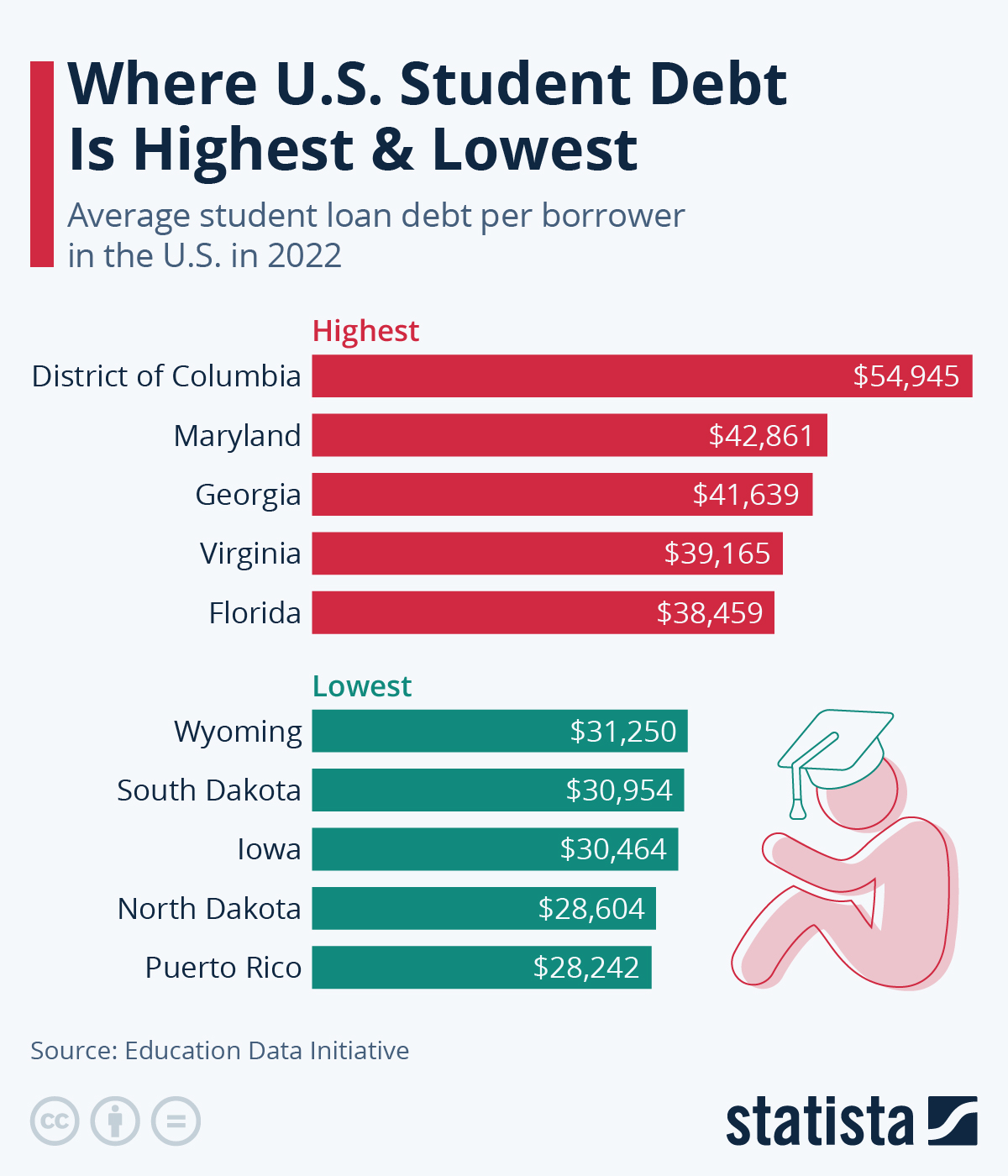
Black households tend to carry higher levels of student loan debt relative to income.
This reduces disposable income that could otherwise be invested in wealth-generating assets like stocks, businesses, or real estate.
Entrepreneurship & Business Ownership
Lower Rates of Business Ownership:
Business ownership is a major source of passive income, yet Black entrepreneurs face systemic barriers to access funding.
According to studies, Black business owners are more likely to be denied loans or receive less funding than White business owners with similar qualifications.
The lack of capital prevents many Black entrepreneurs from scaling their businesses into passive income-generating enterprises.
Investment Disparities
Lower Stock Market Participation:
Stock investments are a major source of passive income (dividends, capital appreciation).
Research shows that Black Americans are less likely to invest in the stock market, often due to financial constraints, lack of investment knowledge, or distrust in financial institutions.
This contributes to the income gap, as wealthier groups benefit disproportionately from stock market growth.
Retirement Savings Gap:
Black workers are less likely to have employer-sponsored retirement accounts such as 401(k) plans, which can serve as passive income sources later in life.
Lower contributions to retirement accounts also mean reduced wealth accumulation over time.
Policy & Structural Solutions
To address these disparities, several targeted interventions could help increase passive income opportunities for Black households:
✅ Financial Education & Investment Access:
Expanding financial literacy programs to educate communities about investing, real estate, and wealth-building strategies.
Encouraging early participation in retirement and investment accounts.
✅ Homeownership Support:
Strengthening first-time homebuyer assistance programs for Black families to increase homeownership rates.
Expanding access to fair lending and mortgage assistance programs.
✅ Entrepreneurship & Capital Access:
Increasing access to venture capital and business loans for Black entrepreneurs.
Expanding mentorship programs that connect Black business owners with experienced investors.
✅ Workplace & Policy Interventions:
Strengthening retirement benefits and employer-matching programs.
Enforcing anti-discrimination laws in financial institutions to ensure fair lending practices.
The chart illustrates a clear racial disparity in passive income, which is a key driver of long-term financial stability. Addressing this gap requires both individual financial strategies and systemic policy changes to create more equitable opportunities for Black households to build and sustain wealth.
Investment Strategies for Building Passive Income in Black Households
Building passive income requires a strategic approach to investing, asset accumulation, and financial planning. Here are some tailored investment strategies that can help Black households increase wealth and long-term financial stability.
Stock Market Investing (Long-Term Wealth Growth)
Investing in the stock market is one of the best ways to generate passive income through dividends and capital appreciation.
How to Get Started:
✅ Invest in Index Funds & ETFs:
Index funds (e.g., S&P 500) and exchange-traded funds (ETFs) offer diversification and long-term growth with minimal risk.
Example: Vanguard Total Stock Market ETF (VTI), SPDR S&P 500 ETF (SPY), or Fidelity Zero Large Cap Index Fund (FNILX).
✅ Dividend Stocks for Passive Income:
Some stocks pay dividends, providing consistent cash flow.
Examples: Johnson & Johnson (JNJ), Coca-Cola (KO), Procter & Gamble (PG).
Consider Dividend ETFs like Vanguard Dividend Appreciation ETF (VIG).
✅ Start Small & Use Fractional Shares:
Apps like Robinhood, M1 Finance, and Fidelity allow investing with as little as $5.
Investing in fractional shares lets you own expensive stocks (e.g., Amazon, Apple) without needing full stock prices.
✅ Retirement Accounts for Tax Advantages:
401(k) or 403(b) Plans (if employer-sponsored) – Max out contributions, especially if there’s an employer match.
Roth IRA or Traditional IRA – Tax-free or tax-deferred investment growth.
Real Estate Investing (Building Generational Wealth)
Real estate is a powerful way to create passive income and build long-term wealth.
Ways to Invest in Real Estate:
🏡 Rental Properties (Buy & Hold Strategy):
Purchase properties in high-growth areas and rent them out.
House-hacking: Buy a duplex, live in one unit, and rent the other to cover your mortgage.
🏘 Real Estate Investment Trusts (REITs) (For Hands-Off Investing):
REITs allow you to invest in real estate without owning property.
They pay out dividends and grow in value over time.
Examples: Vanguard Real Estate ETF (VNQ), Realty Income Corp (O).
🏗 Short-Term Rentals (Airbnb, VRBO):
Renting out a portion of your home or a property on Airbnb can generate passive income.
🏠 Crowdfunded Real Estate:
Platforms like Fundrise, Roofstock, and RealtyMogul let you invest in real estate with as little as $500.
Entrepreneurship & Online Business (Creating Scalable Income)
Starting a business can provide long-term passive income if structured correctly.
Low-Cost Online Business Ideas:
💻 Create Digital Products (eBooks, Courses, Templates):
Platforms like Gumroad, Teachable, and Udemy allow you to sell digital products with no inventory costs.
Ad revenue, affiliate marketing, and sponsorships can generate passive income over time.
Example: Start a finance blog, career coaching YouTube channel, or real estate investing podcast.
📈 Affiliate Marketing & Dropshipping:
Promote other brands’ products and earn commissions without handling inventory.
Use platforms like Amazon Associates, Shopify, and ClickBank.
Passive Income from Bonds & Fixed-Income Investments
Bonds provide steady income with lower risk than stocks.
Best Bond Investments:
📜 U.S. Treasury Bonds & I Bonds:
Safe and backed by the government.
I Bonds protect against inflation and currently offer high-interest rates.
🏦 Corporate Bonds & Municipal Bonds:
Corporate bonds pay higher interest but carry slightly more risk.
Municipal bonds offer tax-free income and are great for long-term wealth preservation.
📊 Bond ETFs for Diversification:
Example: Vanguard Total Bond Market ETF (BND).
Community & Group Investing (Building Wealth Collectively)
Pooling resources can help overcome capital barriers in investing.
How to Invest as a Group:
👥 Investment Clubs & Stock Groups:
Join or create an investment group to collectively buy stocks or real estate.
Apps like Public and M1 Finance allow social investing.
🏡 Real Estate Syndication & Co-ops:
Partner with others to invest in properties together.
Example: Several families invest in an apartment complex and split the rental income.
🌍 Peer-to-Peer Lending (P2P):
Platforms like LendingClub allow investing in loans for passive interest income.
Leveraging Technology & Automation for Passive Income
📲 Set Up Automated Investing:
Use Robo-Advisors (Wealthfront, Betterment) for hands-off investing.
Set up automatic dividend reinvestments (DRIP) to grow wealth faster.
📱 Passive Income Apps:
Honeygain & Nielsen Rewards: Earn passive income by sharing internet bandwidth.
📈 Side Hustles with Passive Potential:
Print-on-Demand (Etsy, Redbubble)
Amazon Kindle Direct Publishing (KDP)
Final Takeaways: Actionable Steps
🔹 Step 1: Open a brokerage account (Fidelity, Vanguard, or Charles Schwab) and start investing in stocks, ETFs, or REITs. 🔹 Step 2: If possible, buy a rental property or start with REITs for real estate exposure. 🔹 Step 3: Automate savings & investments through 401(k), Roth IRA, or Robo-advisors. 🔹 Step 4: Explore low-risk passive businesses. 🔹 Step 5: Consider group investing with family or community investment clubs.
The most recent student loan data is an extremely hard gauge to use given its lag time. This data is the latest data available by ICAS, but also is pre-COVID and pre-George Floyd. The latter in that situation potentially produced a significant increase in student loan debt by students as many sought to help themselves and their families through financial aid refunds. COVID exposed African America’s acute financial fragility through poor health insurance, jobs with high exposure to COVID risk, and more. To the latter, in the post-George Floyd that also occurred where hundreds of millions poured into HBCU coffers led by MacKenzie Scott in levels never seen before and COVID relief funding through the CARES Act to colleges and universities witnessed HBCUs providing an immense amount of financial relief to its students to try and stem the debt tide.
HBCU graduates actually have some good news in that their median debt dropped approximately 8 percent from our last report while their PWI counterparts at major endowed institutions remained virtually unchanged. The bad news is that the percentage of HBCU graduates with debt remains unchanged while their PWI counterparts at major endowed institutions graduating with debt dropped almost 20 percent. This expands the gap of HBCU/PWI students graduating with debt from a previous 46 percentage points difference to now 52 percentage points in this latest report.
Numbers in parentheses shows the comparative results from the universities of the 30 largest endowments:
Median Total Debt of HBCU Graduates – $31,422 ($24,479)
Proportion of HBCU Graduates with debt – 85% (33%)
Median Private Debt of HBCU Graduates – $17,386 ($44,622)
Proportion of HBCU Graduates with private debt – 7% (5%)
Source: The Institute for College Access & Success
Looking at the numbers even further shows that HBCU Graduates debt is almost 30 percent higher than their PWI major endowed counterparts. This despite HBCUs being significantly cheaper, HBCU Graduates suffer from a student body that acutely comes from families that lack family assets and stability to assist. It is highlighted in the private debt component where PWI counterparts have significantly higher amounts of private debt. Potentially speaking to the borrowing power of those PWI families beyond federal financial aid.
It may be a few years before updated data from within the COVID era is available, but basic extrapolation suggest that even with the donations received after George Floyd and the CARES Act that HBCUs simply still lack the endowments to make up for the acute lack of African American household wealth combined with less than 10 percent of African Americans choosing HBCUs. The latter means that HBCUs operate with smaller alumni pools. These smaller pools means a smaller nominal giving of the alumni who do give and a significantly smaller probability that the HBCU can create a percentage of alumni who go onto become wealthy donors.
In the end, HBCU alumni who care about this must make available scholarship to a wider net of HBCU students while in school. Focusing on creating scholarship that is available to every student who is academically eligible and giving less emphasis to GPA. The large majority of any HBCU graduation class has GPAs between 2.0 and 3.0 and are the ones most likely to be left out of having any ability to decrease their student loan burdens making them almost never to be in a position to become donors.
By expanding eligibility requirements, scholarships can provide financial relief to those who need it most—students who are often balancing academics with work, family responsibilities, and other challenges. Many of these students demonstrate resilience, dedication, and a commitment to completing their education, yet traditional scholarship models disproportionately favor high achievers with GPAs above 3.5. While academic excellence should be celebrated, financial aid should not solely be reserved for the top percentage of students.
A broader approach to scholarships will help create a stronger alumni network in the long run, as more graduates will leave school with reduced debt, making them more likely to support their alma mater financially and contribute to future scholarship funds.
Investing Together: How Families Can Benefit from a Sector-Based Dividend ETF Portfolio
In an age where financial literacy is just as important as traditional education, building a culture of investing within the family unit can be transformative. A sector-based dividend ETF (Exchange-Traded Fund) portfolio, such as the one recently highlighted in the “Highest Paying Dividend Index ETFs by Sector (2025 Update),” provides not only a reliable source of income through dividends but also a foundational tool for families to grow generational wealth, teach financial principles, and maintain economic resilience across economic cycles.
Why Dividend ETFs?
Dividend ETFs are a type of fund that holds a collection of dividend-paying stocks. Instead of owning individual companies and worrying about the performance of one or two stocks, ETFs give you diversified exposure to many companies within a sector. For example, the Vanguard Real Estate ETF (VNQ) gives investors exposure to real estate investment trusts (REITs), which typically pay higher-than-average dividends. Similarly, Utilities Select Sector SPDR Fund (XLU) provides exposure to utility companies, a sector known for steady performance and consistent dividend payments.
What makes these ETFs especially attractive is their passive income potential. By subtracting expense ratios (i.e., the fees to manage the ETF) from the dividend yield, we calculate the real annual dividend yield—the true income an investor earns. As families build portfolios with these tools, they are effectively laying the groundwork for consistent cash flow, which can be reinvested, used for expenses, or saved for long-term goals.
Benefits to Families
1. Creating a Passive Income Stream
Each ETF in the portfolio provides a small “paycheck” in the form of dividends, typically distributed quarterly. A well-diversified ETF portfolio can yield between 1.10% to nearly 4.00% annually, even after accounting for fees. For families, this means having a source of income that doesn’t rely on active work. Over time, reinvesting those dividends can lead to exponential growth—a concept known as compounding.
Let’s say a family invests $10,000 evenly across the top-performing ETFs like VNQ (3.88%), XLU (3.40%), and XLP (2.40%). Even at a modest return, that’s hundreds of dollars per year generated simply for holding onto investments—funds that could be used for savings, college funds, vacations, or even to reinvest further.
2. Sector Diversification Reduces Risk
This approach spreads investment risk across multiple parts of the economy: healthcare, real estate, technology, consumer goods, industrials, and more. By investing in ETFs that represent different sectors, families protect themselves from being overly exposed to one industry’s downturn. For example, if the technology sector underperforms, the utilities or real estate sectors—known for stability—can balance the portfolio.
This type of diversification is often compared to the phrase: “Don’t put all your eggs in one basket.” It’s especially vital for families who may not have the resources to weather major financial downturns without support.
3. Education and Involvement
Perhaps one of the most overlooked benefits of a family investment strategy is the educational component. Children who grow up in households where investments are discussed openly tend to have a better understanding of money management, risk, and long-term planning. Sitting together to review ETFs, tracking dividends, and discussing financial goals as a family can become a hands-on, real-world economics lesson.
Imagine a young child asking why a utility company pays more in dividends than a tech company. That conversation could spark curiosity that leads to lifelong financial competence.
4. Building Generational Wealth
Families often think of wealth in terms of property or inheritances. However, stock portfolios—especially those that grow with dividends—can quietly become powerful financial legacies. With dividend reinvestment plans (DRIPs), families can automatically reinvest earnings, buying more shares without lifting a finger.
Over 10–20 years, such compounding can result in significant growth—even for modest contributions. A $5,000 investment today in an ETF yielding 3.5% reinvested annually could be worth well over $10,000 within two decades, assuming modest appreciation. Multiply that across several ETFs and contributions over time, and you’re not just saving—you’re building a legacy.
Getting Started
For families interested in building this type of portfolio, consider the following steps:
Start Small: You don’t need thousands of dollars. Most brokers now offer fractional shares. You can start investing with as little as $5 or $10.
Pick Core Sectors: Start with 3-5 sectors that align with long-term stability (e.g., healthcare, utilities, consumer goods).
Set Up a DRIP: Automatically reinvest dividends to maximize compounding over time.
Have Monthly Check-ins: Discuss how the investments are performing, what dividends were earned, and what sectors are thriving. Involve your children if appropriate.
Use Tax-Advantaged Accounts: Consider using Roth IRAs, 529 college savings plans, or custodial accounts to maximize tax efficiency.
Basic Materials
ETF: Materials Select Sector SPDR Fund (XLB)
Issuer: State Street
Dividend Yield: 2.10%
Expense Ratio: 0.10%
Real Annual Dividend Yield: 2.00%
Consumer Goods
ETF: Consumer Staples Select Sector SPDR Fund (XLP)
Issuer: State Street
Dividend Yield: 2.50%
Expense Ratio: 0.10%
Real Annual Dividend Yield: 2.40%
Financials
ETF: Financial Select Sector SPDR Fund (XLF)
Issuer: State Street
Dividend Yield: 2.30%
Expense Ratio: 0.10%
Real Annual Dividend Yield: 2.20%
Healthcare
ETF: Health Care Select Sector SPDR Fund (XLV)
Issuer: State Street
Dividend Yield: 1.60%
Expense Ratio: 0.10%
Real Annual Dividend Yield: 1.50%
Industrial Goods
ETF: Industrial Select Sector SPDR Fund (XLI)
Issuer: State Street
Dividend Yield: 1.90%
Expense Ratio: 0.10%
Real Annual Dividend Yield: 1.80%
Services (Consumer Discretionary)
ETF: Consumer Discretionary Select Sector SPDR Fund (XLY)
Issuer: State Street
Dividend Yield: 1.20%
Expense Ratio: 0.10%
Real Annual Dividend Yield: 1.10%
Technology
ETF: Technology Select Sector SPDR Fund (XLK)
Issuer: State Street
Dividend Yield: 1.30%
Expense Ratio: 0.10%
Real Annual Dividend Yield: 1.20%
Utilities
ETF: Utilities Select Sector SPDR Fund (XLU)
Issuer: State Street
Dividend Yield: 3.50%
Expense Ratio: 0.10%
Real Annual Dividend Yield: 3.40%
Real Estate
ETF: Vanguard Real Estate ETF (VNQ)
Issuer: Vanguard
Dividend Yield: 4.00%
Expense Ratio: 0.12%
Real Annual Dividend Yield: 3.88%
Final Thoughts
Wealth isn’t just about having money—it’s about having the knowledge and structure in place to build and preserve it. A sector-based dividend ETF portfolio provides families a chance to learn together, earn together, and plan together. It turns investing from something abstract into a shared experience with real-life value.
The image of a family gathered around a laptop, reviewing charts and dividend yields, is more than a snapshot—it’s a vision of the future. A future where African American families, and all families, are empowered to take control of their financial destinies one dividend at a time.
Truth is so hard to tell, it sometimes needs fiction to make it plausible. – Francis Bacon
Heathcliff and Claire. George and Weezy. Carl and Harriette. Florida and James. Philip and Vivian. Martin and Gina. The African American fictional couples over the years who have exuded the importance of the African American family and Black love. From working class to high-income earners one thing has remained consistent. None seemingly were ever investors. The one African American fictional character that was a stockbroker was Living Single’s Kyle Barker and yet even in that show with Khadijah James (Queen Latifah) running what seemed to be a successful magazine and media company, the finances of the characters always seemed to come off as strained – save for Kyle and Maxine. The world of African American fictional characters reflects African America’s attitude towards money in real life. A central belief that the only way you make a lot of money is to have a high paying job. Money working for you through investments then and now is a concept that mightily struggles to take root among African American capital both individually and institutionally in our community.
One thing that was or is rarely discussed in African American fictional shows is money and if it is discussed it is almost always discussed from a consumption and/or struggle vantage point – we all still have trauma from when Florida made James return that money. In real life, African America’s relationship with tax refunds has historically been used as an unrealized forced savings account. Many in African America not realizing that they are not getting money from the government, but are getting their money back from the government. Tax refunds are almost always a sign that an individual or household has paid too much in taxes throughout the year. Again, you are not getting money from the government, you are getting back your money that you overpaid to the government. This is why many refer to it as a forced savings account.
On April 6, 1995 aired Season 3 Episode 22 titled “C.R.E.A.M.” of Martin. It shows Martin and Gina as they are planning for their upcoming wedding. While paying their bills Martin sees a letter from the IRS and like any normal person begins to panic. Because seriously, who gets good news from the IRS? But instead of it being problematic, it turns out that an IRS error has allowed for Martin to receive a $4,000 tax refund. In the excitement, one would think that Martin and Gina just received a check of generational wealth as Martin exclaims, “We PAID! We PAID!” Immediately, Martin’s response is to find ways to spend the money noting that he should go out and buy them a satellite dish, a laser disc player, and himself a new wardrobe. Gina on the other hand actually reigns him in and suggest they actually invest the money. One thing that is glossed over in the exuberance was Gina’s earlier statement that they actually have all their bills paid this month suggesting that Martin and Gina’s finances are perhaps not on the most stable footing. It is likely that they were living check to check if not by some accounts living in the red.
To be clear, their refund was absolutely no small amount given that according to the U.S. Census, African American median household income in 1995 was $22,393. It would be equivalent to receiving almost $10,000 in 2023 terms where African American median household income is currently $46,400. African American homeownership rate during 1995 was the second lowest of any year over the past 30 years at 42.2 percent (see above). Whether or not Martin and Gina should have bought a home in 1995 is questionable given that they lived in Detroit, Michigan and the city 18 years later in 2013 would declare bankruptcy and by all accounts is still mightily struggling to recover for a myriad of reasons. 2013’s bankruptcy would also be in the shadows of the toxic dust from 2008’s Great Recession. According to NOVA AI, the median home price in Detroit in 1995 was $53,300, but by the end of 2022 median home values had only increased to $75,000 according to Realtor.com versus the rest of the country’s median home price in 1995 was $133,900 and at the end of 2022 home values were $479,500. A paltry 41 percent return over almost 30 years in Detroit versus 258 percent return for U.S. housing as a whole over the same period. This is only in nominal returns, but in real returns inflation has increased 92 percent over that same period according to OfficialData.org meaning real housing values in Detroit have actually been negative from 1995 to 2022. Martin and Gina would have needed to move into other asset classes that would be higher on the risk/return ladder (see below). In other words, they would need to either invest in stocks or start a business.
Just west of them headquartered in Seattle, Washington was the not quite a decade old tech company named Microsoft Company that went public in 1986. Had Martin and Gina invested their $4,000 in Microsoft that investment today would be worth approximately $306,000 or a return of 7,548.9 percent. Yes, you absolutely read that correctly. Instead, Martin and Gina invested in the most riskiest of endeavors and a cliche investment among African Americans – a restaurant. “The National Restaurant Association estimates a 20% success rate for all restaurants. About 60% of restaurants fail in their first year of operation, and 80% fail within 5 years of opening.” The comedic tragedy played out as expected according to Fandom.com, “Martin and Gina bite off more than they can chew when they invest all their money in a restaurant, (named Marty Mart’s Meatloaf & Waffles), that becomes more popular than they anticipated. The problem is that neither one of them knows how to run a restaurant or manage the finances, AND they take on Stan as a partner, which leads to lots of hilarious situations along the way.” Alternatively are stocks, owning a piece of a business without having to run a business and is definitely not as risky as starting your own business and especially if that business is a restaurant. Unfortunately, even as recently as 2020 only 34 percent of African American households owned stock versus over 60 percent of European American households. It is likely that it was even less in 1995 during Martin and Gina’s courtship. But it also begs the question, what are the expectations of African America’s fictional worlds? Should they do more to convey wealth building and investing that would help uplift our community?
Many would argue that A Different World (and The Cosby Show) had an immense impact on many African American children and families of the 80s and early 90s on attending HBCUs due to the fictional HBCU, Hillman College. There is a much higher hurdle to overcome as it relates to African Americans and money. Education is an accepted value deeply engrained in our community while investing not so much. However, many would also argue popular culture’s ability to influence behavior is a powerful tool and one worthy of strategic thought in community and institutional development. Fiction has a way of making us believe the impossible is possible. That we can travel the stars one day, be an African American doctor and lawyer couple, and so much more. It may also be the very thing necessary to ingratiate a different set of financial values into our community. Fiction allows us to change the paradigm of possibilities after all. Maybe, just maybe Tommy did not have a job – but he did have a portfolio of assets that provided him an income and the folks down at his “job” were fellow investors in an investment club.
“How To Start An Investment Club” by Better Investing click here.