Category Archives: Economics

This Week in the Economy: May 26–30, 2025

Tracking Black Economic Stakes in America’s Economic Indicators and Central Bank Signals

Monday, May 26 – Memorial Day

No scheduled economic events
While markets rest, Black workers—especially in essential sectors—continue to labor under wage suppression. National holidays often illuminate persistent labor disparities where African Americans overrepresent in underpaid, underprotected service roles.


Tuesday, May 27

  • Minneapolis Fed President Neel Kashkari Speech (Tokyo, 4:00 AM & 8:00 PM ET)

Known for his dovish leanings, Kashkari may highlight global risks to U.S. growth. For African Americans, particularly those vulnerable to job cuts in an economic slowdown, his tone on future rate cuts is critical.

  • Durable-Goods Orders (Apr): -7.8% (Prev: +9.2%)

A sharp plunge signals weakening investment and manufacturing demand. This contraction could hit Black industrial workers and logistics employees, especially those in Southern and Midwestern states.

  • Durable-Goods Minus Transportation (Apr): Data Pending

A flat reading here would confirm broad weakness beyond aerospace and autos, hurting smaller suppliers and minority-owned industrial businesses.

  • Case-Shiller Home Price Index (Mar): Data Pending (Prev: +4.5%)

Rising home prices continue to push African Americans out of first-time homeownership, especially in major urban markets like Atlanta, D.C., and Charlotte, where HBCU alumni are concentrated.

  • Consumer Confidence (May): 86.0 (No Change)

Flat confidence underscores persistent economic anxiety. For Black households carrying higher debt loads and experiencing lower wealth levels, stagnation in sentiment suggests limited consumption growth and continued vulnerability.


Wednesday, May 28

  • Minneapolis Fed President Neel Kashkari Speech (Tokyo, 4:00 AM ET)

Expect continued remarks on global financial coordination. The impact of any global tightening or deflation trends could ripple into U.S. credit markets, disproportionately hurting communities already locked out of affordable loans.

  • FOMC Meeting Minutes (2:00 PM ET)

This will reveal how serious the Fed is about easing policy. Delay in rate cuts prolongs high borrowing costs, keeping homeownership and business investment out of reach for many African Americans and HBCUs.


Thursday, May 29

  • Initial Jobless Claims (May 24): 228,000 (Prev: 227,000)

Minimal movement masks deeper problems; Black unemployment remains higher than national averages, and layoffs still skew toward underrepresented groups in precarious industries.

  • GDP (Q1 First Revision): -0.3%

A contracting economy, even marginally, means slower hiring and investment. For African American workers and business owners already operating with less margin for error, the pressure will rise.

  • Richmond Fed President Tom Barkin Speech (8:30 AM ET)

Representing a region with many HBCUs and Black rural towns, Barkin’s remarks could preview whether the Fed sees these communities as economic priorities or statistical footnotes.

  • Pending Home Sales (Apr): -0.4% (Prev: +6.1%)

Slumping pending sales point to ongoing housing market stress. This especially harms African American families trying to transition from renters to owners amid high mortgage rates.

  • Chicago Fed President Austan Goolsbee Speech (10:40 AM ET)

Goolsbee’s economic pragmatism could bring a dose of realism on inequality. If he signals concern over underperformance in low-income markets, that could hint at future support for inclusive growth.

  • Fed Governor Adriana Kugler Speech (2:00 PM ET)

Kugler may touch on labor market disparities and wage equity. Her background in labor economics makes her one of the more likely Fed voices to mention economic stratification directly.

  • San Francisco Fed President Mary Daly Speech (4:00 PM ET)

Daly often discusses inclusion and systemic barriers—her speech could reinforce the need for policy tools that close gaps in employment, housing, and education for Black communities.

  • Dallas Fed President Lorie Logan Speech (8:25 PM ET)

Logan oversees a region with growing Black populations in cities like Dallas and Houston. Her take on regional growth and monetary policy could influence credit access and labor demand in these hubs.


Friday, May 30

  • Personal Income (Apr): +0.3% (Prev: +0.5%)

Income growth slowing means wage pressures are easing—a problem for African American households already earning less and struggling with rising living costs.

  • Consumer Spending (Apr): +0.2% (Prev: +0.7%)

Weaker spending growth reflects household caution. Black consumers, often with fewer financial safety nets, are pulling back out of necessity—not choice.

  • PCE Index & Core PCE (Apr): +0.1% | YoY PCE: 2.2%, Core: 2.6%

Inflation is slowing but still above target. High price persistence in areas like housing and food continues to affect African American families, who spend a larger share of income on essentials.

  • Advanced U.S. Trade Balance (Apr): Data Pending (Prev: -$163.2B)

A massive trade deficit signals continued reliance on imports. U.S.-based Black manufacturers and exporters remain sidelined by structural inequalities in scale, capital, and global market access.

  • Advanced Retail Inventories (Apr): Data Pending (Prev: -0.1%)

Inventory declines suggest caution among retailers, which could mean reduced orders for minority-owned suppliers and less hiring in warehouse/logistics sectors with strong Black labor representation.

  • Advanced Wholesale Inventories (Apr): Data Pending (Prev: +0.4%)

If inventories keep rising, distributors may slow purchasing cycles, tightening cash flow for small suppliers—particularly those without banking relationships or supplier diversity contracts.

  • Chicago Business Barometer (PMI, May): 45.5 (Prev: 44.6)

A sub-50 reading indicates contraction. For African American professionals and businesses in Midwest metro markets, sluggish growth can stall economic progress and widen existing gaps.

  • Consumer Sentiment (Final, May): 50.8

Still hovering at recessionary levels, sentiment continues to reflect fear. Among Black households facing persistent inflation and limited safety nets, pessimism may trigger more cautious economic behavior.

  • San Francisco Fed President Mary Daly Speech (4:45 PM ET)

Her final remarks of the week may reinforce the theme of inclusive recovery—or warn of economic divergence. Either way, Daly remains a Fed leader worth watching for HBCU communities and Black policymakers.


HBCU Money Insight:
This week’s economic data confirms what many in Black America already feel—stagnant wages, expensive goods, and unaffordable homes. Despite easing inflation, the lack of meaningful policy response to racial economic disparities remains glaring. As Fed voices speak from Tokyo to Texas, the African American economy remains in the shadows of the headlines.

This Week in the Economy: May 19–23, 2025

Centering the Black Economic Lens on Federal Reserve Movements and Economic Indicators


Monday, May 19

  • New York Fed President John Williams Speech (8:45 AM ET)

Williams’ comments on inflation and growth will be closely watched. As a key voice in rate-setting, any hawkish signals could delay relief for African American borrowers already paying higher credit premiums.

  • Fed Vice Chair Philip Jefferson Speech (8:45 AM ET)

Jefferson, the Fed’s first African American Vice Chair, may emphasize equitable employment and inclusive policy. His framing will matter for HBCUs and Black communities relying on federal support and labor stability.

  • U.S. Leading Economic Indicators (Apr): -0.9% (Prev: -0.7%)

A steeper decline signals weakening momentum. This typically translates into fewer job openings, reduced wage growth, and tighter lending—especially damaging for African American workers and businesses still lagging in recovery.


Tuesday, May 20

  • Richmond Fed President Tom Barkin Speech (9:00 AM ET)

Barkin’s region includes southern states with high African American populations. His insights could indicate whether regional policy and economic support are filtering down to underserved communities.

  • Boston Fed President Susan Collins at Fed Listens (9:30 AM ET)

One of the few women of color leading a Fed bank, Collins’ presence at Fed Listens may bring attention to community feedback. Expect mentions of wealth inequality, which remains sharpest for Black Americans.

  • St. Louis Fed President Alberto Musalem Speech (1:00 PM ET)

As a new voice in the Fed, Musalem’s outlook could influence policy leanings that shape access to capital—particularly relevant in Missouri and the Mississippi Delta region, home to several HBCUs and Black rural communities.

  • Fed Governor Adriana Kugler Speech (5:00 PM ET)

Kugler’s focus on inclusive employment metrics may touch on disparities in Black unemployment and wage stagnation, helping guide equitable macroeconomic planning.


Wednesday, May 21

  • Fed Listens Event: Barkin & Bowman (12:15 PM ET)

These sessions are critical opportunities to elevate Black institutional voices—including HBCUs, Black banks, and civil society groups. The listening format also reflects whether the Fed is serious about closing racial wealth gaps through policy.


Thursday, May 22

  • Initial Jobless Claims (May 17): 230,000 (Prev: 229,000)

Little movement here masks a troubling truth: Black unemployment remains higher than national averages, and layoffs in service sectors often disproportionately affect African American workers.

  • S&P Flash U.S. Services PMI (May): 50.8 (Same as Forecast)

Marginal growth in services is a mixed bag. Black-owned service businesses may benefit from stable demand, but credit costs and supply chain inflation continue to eat into profits.

  • S&P Flash U.S. Manufacturing PMI (May): 49.8 (Below Forecast)

Contracting manufacturing output threatens industrial jobs—especially for African Americans in urban centers with historic manufacturing legacies and ongoing economic vulnerability.

  • Existing Home Sales (Apr): 4.12M (Prev: 4.02M)

An uptick in sales signals improved market activity, but high interest rates still lock out many African Americans from homeownership, exacerbating wealth inequality.

  • New York Fed President John Williams Speech (2:00 PM ET)

Williams’ second appearance may reinforce key monetary themes. If inflation remains the top concern, interest rates are unlikely to fall—delaying housing and business growth in communities that need it most.


Friday, May 23

  • Kansas City Fed President Jeff Schmid Speech (9:35 AM ET)

The Kansas City district includes Black communities in the Midwest. A pro-growth message from Schmid could be welcomed news for those hit hardest by disinvestment and population loss.

  • New Home Sales (Apr): 700,000 (Forecast: 724,000)

Falling slightly short of expectations, new home sales remain sensitive to mortgage rates. Limited access to credit and developer capital continues to stall Black homeownership and real estate entrepreneurship.

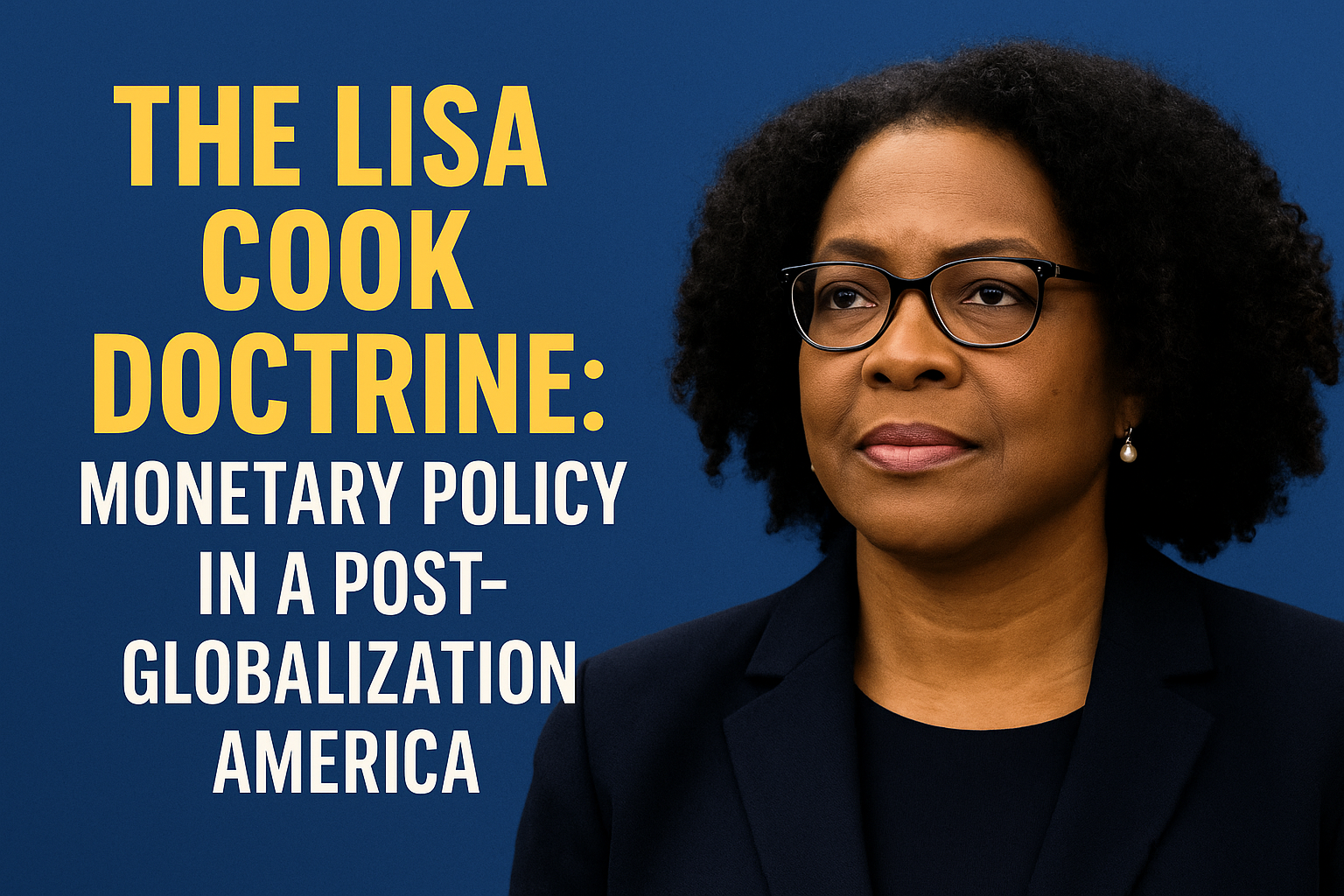
  • Fed Governor Lisa Cook Speech (12:00 PM ET)

The only African American woman on the Fed Board, Cook consistently advocates for equitable economics. Her remarks will likely address systemic financial exclusion and how monetary tools can close racial wealth gaps.


Sunday, May 25

  • Fed Chair Jerome Powell Commencement Address (2:40 PM ET)

Though ceremonial, Powell’s remarks will be widely covered. If he speaks to opportunity and equity, HBCUs and Black institutions can press for tangible follow-through in monetary policy and research funding.


HBCU Money Insight:
This week offers a mix of sobering and symbolic moments. With inflation slowing but economic indicators weakening, the question remains whether the Fed can pivot without sidelining Black workers, entrepreneurs, and institutions. For HBCUs and Black policymakers, these events are an opportunity to press for policy that doesn’t just stabilize the economy—but transforms who it works for.

This Week in the Economy: May 12–16, 2025

Analyzing the U.S. Economic Calendar Through the Lens of African American Economic Empowerment

Monday, May 12

  • Fed Governor Adriana Kugler Speech (10:25 AM ET)

As one of the more equity-conscious voices at the Fed, Kugler’s comments may offer insight into labor market inclusivity, which could impact hiring strategies for employers disproportionately excluding African Americans.

  • Monthly U.S. Federal Budget (Apr): $256B surplus (Prev: $210B)

A large budget surplus could be used to justify spending cuts or new investments—how these funds are allocated matters for programs that support HBCUs, Black entrepreneurs, and federal housing.


Tuesday, May 13

  • NFIB Small Business Optimism Index (Apr): 95.0 (Prev: 97.4)

A drop in small business optimism could spell trouble for Black-owned businesses, which often lack the capital buffers to weather economic uncertainty and are still recovering from pandemic-era losses.

  • CPI (Apr): +0.2%; Core CPI: +0.3%; Year-over-Year CPI: 2.3%

Persistently high core inflation affects Black households disproportionately due to a greater share of income going toward essentials like housing, transportation, and food.

  • Core CPI YoY: 2.8%

Stubbornly high underlying inflation can delay rate cuts, keeping mortgage and credit costs elevated for African Americans who often face discriminatory lending terms to begin with.


Wednesday, May 14

  • Fed Governor Christopher Waller Speech (5:15 AM ET)

Waller’s hawkish stance could reaffirm a longer path to rate cuts—an outcome that hits first-time Black homeowners and small business borrowers the hardest.

  • Fed Vice Chair Philip Jefferson Speech (9:10 AM ET)

As the first African American Vice Chair of the Fed, Jefferson’s tone on inflation and employment may subtly signal how equity remains—or doesn’t—in central bank calculus.

  • San Francisco Fed President Mary Daly Speech (5:40 PM ET)

Daly often focuses on labor dynamics; her speech may touch on wage growth disparities affecting marginalized workers, particularly in low-wage West Coast sectors with high Black labor participation.


Thursday, May 15

  • Initial Jobless Claims (May 10): 227,000 (Prev: 228,000)

Stable jobless claims offer some reassurance, but national averages often hide the reality of structurally higher unemployment among African Americans.

  • Retail Sales (Apr): +0.1%; Minus Autos: +0.3%

Weak retail sales growth could mean more economic pressure on Black-owned consumer-facing businesses already operating on slim margins.

  • PPI and Core PPI (Apr): +0.3%

Rising input costs will likely squeeze small Black manufacturers and food service providers who lack bargaining power or scale to pass costs to consumers.

  • Empire State Manufacturing Survey: -8.0 | Philly Fed Survey: -10.0

Negative regional manufacturing data signals contraction—a concern for Black industrial workers in Northeast metro areas and historically Black manufacturing communities.

  • Fed Chair Jerome Powell Speech (8:40 AM ET)

Powell’s remarks could influence rate outlooks for the summer—any resistance to easing could prolong financial constraints for HBCUs, Black mortgage borrowers, and startup financing.

  • Industrial Production (Apr): +0.1% | Capacity Utilization: 77.9%

Flat production and utilization may reflect sluggish economic momentum—bad news for African American labor tied to logistics, warehousing, and light industry.

  • Business Inventories (Mar): +0.2% | Home Builder Confidence Index (May): 40

Builders’ low confidence reflects high rates and material costs—both barriers to increasing Black homeownership and real estate entrepreneurship.

  • Fed Governor Michael Barr Speech (2:05 PM ET)

Barr’s speech on regulation could hold implications for Black banking institutions and credit access—especially relevant for CDFIs and MDIs (minority depository institutions).


Friday, May 16

  • Import Price Index (Apr): -0.4% | Minus Fuel: TBD

Lower import prices could ease inflation pressures slightly, but often offer limited direct benefit to African American consumers who are less engaged in the import/export economy.

  • Housing Starts: 1.36M | Building Permits: 1.45M

While housing construction remains steady, permits falling slightly could indicate future slowing—bad news for Black contractors, developers, and first-time homebuyers seeking new inventory.

  • Consumer Sentiment (Prelim, May): 53.0 (Prev: 52.2)

Consumer confidence remains low, and for African Americans—who already face economic pessimism due to historical exclusion—the weak sentiment may translate into reduced spending and investment hesitation.

African America’s April 2025 Jobs Report – 6.3%

Overall Unemployment: 4.2%

African America: 6.3%

Latino America: 5.2%

European America: 3.8%

Asian America: 3.0%

Analysis: European Americans unemployment rate rises slightly to 3.8 percent. Asian Americans decreased 50 basis points and Latino Americans increased 10 basis points from March, respectively. African America’s unemployment rate increased for the third straight month with a 10 basis points from March. African, European, and Latino Americans unemployment rates are at their highest over the past five months.

AFRICAN AMERICAN EMPLOYMENT REVIEW

AFRICAN AMERICAN MEN: 

Unemployment Rate – 5.6%

Participation Rate – 69.2%

Employed – 9,918,000

Unemployed – 586,000

African American Men (AAM) saw a decrease in their unemployment rate by 50 basis points in April. The group had a negligible decrease in their participation rate in April by 10 basis points. African American Men added 48,000 jobs in April and saw their unemployed drop by 55,000.

AFRICAN AMERICAN WOMEN: 

Unemployment Rate – 6.1%

Participation Rate – 61.2%

Employed – 10,262,000

Unemployed – 663,000

African American Women saw an increase by 100 basis points in April. The group increased their participation rate in April by 30 basis points. African American Women saw lost 38,000 jobs in April and saw their unmployed increase by 106,000. The number of African American Women employed is at a five month low and number of unemployed at a five month high.

AFRICAN AMERICAN TEENAGERS:

Unemployment Rate – 19.6%

Participation Rate – 28.3%

Employed – 610,000

Unemployed – 149,000

African American Teenagers unemployment rate decreased by 120 basis points. The group saw their participation rate decreased by 260 basis points in April. African American Teenagers saw their lost 45,000 jobs in April and saw their number of unemployed also decrease 23,000.

African American Men-Women Job Gap: African American Women currently have 344,000 more jobs than African American Men in April. This is a decrease from 430,000 in March. For the second straight month, this is the lowest ever reported gap by HBCU Money since we began tracking the data.

CONCLUSION: The overall economy added 177,000 jobs in April while African America lost 36,000 jobs. African American Women have shedded 304,000 jobs since February dropping their employed to the lowest number in the past five months for the second straight month. From New York Times, “U.S. employers added 177,000 jobs in April, the Labor Department reported on Friday. The unemployment rate was unchanged at 4.2 percent. Both numbers, which demonstrate that the U.S. labor market remains in good condition, are based on surveys taken in the immediate wake of the Trump administration’s move in early April to institute the highest level of tariffs on imports since the 1930s. The gain extended the streak of U.S. job growth to 52 months.”

Source: Bureau of Labor Statistics

This Week in the Economy: May 5–9, 2025

Analyzing the U.S. Economic Calendar Through the Lens of African American Economic Empowerment

Monday, May 5

  • S&P Final U.S. Services PMI (Apr): 51.0 (Prev: 51.4)
  • ISM Services Index (Apr): 50.4% (Prev: 50.8%)

A cooling services sector raises concerns for Black-owned businesses and workers concentrated in service-based industries. Marginal growth may mean tighter margins and slower hiring, especially in personal care, retail, and small hospitality—fields where many African American entrepreneurs and employees operate.


Tuesday, May 6

  • U.S. Trade Deficit (Mar): -$136.0B (Prev: -$122.7B)

The growing trade deficit highlights America’s deepening reliance on imports, reinforcing structural challenges for domestic manufacturing. This imbalance is particularly troubling for aspiring Black manufacturers and export-driven enterprises that struggle to compete with cheaper foreign supply chains and lack equitable access to capital or infrastructure.


Wednesday, May 7

  • FOMC Meeting & Fed Chair Powell Press Conference
  • Consumer Credit (Mar): $11.0B (Prev: -$800M)

The Federal Reserve’s direction this week is critical. Interest rate policy affects African American households disproportionately, with higher borrowing costs hitting hardest among those with lower credit scores and less generational wealth. A rise in consumer credit signals that families—many Black households included—may be increasingly relying on debt to maintain basic living standards amid inflation. The burden of debt is rising, not falling.


Thursday, May 8

  • Initial Jobless Claims (May 3): 230,000 (Prev: 241,000)
  • U.S. Productivity (Q1): -0.5% (Forecast: +1.5%)
  • Wholesale Inventories (Mar): +0.5% (Prev: +0.3%)

Jobless claims are stable, but national figures obscure racial disparities. Black unemployment remains consistently higher than average. Meanwhile, negative productivity numbers may point to slower wage growth—again affecting African American workers in roles offering limited career mobility. Rising wholesale inventories suggest slowing consumer demand, which could hit Black-owned consumer goods businesses that often operate without deep cash reserves.


Friday, May 9

  • Fed Governor Lisa Cook Speech (6:45 AM ET)
  • Multiple Fed Speakers Throughout Day

All eyes will be on Lisa Cook, the first Black woman on the Fed’s Board of Governors. Her remarks may provide valuable insight into how the central bank views labor market equity and inflation’s disproportionate impact on communities of color. The deluge of Fed speeches will shape interest rate sentiment and financial market reactions—affecting everything from mortgage rates for HBCU alumni to capital access for Black banks, credit unions, and small businesses.


HBCU Money Perspective:
This week’s economic events carry clear signals for the African American economy. Slower service sector growth, rising debt reliance, and stagnant productivity reinforce the need for systemic change—particularly in access to capital, support for Black manufacturing, and inclusive monetary policy. As Fed policy direction becomes clearer, HBCUs, Black-owned financial institutions, and policy advocates must prepare to assertively engage with these shifts to protect and grow Black wealth.