
“I am not African because I was born in Africa but because Africa was born in me.” – Kwame Nkrumah

Sometimes even HBCUs forget that they are part of a global building of the African Diaspora’s building of social, economic, and political interests. The building of that interests strengthened the more African Diaspora institutions connect our ecosystem together and circulate our SEP capital among each other. Too often we get hung up on America desires and forget African responsibilities. As is often the case, the women of the tribe bring give us a gentle reminder as to where our focus needs to be.
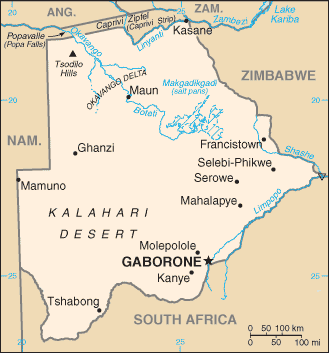
Enter, Howard University’s Volleyball team and their voyage across Africa. If you have not heard the story by now, the team had an opportunity to go abroad and voted on where they should go. The team it was said overwhelmingly voted to head to the Motherland – Botswana and Zimbabwe, specifically. It would take the team and supporters raising $60,000 to fund the trip for 16 players and 4 coaches. For many PWIs, this would be simply a matter of picking up the phone and calling any handful of boosters to fund the trip, but at HBCUs we know things work a bit different. However, we also know when we put our mind to something, there is often very little that can stop us and the HBCU community was in full support of such a journey. Needless to say, many HBCU shareholders felt invested in making such a trip happen for a number of reasons.
While there they would participate in tournaments against teams from each of the aforementioned countries. It was an athletic immersion, cultural immersion, and as any African American can attest to their first time in Africa – a spiritual immersion. Historically Black Colleges and Universities (HBCUs) play a crucial role in the education and empowerment of African American students. Strengthening relationships with Africa is not only beneficial for HBCUs but also fosters mutual growth, cultural exchange, and academic collaboration. Here are several key reasons why these relationships are important:
Here are seven reasons why it is vital for of HBCUs to build relationships with Africa:
1. Cultural Exchange and Understanding
Building connections with African institutions allows HBCUs to engage in cultural exchanges that enrich the educational experience for students and faculty alike. Exposure to African cultures, languages, and histories enhances the curriculum and fosters a deeper understanding of the shared heritage between African Americans and their African counterparts. This cultural immersion can lead to a greater appreciation for diversity within the African diaspora.
2. Academic Collaboration and Research Opportunities
Partnerships with African universities can facilitate collaborative research initiatives addressing global challenges, such as public health, environmental sustainability, and social justice. Joint programs and projects allow HBCU faculty and students to contribute to meaningful solutions while benefiting from shared knowledge and resources. This collaboration can enhance the academic reputation of HBCUs and provide valuable research opportunities for students.
3. Enhancing Global Competence
In an increasingly interconnected world, fostering relationships with African institutions helps HBCU students develop global competencies. Understanding the political, economic, and social dynamics of African nations equips students with the skills needed to navigate and contribute to a global society. This experience is invaluable in preparing them for careers in international relations, global business, and public policy.
4. Economic Development and Entrepreneurship
Collaborative efforts between HBCUs and African institutions can promote entrepreneurship and economic development in both regions. Initiatives such as exchange programs, business incubators, and investment partnerships can create pathways for HBCU graduates to engage with African markets. This can stimulate job creation and economic growth, benefiting both communities.
5. Strengthening the African Diaspora
HBCUs can play a pivotal role in strengthening the ties within the African diaspora. By building relationships with Africa, they can contribute to a more unified understanding of shared struggles and successes. This connection fosters solidarity among people of African descent, promoting collective action on issues such as social justice, education, and economic empowerment.
6. Creating Opportunities for Students
Establishing partnerships with African universities opens doors for HBCU students to participate in study abroad programs, internships, and service learning opportunities. These experiences not only enhance their education but also allow them to build networks and gain firsthand insights into different cultural and social contexts.
7. Promoting Research on African Issues
HBCUs can leverage their unique perspectives to conduct research that addresses challenges faced by African nations. By focusing on topics such as health disparities, education, and development, HBCUs can contribute valuable insights and innovative solutions that benefit both African communities and the global academic community.
The relationships between HBCUs and Africa are crucial for promoting cultural exchange, academic collaboration, and economic development. By fostering these connections, HBCUs can enhance their educational offerings, prepare students for a globalized world, and strengthen the ties within the African diaspora. Ultimately, these relationships can lead to mutual growth and a deeper understanding of the rich tapestry of African and African American histories and cultures. By nurturing this connection, African Americans can strengthen their identities, honor their histories, and collaborate with others in the diaspora to address shared challenges. This relationship ultimately enriches the African American experience and contributes to a more unified and empowered global community of people of African descent.
Disclosure: This article was assisted by ChatGPT.




 HBCU Money