Tag Archives: black women

African America’s November 2023 Jobs Report – 5.8%

OVERALL UNEMPLOYMENT: 3.9%

AFRICAN AMERICA: 5.8%

LATINO AMERICA: 4.6%

EUROPEAN AMERICA: 3.3%

ASIAN AMERICA: 3.5%

Analysis: Asian Americans were the only group to see an increase in their unemployment rate from October with a 40 basis point increase. European and Latino American both had decreases in their unemployment rate with a 20 basis point decrease for both groups from October.

AFRICAN AMERICAN UNEMPLOYMENT RATE BY GENDER & AGE

AFRICAN AMERICAN MEN: 6.4%

AFRICAN AMERICAN WOMEN: 4.8% 

AFRICAN AMERICAN TEENAGERS: 12.2%

AFRICAN AMERICAN PARTICIPATION BY GENDER & AGE

AFRICAN AMERICAN MEN: 69.2%

AFRICAN AMERICAN WOMEN: 63.6%

AFRICAN AMERICAN TEENAGERS: 31.6%

Analysis: African American Men and Women saw an increase and decrease in their unemployment rates by 110 and 50 basis points, respectively. African American Men saw a 170 basis point increase in their participation rate from October while African American Women had a 10 basis point decrease in their participation rate from October. African American Teenagers remain an extremely volatile group with their unemployment rate plummet by 660 basis points, but also seeing their participation rate increase by 60 basis points.

African American Men-Women Job Gap: African American Women currently have 890,000 more jobs than African American Men in November. This is a decrease from 970,000 in October.

CONCLUSION: The overall economy added 199,000 jobs in November while African America gained 264,000 jobs. From CNBC, “The data first raised concerns that the economy was running too hot for inflation to cool enough for the Fed to start retreating from its high-rates policy. Some traders expect the Fed to start cutting rates as early as next spring, with its latest policy meeting set for Wednesday.”

African America’s October 2023 Jobs Report – 5.8%

Overall Unemployment: 3.9%

African America: 5.8%

Latino America: 4.8%

European America: 3.5%

Asian America: 3.1%

Analysis: African Americans were the only group to see an increase in their unemployment rate from August with a 40 basis point increase. Asian and Latino American both had decreases in their unemployment rate with a 30 basis point decrease for both groups from August.

AFRICAN AMERICAN UNEMPLOYMENT RATE BY GENDER & AGE

African American Men: 5.3%

African American Women: 5.3% 

African American Teenagers: 18.8%

AFRICAN AMERICAN PARTICIPATION BY GENDER & AGE

African American Men: 67.5%

African American Women: 63.6%

African American Teenagers: 31.0%

Analysis: African American Men and Women both saw and increase and decrease in their unemployment rates by 60 and 20 basis points, respectively. African American Men saw a 20 basis point increase in their participation rate from August while African American Women had a 10 basis point decrease in their participation rate from August. African American Teenagers remain an extremely volatile group with their unemployment rate skyrocketing by 710 basis points, but also seeing their participation rate increase by 260 basis points. For African American Teenagers both unemployment rate and participation rate are at 5 month highs.

African American Men-Women Job Gap: African American Women currently have 970,000 more jobs than African American Men in October. This is a increase from 739,000 in September.

CONCLUSION: The overall economy added 150,000 jobs in October. African America lost 15,000 jobs in October. From CNN, “Last month’s job gains are the lowest since June, but there is a caveat: The October total reflects a 35,000-job decline in the manufacturing sector, specifically 33,200 jobs lost in the motor vehicles and parts industry. Those declines were largely attributed to strike activity.”

African America’s July 2023 Jobs Report – 5.8%

OVERALL UNEMPLOYMENT: 3.5%

AFRICAN AMERICAN: 5.8%

LATINO AMERICAN: 4.4%

EUROPEAN AMERICAN: 3.0%

ASIAN AMERICAN: 2.3%

Analysis: Latino Americans were the only group to see an increase in their unemployment rate from June with a 10 basis point increase. Asian American led all others with the largest decrease in unemployment rate with a 90 basis point decrease from June.

AFRICAN AMERICAN UNEMPLOYMENT RATE BY GENDER & AGE

AFRICAN AMERICAN MEN: 5.3%

AFRICAN AMERICAN WOMEN: 5.2% 

AFRICAN AMERICAN TEENAGE: 20.7%

AFRICAN AMERICAN PARTICIPATION BY GENDER & AGE

AFRICAN AMERICAN MEN: 68.3%

AFRICAN AMERICAN WOMEN: 63.0%

AFRICAN AMERICAN TEENAGE: 28.2%

Analysis: African American Men and Women both saw declines in their unemployment rates by 60 and 20 basis points, respectively. African American Men saw a 30 basis point increase in their participation rate from June while African American Women a marginal 10 basis point increase in their participation rate from June. African American Teenagers remain an extremely volatile group with their unemployment rate spiking by 510 basis points (bad news), but also seeing their participation rate decrease by 160 basis points (worse news).

African American Men-Women Job Gap: African American Women currently have 777,000 more jobs than African American Men in July. This is a decrease from 835,000 in June.

CONCLUSION: The overall economy added 187,000 jobs in July. African America added 94,000 jobs in July. From Yahoo Finance, “Job gains in July were the least since December 2020. Over the last year, job gains have now averaged 312,000 per month. Wages, a closely watched indicator of how much leverage workers are exerting in the labor market, rose more than expected last month, rising 0.4% on a monthly basis and 4.4% over last year. Economists expected wages to rise 0.3% over last month and 4.2% over last year.”

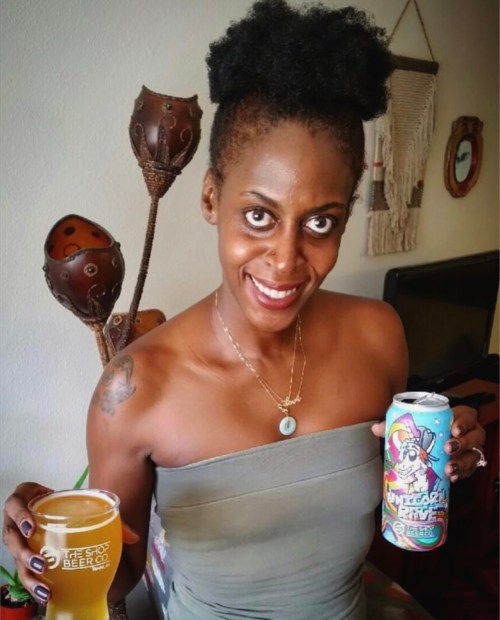
An Untapped Opportunity: African American Women’s Absence In The Craft Beer Industry

By Della Fain

There was a time when you thought of beer, it was a beverage to accompany you to picnics and ballparks. No one was doing anything innovative or creative with beer. Fast forward to now and crafted beer makes up 98 percent of all breweries in the U.S. This in no small part is due to the support of craft beer lovers. But who are these craft beer lovers?

In an industry that nets 107.6 billion dollars annually a 2014 survey conducted by Neilsen found that African Americans rank a minute 3.7 percent of all craft beer. And of that 3.7 percent, how many are Black women? To quote 702’s song “Where my girls at?” Now do not get me wrong, we are not non- existent and there are Black women in the industry as brewers, bloggers, owners, culture and lifestyle branders, but the numbers are minute. With society and lifestyle brands like Dope & Dank co-founded by a Black woman Beny Ashburn, who advocates diversity in the dank world of craft beer.

But in a decade of sustained growth, the craft industry has largely ignored minorities and in the past, diversity meant white women. And even today it only in a small part means men of color. So, where do we (African American women) fit in?

In 2017, Craftbeer.com listed 8 women in craft beer who are making a mark, and none were Black. No mention of Celeste Beatty, founder of The Harlem Brewing Company, or the fact that her beers are available in 39 Wal-marts across New York. In April of this year The Brewers Association, an organization dedicated to small and independent American brewers, named a Black woman J. Nikol Jackson-Beckham their first diversity ambassador. I tried unsuccessfully to interview Dr. Beckham about what a diversity ambassador does. Hopefully future dialogue about what diversity means in craft beer and what’s missing.

While recently watching a video of Alisa Bowens-Mercado the first African American woman brewing beer in Connecticut canning her own unfiltered lager named Rhythm I noticed she was the only woman of color present in the video. She is quoted as saying she would like to “see more women in the industry, more brewing, more women canning.”

Since craft beer has mainly been a white man’s game and only recently included men of color and even more recently white women, black women have a few hurdles to leap before we can be acknowledged and respected. The predominately boys club has also made it clear that they are not interested in our taste or opinions on beer unless a pair of breasts accompany it. So first we have to overcome sexism seals then race.

A lot of breweries do not even consider African American women as their consumer because Black women are not being seen drinking or purchasing craft beer. When I am in line for a can release I’m one of few women and the only Black woman in line. We do not feel included so we do not show our love for it and our opinion isn’t largely sought after because we aren’t present.

And finally, an issue I’ve seen with my growing presence on social media is lack of support to one another. I see our white counterparts trade, share, follow, repost and support one another on their craft beer journeys, but a huge lack of support amongst each other. Women are often pitted against each other in every facet and culture of life and the craft beer community is no different. I especially see it among black women. I say this having experienced more support, follows, shares, trades and paid appearances through white men. I see black men get together and have a guys weekend of comradery, fellowship and mutual love of craft beer. I know there are Black women who love craft beer, so how about we show the industry what we have to offer it. Cheers Black Women and if you see me, next rounds on me.

Della Fain is an Chitown native Arizona resident. Married mother of 3. She’s also a contributor to Bourbon Zeppelin giving bourbon barrel aged beer reviews. You can follow her on Instagram at @sixfeetofdynamite. 

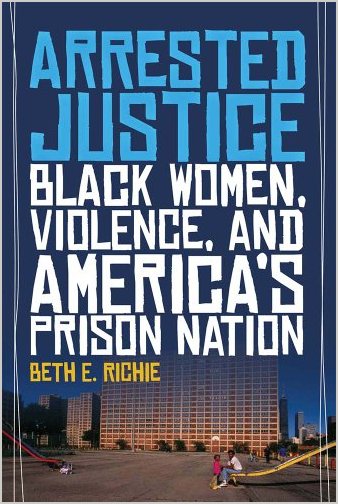
HBCU Money™ Business Book Feature – Arrested Justice: Black Women, Violence, and America’s Prison Nation

51B7d-2pL7L._BO2,204,203,200

Black women in marginalized communities are uniquely at risk of battering, rape, sexual harassment, stalking and incest. Through the compelling stories of Black women who have been most affected by racism, persistent poverty, class inequality, limited access to support resources or institutions, Beth E. Richie shows that the threat of violence to Black women has never been more serious, demonstrating how conservative legal, social, political and economic policies have impacted activism in the US-based movement to end violence against women. Richie argues that Black women face particular peril because of the ways that race and culture have not figured centrally enough in the analysis of the causes and consequences of gender violence. As a result, the extent of physical, sexual and other forms of violence in the lives of Black women, the various forms it takes, and the contexts within which it occurs are minimized at best and frequently ignored. Arrested Justice brings issues of sexuality, class, age, and criminalization into focus right alongside of questions of public policy and gender violence, resulting in a compelling critique, a passionate re-framing of stories, and a call to action for change.