Category Archives: Lifestyle

Currencies Of The African Diaspora – Cabo Verde

cv-map[1]
 
The economy is service-oriented with commerce, transport, tourism, and public services accounting for about three-fourths of GDP. This island economy suffers from a poor natural resource base, including serious water shortages exacerbated by cycles of long-term drought and poor soil for agriculture on several of the islands. Although about 40% of the population lives in rural areas, the share of food production in GDP is low. About 82% of food must be imported. The fishing potential, mostly lobster and tuna, is not fully exploited. Cabo Verde annually runs a high trade deficit financed by foreign aid and remittances from its large pool of emigrants; remittances supplement GDP by more than 20%. Despite the lack of resources, sound economic management has produced steadily improving incomes. Continued economic reforms are aimed at developing the private sector and attracting foreign investment to diversify the economy and mitigate high unemployment. Future prospects depend heavily on the maintenance of aid flows, the encouragement of tourism, remittances, and the momentum of the government’s development program. Cabo Verde became a member of the WTO in July 2008.
 
CV46S[1]
 
CVERSPEO[1]
 
CV63[1]
 
CV54[1]
 
Cv-c1[1]
 

Source: Economy overview provided by CIA Factbook

HBCU Money™ Histronomics: Martin Luther King, Jr’s Telegram To Betty Shabazz (Malcolm X’s Death)

Screen shot 2014-01-14 at 9.02.58 AM

Mrs. Malcolm X

Faith Temple Church

Harlem

New York, New York

FEB 26 1965

I was certainly saddened by the shocking and tragic assassination of your husband. While we did not always see eye to eye on methods to solve the race problem, I always had a deep affection for Malcolm and felt that he had the great ability to put his finger on the existence and root of the problem. He was an eloquent spokesman for his point of view and no one can honestly doubt that Malcolm had a great concern for the problems that we face as a race. While I know that this is a difficult hour for you, I am sure that God will give you the strength to endure. I will certainly be remembering you in my prayers and please know you have my deepest sympathy. Always consider me a friend and if I can do anything to ease the heavy load you are forced to carry at this time, please feel free to call on me.

Martin Luther King, Jr.

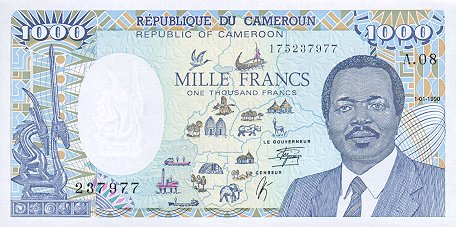
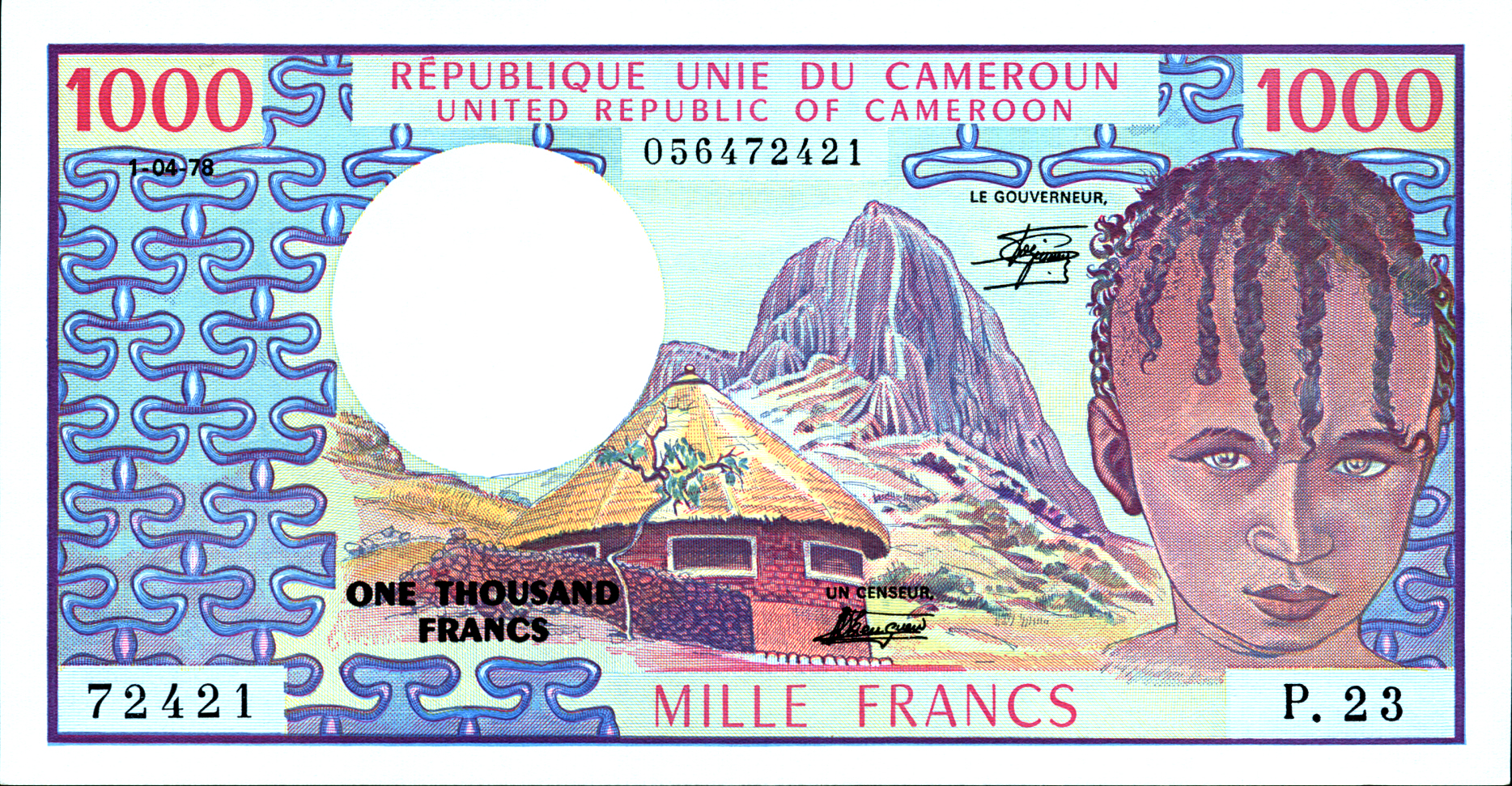
Currencies Of The African Diaspora – Cameroon

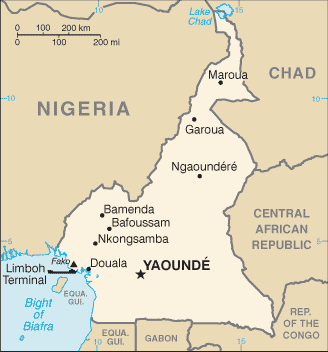
cm-map

Because of its modest oil resources and favorable agricultural conditions, Cameroon has one of the best-endowed primary commodity economies in sub-Saharan Africa. Still, it faces many of the serious problems confronting other underdeveloped countries, such as stagnant per capita income, a relatively inequitable distribution of income, a top-heavy civil service, endemic corruption, and a generally unfavorable climate for business enterprise. Since 1990, the government has embarked on various IMF and World Bank programs designed to spur business investment, increase efficiency in agriculture, improve trade, and recapitalize the nation’s banks. The IMF is pressing for more reforms, including increased budget transparency, privatization, and poverty reduction programs. Subsidies for electricity, food, and fuel have strained the budget. Cameroon recently began several large infrastructure projects, including a deep sea port in Kribi, a natural gas powered electricity generating plant, and several hydroelectric dams. Cameroon must attract more investment to improve its inadequate infrastructure, but its business environment is a deterrent to foreign investment.

cameroonfranc

Cameroun-1974-500-Francs-P15b-F

Billet_de_banque_cameroun

519-913

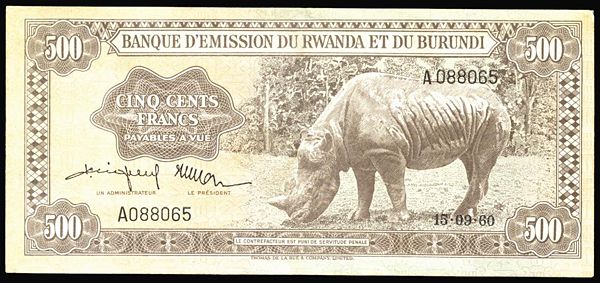
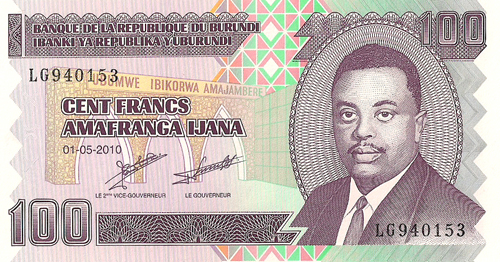
Currencies Of The African Diaspora – Burundi

by-map

Burundi is a landlocked, resource-poor country with an underdeveloped manufacturing sector. The economy is predominantly agricultural; agriculture accounts for just over 30% of GDP and employs more than 90% of the population. Burundi’s primary exports are coffee and tea, which account for 90% of foreign exchange earnings, though exports are a relatively small share of GDP. Burundi’s export earnings – and its ability to pay for imports – rests primarily on weather conditions and international coffee and tea prices. An ethnic-based war that lasted for over a decade resulted in more than 200,000 deaths, forced more than 48,000 refugees into Tanzania, and displaced 140,000 others internally. Only one in two children go to school, and approximately one in 15 adults has HIV/AIDS. Food, medicine, and electricity remain in short supply. Less than 2% of the population has electricity in its homes. Burundi’s GDP grew around 4% annually in 2006-12. Political stability and the end of the civil war have improved aid flows and economic activity has increased, but underlying weaknesses – a high poverty rate, poor education rates, a weak legal system, a poor transportation network, overburdened utilities, and low administrative capacity – risk undermining planned economic reforms. The purchasing power of most Burundians has decreased as wage increases have not kept up with inflation. Burundi will remain heavily dependent on aid from bilateral and multilateral donors – foreign aid represents 42% of Burundi”s national income, the second highest rate in Sub-Saharan Africa. Burundi joined the East African Community in 2009, which should boost Burundi’s regional trade ties, and also in 2009 received $700 million in debt relief. Government corruption is hindering the development of a healthy private sector as companies seek to navigate an environment with ever changing rules.

600px-Rwanda-Burundi_1960_500_francs_obv_Ponterio_151-7053

d22119

BI30

bif-20-burundi-francs-2

burundi-2006-circulating-coins

Source: Economy overview provided by CIA Factbook
Currencies Of The African Diaspora – Burkina Faso

uv-map

Burkina Faso is a poor, landlocked country that relies heavily on cotton and gold exports for revenue. The country has few natural resources and a weak industrial base. About 90% of the population is engaged in subsistence agriculture, which is vulnerable to periodic drought. Cotton is the main cash crop. Since 1998, Burkina Faso has embarked upon a gradual privatization of state-owned enterprises and in 2004 revised its investment code to attract foreign investment. As a result of this new code and other legislation favoring the mining sector, the country has seen an upswing in gold exploration and production. By 2010, gold had become the main source of export revenue. Gold mining production doubled between 2009 and 2010. Two new mining projects were launched in the third quarter of 2011. Local community conflict persists in the mining and cotton sectors, but the Prime Minister has made efforts to defuse some of the economic cause of public discontent, including announcing income tax reductions, reparations for looting victims, and subsidies for basic food items and fertilizer. An IMF mission to Burkina Faso in October 2011 expressed general satisfaction with the measures. The risk of a mass exodus of the 3 to 4 million Burinabe who live and work in Cote d’Ivoire has dissipated, and trade, power, and transport links are being restored. Burkina Faso experienced a severe drought in 2011, which decimated grazing land and decreased harvests, creating food insecurity and damaging the country’s agricultural base.

WAS303C

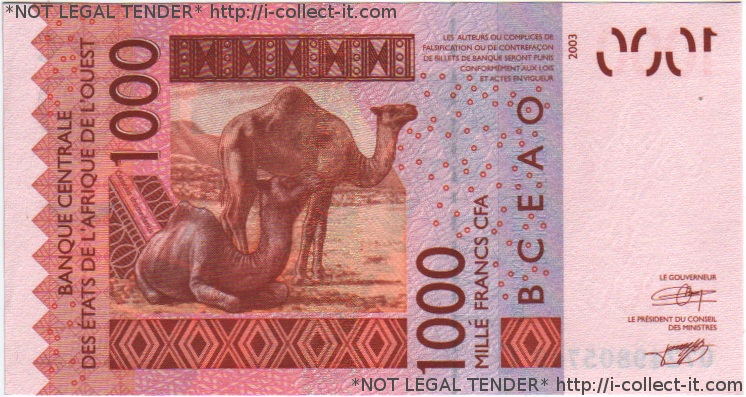
Burkina Faso 1000 Franc 2003.300dpi

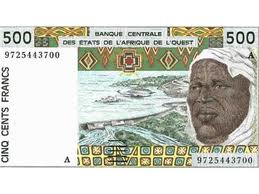
images

Movement Picture

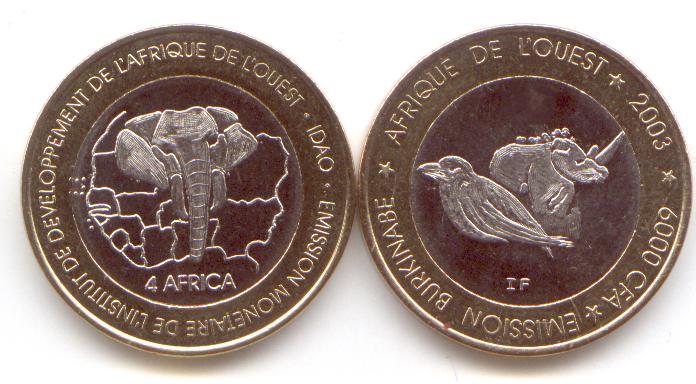
buf-6000

Source: Economy overview provided by CIA Factbook