
“And we’re in the business of being in business, and we’re doin’ business.” – “Monty” Brewster
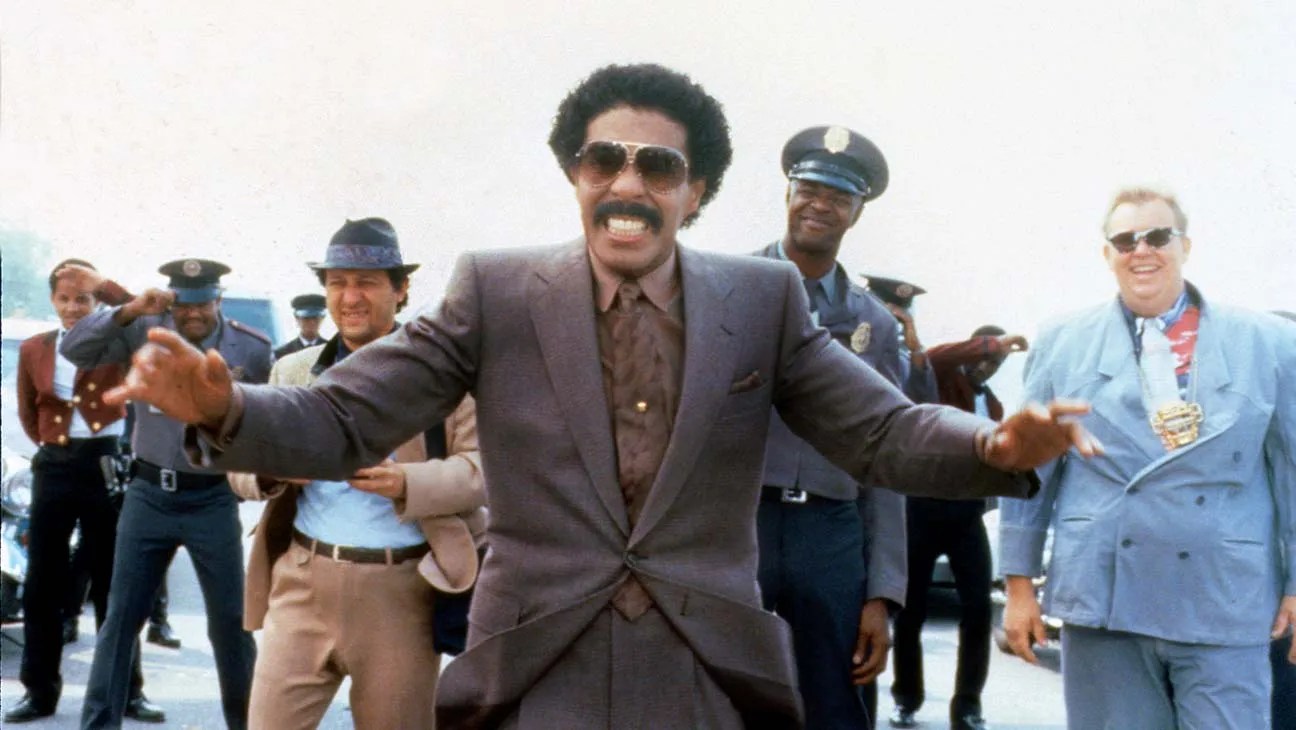
The 1985 film Brewster’s Millions, starring Richard Pryor as Montgomery “Monty” Brewster, tells the story of a man who must spend $30 million in 30 days without accumulating assets or informing anyone of his goal in order to inherit $300 million. Adjusted for inflation, Brewster’s $30 million would be approximately $85 million in today’s dollars, while the $300 million inheritance would be worth over $850 million. While Monty’s spending spree involved extravagant parties, failed investments, and creative tactics to burn through cash, the film missed an opportunity to showcase meaningful economic empowerment strategies. By directing his wealth toward African American businesses, Monty could have positively impacted communities while still meeting the conditions of the challenge. This article outlines how Brewster could have spent his fortune effectively within the African American business ecosystem.
- Investing in Education, Arts, and Wellness for African American Communities ($1.5 million or $4.25 million in today’s dollars)
Monty Brewster could have channeled a portion of his funds toward HBCUs, African American arts organizations, and health initiatives. These institutions play a vital role in developing African American leadership, entrepreneurship, and cultural advancement. Brewster could have funded scholarships, financed infrastructure improvements, or supported specialized academic programs such as business incubation centers. Additionally, Brewster could have become a major patron of African American artists, musicians, and cultural organizations. Funding live performances, commissioning murals and sculptures, or sponsoring large-scale cultural events would have allowed him to inject cash into the creative sector while meeting the requirement to spend without accumulating lasting assets.
Health disparities have historically affected African American communities. Brewster could have supported Black-owned health clinics, funded wellness programs, or launched temporary mental health outreach initiatives. Sponsoring community health fairs and free medical check-up events could have aligned with his spending goals. To adhere to his challenge’s constraints, Brewster is limited charitable giving to $1.5 million. Within that budget, he could have made substantial contributions to civil rights organizations such as the National Center for Black Family Life, Black Teacher Project, and African American Credit Union Coalition. Funding advocacy campaigns, legal defense funds, and educational outreach programs would have ensured his spending aligned with causes that strengthen social equity. By underwriting public awareness campaigns or supporting temporary voter registration drives, he could have spent large sums while advancing civil rights initiatives.
- Supporting African American Media Companies ($4 million or $11.3 million in today’s dollars)
The media landscape has historically marginalized African American voices. Brewster could have spend money in Black-owned newspapers, radio stations, and production companies. By purchasing advertising space, sponsoring TV segments, or funding film productions that amplify African American stories, he could have spent millions while strengthening the narrative control of the community. This would have been especially true when he ran for mayor of New York City with his “None Of The Above” campaign which allows him to burn through millions.
- Empowering African American-Owned Interior Designers ($3 million or $8.5 million in today’s dollars)
Instead of investing in real estate projects with limited long-term impact, Brewster could have hired African American-owned interior design firms to revamp commercial spaces, restaurants, and event venues. Funding redesigns for offices, galleries, or retail spaces would have allowed him to spend significant amounts quickly while showcasing Black creative talent. Partnering with these designers to create temporary installations, pop-up exhibits, or themed public events would further align with Brewster’s spending objectives.
- Supporting Black-Owned Restaurants and Hospitality ($5 million or $14.2 million in today’s dollars)
Instead of squandering money on excessive parties with little social value, Brewster could have organized lavish gatherings catered exclusively by Black-owned restaurants, breweries, and event-planning companies. Hosting galas, networking events, or concerts powered by African American businesses would have rapidly spent millions while empowering these enterprises. Additionally, Brewster could have pre-paid months of reservations at Black-owned hotels for conferences, weddings, and events that celebrate Black culture.

- Promoting and Empowering African American Entrepreneurs in Technology ($4 million or $11.3 million in today’s dollars)
During the 1980s, technology was emerging as a transformative industry. Brewster could have directed funds to African American inventors, tech startups, and computer training programs. Sponsoring computer literacy drives in underserved neighborhoods, purchasing computers for community centers, or funding coding boot camps would have injected significant capital into this sector without violating the “no assets” condition. Additionally, Brewster could have launched a series of pitch competitions or startup grant programs to fund Black entrepreneurs. By awarding no-strings-attached grants to aspiring business owners, Brewster could have circulated his funds directly into the hands of innovative minds in the community. Creating a “Brewster’s Millionaire Fund” for new ventures would have established a lasting narrative of empowerment.
- Financing Black-Owned Transportation Companies ($4 million or $11.3 million in today’s dollars)
Brewster’s challenge required rapid cash outflows. He could have achieved this by chartering fleets of Black-owned transportation services, including buses, limousines, and taxis. Organizing free ride programs, senior citizen transport services, or back-to-school bus initiatives would have ensured meaningful community impact while fulfilling the spending requirements.
- Sponsoring Sports Teams in the African American Community ($4.5 million or $12.7 million in today’s dollars)
In the film, Brewster splurged on funding a struggling baseball team. He could have expanded this vision by sponsoring youth sports leagues, purchasing uniforms from Black-owned apparel companies, and financing travel expenses for underserved teams. By supporting athletics in underserved communities, he would have combined financial impact with social good.
- Creating Pop-Up Markets and Retail Experiences ($4 million or $11.3 million in today’s dollars)
To rapidly circulate cash, Brewster could have sponsored temporary markets that featured Black-owned businesses. By covering booth fees, marketing costs, and other overhead expenses, he could have injected cash into dozens of retail entrepreneurs. Such events would celebrate local artisans, designers, and vendors while creating a meaningful economic impact.
Monty Brewster’s dilemma of spending $30 million in 30 days presented a unique opportunity to create lasting change. By investing heavily in African American businesses, nonprofits, and community initiatives, Brewster could have met his goal while strengthening economic power in marginalized communities. Such a storyline would not only have showcased Brewster’s ingenuity but also highlighted the immense potential of targeted investment to uplift communities. If Hollywood ever revisits Brewster’s Millions, perhaps they will reimagine his spending spree as a transformative journey of economic empowerment.
 HBCU Money