
“Challenges make you discover things about yourself that you never really knew.” — Cicely Tyson
When you encounter most HBCU alumni regarding their athletic programs they all desire to be a football powerhouse. They believe that this will lead to a land of riches and honey. At the core of this delusion though is that the wealth gap between P5 athletics boosters and HBCU boosters larger than the wealth gap between is greater than the southern most tip of Florida to upstate New York. Phil Knight, University of Oregon booster and Nike owner, has a net worth of $35 billion. Oprah Winfrey is the wealthiest African American HBCU alumni with a net worth of $3 billion and the last we checked does not act as a booster to her alma mater. Meanwhile, Phil Knight in 2012 alone built the University of Oregon football team a facility to the tune of almost $70 million – and got the state legislature to amend a law to make the building legal since it ran afoul of code. But many HBCU alumni believe that if we get the “talent” to come “home” it will level the playing field. It will not. It is exhausting even explaining that the wealthy of many major athletic programs has more to do with the PWI developing and graduating entrepreneurs like Phil Knight who go on to create multibillion firms and therefore have millions to give back than whatever latest 18 year old recruit they have snagged. For greater context, Phil Knight’s building donation is almost 4X Prairie View A&M University’s athletic budget, the highest among all HBCUs.
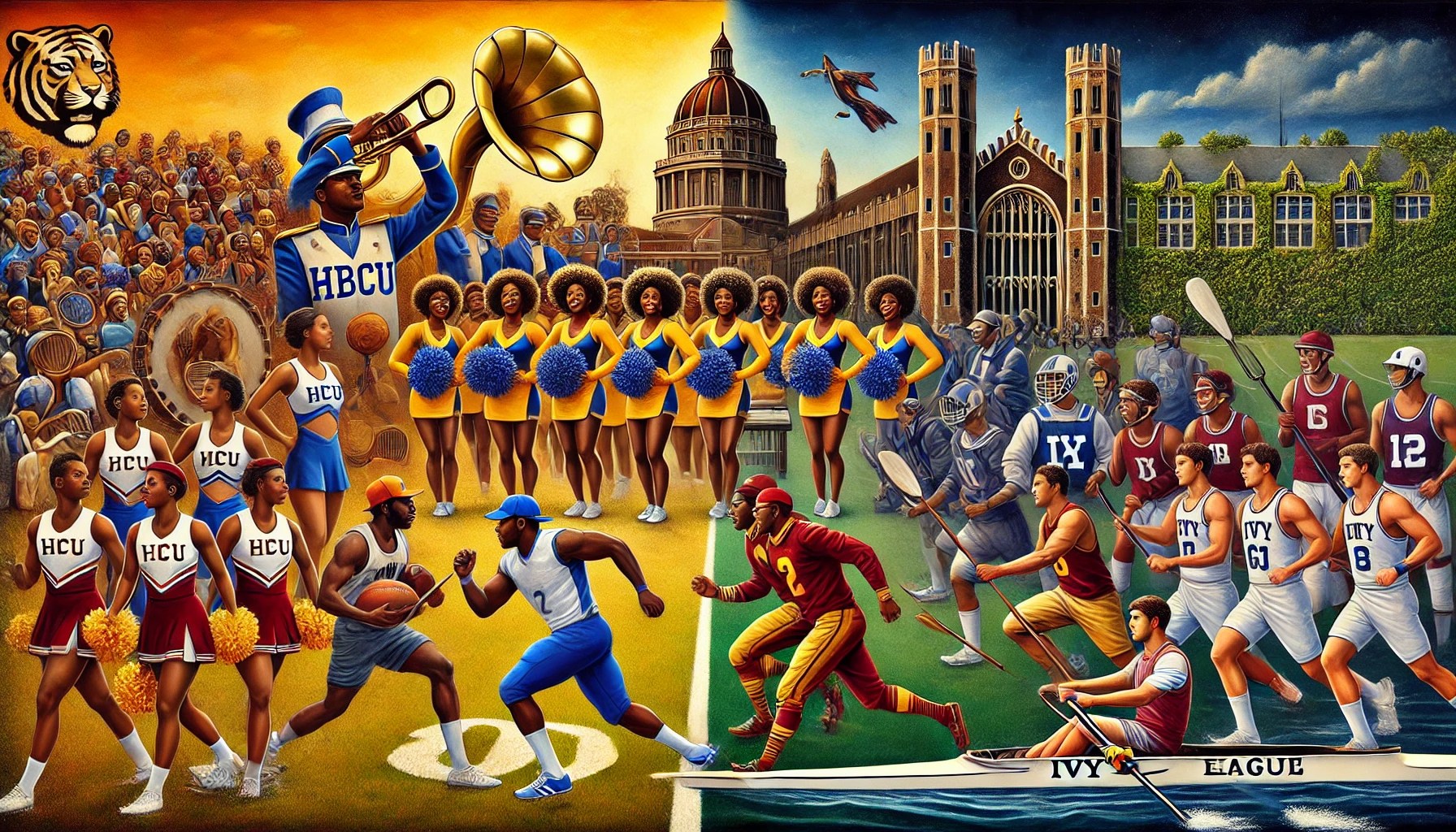
In our last SWAC/MEAC Financial Review, the two conferences combined for a loss of over $160 million in 2019-2020 if you took away their subsidies (and even with subsidies the two conferences were in the red). These $150 million in subsidies largely coming in the form of student loan fees which for most HBCUs means students packing on student loans for the sake of athletics. Something infuriating when you consider over 90 percent of HBCU students finish with student loan debt versus less than half that amount at Top 50 endowed schools, many who play DIII football or have no football program at all. That is $150 million in subsidies that could be going to scholarships, research, investments, and so many more things that produce an actual return on investment is an understatement. The idea though that HBCUs could try an athletic model that does not aspire to be P5 (no major television contracts are coming either) seems to be lost on all HBCU athletic leadership and alumni. But what if instead of focusing on the P5 schools, we instead focused on the Ivy League’s athletic model.
The Ivy League athletic model is characterized by its emphasis on academic excellence, limited athletic scholarships, and a focus on holistic student development. As historically Black colleges and universities (HBCUs) contemplate their athletic strategies, the potential adaptation of the Ivy League model raises important questions, especially concerning financial resources, alumni support, and institutional missions. Here’s a closer look at several key factors:
Financial Context: Endowments and Alumni Giving
HBCU Endowments: HBCUs generally have lower endowments compared to their Ivy League counterparts. For example, the average endowment for an HBCU is around $100 million, while top Ivy League schools like Harvard have endowments exceeding $50 billion. This significant disparity in financial resources impacts the ability of HBCUs to fund athletic programs and support student-athlete scholarships.
Ivy League Endowments: The Ivy League’s strong financial standing allows for extensive investments in athletics, facilities, and academic resources. Schools like Yale and Princeton have endowments of over $25 billion, which provide them with a substantial financial cushion to support a holistic student-athlete experience.
Alumni Giving Rates: HBCUs face challenges with alumni giving. For instance, HBCUs have an average alumni giving rate of about 15-20%, whereas Ivy League schools boast rates often exceeding 50%. This higher giving rate in the Ivy League reflects a stronger tradition of alumni engagement and philanthropic support, which is critical for sustaining athletic and academic programs.
Research Budgets and Institutional Support
HBCU Research Budgets: Research funding at HBCUs is generally lower than that of Ivy League institutions. While some HBCUs, like Howard University, receive substantial federal research grants, many others struggle to secure consistent funding. For instance, HBCUs collectively received approximately $1.5 billion in research funding in 2019, a fraction of what Ivy League schools secure annually.
Ivy League Research Funding: In contrast, Ivy League institutions benefit from robust research budgets, with individual schools like Johns Hopkins receiving over $2 billion in annual research funding. This financial backing enhances their ability to integrate athletics with academic resources, providing student-athletes with more comprehensive support.
Holistic Development and Community Engagement
The Ivy League model emphasizes the development of well-rounded individuals. HBCUs share a similar mission of producing leaders who are socially conscious and community-oriented. Adopting the Ivy model’s focus on holistic development could resonate well with HBCUs’ core values. This approach can enhance student engagement and create a strong support system for athletes.
Influence of Ivy League Billionaires
The presence of wealthy alumni, often referred to as “Ivy League billionaires,” contributes significantly to the financial health of Ivy institutions. Notable alumni from Ivy League schools frequently engage in philanthropy, enhancing the schools’ resources for academics and athletics. HBCUs lack a comparable number of affluent alumni, which affects their fundraising potential and overall financial sustainability.
Potential Challenges and Considerations
Implementing the Ivy League model in HBCUs presents both opportunities and challenges:
- Funding Limitations: The financial constraints of HBCUs compared to Ivy League schools necessitate a tailored approach. Without significant endowment and alumni support, fully adopting a no-athletic-scholarship model could limit HBCUs’ competitiveness in attracting top athletic talent.
- Cultural Fit: The cultural and historical contexts of HBCUs differ significantly from those of Ivy League schools. Any model adopted must align with the unique missions and student populations of HBCUs.
While the Ivy League athletic model offers valuable insights into promoting academic achievement and holistic development, its application in HBCUs would require careful adaptation. Financial disparities in endowments, alumni giving, and research funding pose significant challenges. However, by focusing on the integration of academic and athletic excellence while fostering community engagement and support, HBCUs can create a unique model that reflects their values and enhances student success both on and off the field.
In the end, HBCUs have to accept the realities on the ground. We have tried chasing the golden ticket of athletics only to find out time and time again it is fool’s gold. It is not the thing that will alter the financial realities of our institutions. If anything it may be the thing that causes their failure as a looming admissions’ crisis is looming across all of American higher education and without a lot of dry powder on hand many institutions will easily go the way of the Dodo bird. It is time to think differently, think acutely, and chart a path that maybe uncomfortable or not what we originally imagined but will ensure the existence, sustainability, and success for future HBCU generations.
Disclosure: This was written with the assistance of ChatGPT.
 HBCU Money