
Monthly Archives: March 2024

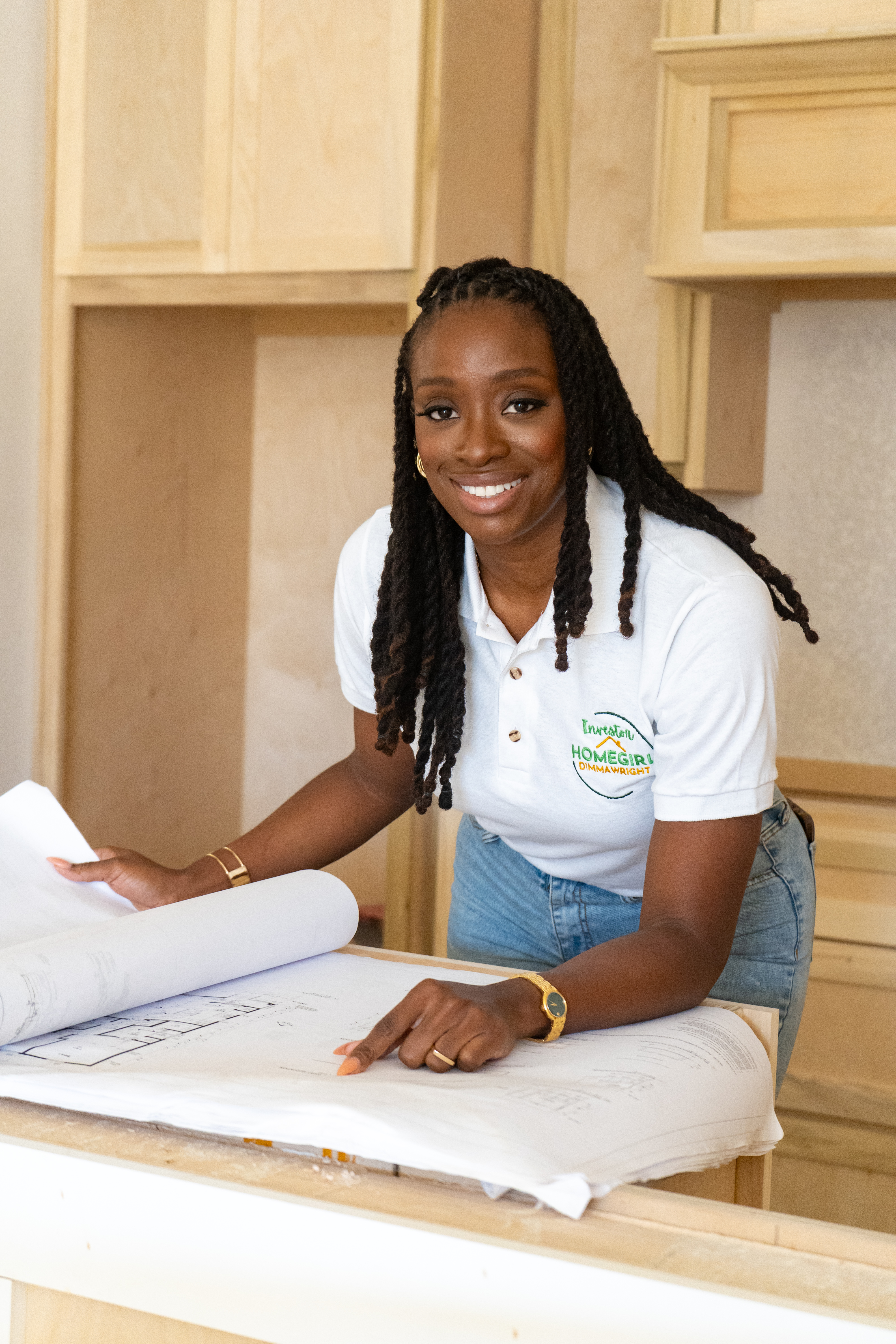
The HBCUpreneur Corner – Florida A&M University’s Dimma Wright & Dimma Wright Real Estate Consulting

Name: Dimma Wright

Alma Mater: Florida A&M University

How long have you been in real estate investment? 6 years

What has been the most exciting and/or fearful moment during your HBCUpreneur career? The moment I decided to leave my full time job as a senior physical therapist at a top tier hospital and become a full time entrepreneur and manifest my destiny!

What made you want to start real estate investing? I wanted to create wealth and have the freedom with my time to spend it how I wanted. 

How do you handle complex problems? I simplify them to the basics on what is necessary to complete first then move to the least and unimpactful item last.

Who was the most influential person/people for you during your time in college? My professors, they were always encouraging and talked real life aspects to prepare me for the real world outside of school.

What is something you wish you had known prior to your first real estate investment? That I should have started investing in real estate ever since I was working and living at home with my mother after I graduated.  I didn’t have to have all the pieces in place before I started.

Would you advise someone to buy a primary home or investment property first? I would advise them to do both.  A primary home can be utilized to be your investment property, can house hack with a duplex or a single family home large enough to rent out rooms if you desired.  Or purchase a primary home that allows you to save for down payment to another investment property or home to move into and rent your current one out.
What is one current trend in real estate investing, and how can investors take advantage of it?  The updated fannie mae conventional loan to buy a multi-family (2-4 door unit), allows 5% down payment. Before it required 20-25% down payment, that is why all opted for FHA 3.5% down payment, now you can scale to more properties as a primary residence without having to refinance out of FHA loan every year or so.

Artificial Intelligence is everywhere and its presence in real estate is certainly likely to grow like everywhere else. How do you see it impacting real estate investing in particular? I would want it to underwrite a deal for me quick and fast or I upload a video of the house and it tells me all the repairs needed and estimated costs, that would be cool.

Do you see any potential headwinds that maybe facing real estate investors in the near future? No, true investors learn to adapt in any environment and any obstacle.  As long as your mind is right, you will persevere.

Is there anything you read or follow in order to stay an informed real estate investor?  I listen to podcasts all on the real estate subject, I take webinars and active at different networking events.

How do you believe HBCUs can help spur more aptitude for understanding real estate investment while their students are in school either as undergraduate or graduate students? I would say to offer more financial literacy courses, help students to understand you can make money but if you are not smart with those decisions Uncle Sam and bad habits will leave you with nothing.  Also, to understand all the different taxes that come out of paycheck, it helps to offset extra money with an llc.

How do you deal with rejection? I smile and say thank you for your time.

When you have down time how do you like to spend it? I spend it being harassed by my kids and/or watching movies.

What was your most memorable HBCU memory? I met my husband at a local nightclub in Tallahassee. He was also at FAMU grad school, different major than me.

Lastly, is there any advice you have for budding HBCUpreneurs in real estate? Discipline leads to habits, habits lead to consistency, consistency leads to growth.  Changing your mindset will open more doors for you!

Which HBCU/PBI State Is Winning At Renewable Energy Production?

It is no secret that the world is moving towards a stronger reliance on renewable energy*, but there is a swath of the country that is moving extremely slow to embrace it. That swath is dominated by HBCU/PBI states who still dominantly prefer a traditional energy mix. The move towards renewable energy though is inevitable. This is both for environmental and economic reasons. To the latter, there is a massive investment and entrepreneurship opportunity available to HBCUpreneurs who want to help grow and cultivate the space in their respective states. American Association of Blacks In Energy (AABE) President Ralph Cleveland shared the following thoughts, “We will not meet the demands of energy transformation and climate change without Black institutions. This partnership reinforces the critical role HBCUs play in shaping the face of energy talent, development, and design. Not only do we need to create pathways to the C-Suite but we also need to activate our rich networks for a more inclusive energy ecosystem.” While we agree HBCUs need to create pathways to the C-Suite, we also believe the easiest and most economically empowering path there is to have HBCUs and HBCUpreneurs be the vanguard in creating renewable energy startups as highlighted in The Green Program’s ”19 Black Leaders on the Forefront of Clean Energy’ article. The power in energy like everything else is ultimately in the ownership.

HBCU Money took data from Yale Climate Connections and drilled down to the states that have HBCUs and PBIs located in them to see how the states where African America and its institutions are and will be impacted by the current energy mix in their state and also to highlight the opportunities that lay ahead as well. “Important note: The map shows electricity production within each state’s borders. Many states and utility companies exchange electricity with other states. So this data may not reflect the energy that is actually consumed — as opposed to generated — within each state.”

Why is nuclear not considered a renewable? National Grid states, “Nuclear fuels, such as the element uranium, are not considered renewable as they are a finite material mined from the ground and can only be found in certain locations.”

HIGHLIGHTS:

  • The average HBCU/PBI state has renewable energy of 12% average and 9% median, respectively.
  • Wind supplies the highest average renewable energy at 5% overall and hydropower supplies the highest median energy at 3% overall.
  • Oklahoma, the overall leader, is also the leader in wind energy with 41% of its energy coming from wind.
  • New York is the hydropower leader among HBCU/PBI states with 23% of its energy mix coming from water.
  • California is the solar power leader among HBCU/PBI states with 19% of its energy mix coming from the sun.
  • Only 6 of the 23 states have a double digit renewable energy source in their energy mix. Oklahoma, California, New York, Texas, Tennessee, Illinois.

OKLAHOMA

Renewable Electricity Generation: 44%

Renewable Rank Among All 50 States: 10th

Coal: 14%

Fossil Gas: 42%

Nuclear: 0%

Hydro: 3%

Wind: 41%

Solar: 0%

CALIFORNIA

Renewable Electricity Generation: 36%

Renewable Rank Among All 50 States: 13th

Coal: 0%

Fossil Gas: 47%

Nuclear: 9%

Hydro: 8%

Wind: 8%

Solar: 19%

NEW YORK

Renewable Electricity Generation: 28%

Renewable Rank Among All 50 States 16TH

Coal: 0%

Fossil Gas: 45%

Nuclear: 25%

Hydro: 23%

Wind: 3%

Solar: 1%

TEXAS

Renewable Electricity Generation: 26%

Renewable Rank Among All 50 States: 18th

Coal: 20%

Fossil Gas: 44%

Nuclear: 9%

Hydro: 0%

Wind: 23%

Solar: 3%

MASSACHUSETTS

Renewable Electricity Generation: 15%

Renewable Rank Among All 50 States: 22ND

Coal: 0%

Fossil Gas: 76%

Nuclear: 0%

Hydro: 6%

Wind: 1%

Solar: 8%

TENNESSEE

Renewable Electricity Generation: 15%

Renewable Rank Among All 50 States: 23RD

Coal: 23%

Fossil Gas: 16%

Nuclear: 46%

Hydro: 14%

Wind: 0%

Solar: 0%

NORTH CAROLINA

Renewable Electricity Generation: 13%

Renewable Rank Among All 50 States: 26th

Coal: 16%

Fossil Gas: 37%

Nuclear: 34%

Hydro: 5%

Wind: 0%

Solar: 8%

ILLINOIS

Renewable Electricity Generation: 11%

Renewable Rank Among All 50 States: 28TH

Coal: 23%

Fossil Gas: 11%

Nuclear: 54%

Hydro: 0%

Wind: 11%

Solar: 0%

INDIANA

Renewable Electricity Generation: 10%

Renewable Rank Among All 50 States: 30TH

Coal: 61%

Fossil Gas: 29%

Nuclear: 0%

Hydro: 0%

Wind: 9%

Solar: 1%

ALABAMA

Renewable Electricity Generation: 9%

Renewable Rank Among All 50 States: 32ND   

Coal: 20%

Fossil Gas: 38%

Nuclear: 33%

Hydro: 8%

Wind: 0%

Solar: 0%

MARYLAND

Renewable Electricity Generation: 9%

Renewable Rank Among All 50 States: 33RD  

Coal: 14%

Fossil Gas: 36%

Nuclear: 40%

Hydro: 6%

Wind: 1%

Solar: 2%

MICHIGAN

Renewable Electricity Generation: 8%

Renewable Rank Among All 50 States: 34TH  

Coal: 33%

Fossil Gas: 26%

Nuclear: 30%

Hydro: 1%

Wind: 7%

Solar: 0%

ARKANSAS

Renewable Electricity Generation: 7%

Renewable Rank Among All 50 States: 35TH  

Coal: 36%

Fossil Gas: 34%

Nuclear: 23%

Hydro: 7%

Wind: 0%

Solar: 1%

GEORGIA

Renewable Electricity Generation: 7%

Renewable Rank Among All 50 States: 36TH  

Coal: 16%

Fossil Gas: 47%

Nuclear: 29%

Hydro: 3%

Wind: 0%

Solar: 0%

KENTUCKY

Renewable Electricity Generation: 7%

Renewable Rank Among All 50 States: 37th  

Coal: 72%

Fossil Gas: 21%

Nuclear: 0%

Hydro: 7%

Wind: 0%

Solar: 0%

VIRGINIA

Renewable Electricity Generation: 5%

Renewable Rank Among All 50 States: 39TH  

Coal: 3%

Fossil Gas: 58%

Nuclear: 31%

Hydro: 1%

Wind: 0%

Solar: 4%

SOUTH CAROLINA

Renewable Electricity Generation: 5%

Renewable Rank Among All 50 States: 40th  

Coal: 16%

Fossil Gas: 24%

Nuclear: 56%

Hydro: 3%

Wind: 0%

Solar: 2%

FLORIDA

Renewable Electricity Generation: 4%

Renewable Rank Among All 50 States: 43RD   

Coal: 8%

Fossil Gas: 75%

Nuclear: 12%

Hydro: 0%

Wind: 0%

Solar: 4%

LOUISIANA

Renewable Electricity Generation: 2%

Renewable Rank Among All 50 States: 47TH   

Coal: 11%

Fossil Gas: 57%

Nuclear: 24%

Hydro: 2%

Wind: 0%

Solar: 0%

DELAWARE

Renewable Electricity Generation: 2%

Renewable Rank Among All 50 States: 49TH   

Coal: 8%

Fossil Gas: 88%

Nuclear: 0%

Hydro: 0%

Wind: 0%

Solar: 2%

MISSISSIPPI

Renewable Electricity Generation: 1%

Renewable Rank Among All 50 States: 50TH   

Coal: 8%

Fossil Gas: 73%

Nuclear: 18%

Hydro: 0%

Wind: 0%

Solar: 1%

African America’s February 2024 Jobs Report – 5.6%

OVERALL UNEMPLOYMENT: 3.9%

AFRICAN AMERICA: 5.6%

LATINO AMERICA: 5.0%

EUROPEAN AMERICA: 3.4%

ASIAN AMERICA: 3.4%

Analysis: Latino and European Americans both saw no change in their unemployment rate from January. Asian Americans saw an increase of 50 basis points change in their unemployment rate. African Americans had an increase in their unemployment rate of 30 basis points for January.

AFRICAN AMERICAN UNEMPLOYMENT RATE BY GENDER & AGE

AFRICAN AMERICAN MEN: 6.1%

AFRICAN AMERICAN WOMEN: 4.4% 

AFRICAN AMERICAN TEENAGERS: 15.4%

AFRICAN AMERICAN PARTICIPATION BY GENDER & AGE

AFRICAN AMERICAN MEN: 69.8%

AFRICAN AMERICAN WOMEN: 63.4%

AFRICAN AMERICAN TEENAGERS: 30.7%

Analysis: African American Men saw an increase in their unemployment rates by 80 basis points while African American Women decreased by 40 basis points after three straight months of no change. African American Men and Women increased their participation rate in January by 40 basis points and 50 basis points, respectively. African American Teenagers unemployment rate jumps by 380 basis points as their volatility continues. African American Teenagers also had their participation rate decrease by 90 basis points back down to their lowest participation rate over the past five months.

African American Men-Women Job Gap: African American Women currently have 859,000 more jobs than African American Men in February. This is an increase from 728,000 in January.

CONCLUSION: The overall economy added 275,000 jobs in February while African America gained 63,000 jobs. From Bureau of Labor Statistics, “Among those not in the labor force who wanted a job, the number of people marginally attached to the labor force changed little at 1.6 million in February. These individuals wanted and were available for work and had looked for a job sometime in the prior 12 months but had not looked for work in the 4 weeks preceding the survey. The number of discouraged workers, a subset of the marginally attached who believed that no jobs were available for them, was little changed at 425,000 in February.”