Author Archives: hbcumoney

The HBCU Money™ Weekly Market Watch

Our Money Matters /\ June 20, 2014

A weekly snapshot of African American owned public companies and HBCU Money™ tracked African stock exchanges.

NAME TICKER PRICE (GAIN/LOSS %)

African American Publicly Traded Companies

Citizens Bancshares Georgia (CZBS) $8.70 (1.92% DN)

M&F Bancorp (MFBP) $4.90 (1.03% UP)

Radio One (ROIA) $4.70 (4.44% UP)

African Stock Exchanges

Bourse Regionale des Valeurs Mobilieres (BRVM)  234.59 (0.20% UP)

Botswana Stock Exchange (BSE)  9 200.82 (0.05% UP)

Ghana Stock Exchange (GSE)  2 356.80 (9.86% UP)*

Nairobi Stock Exchange (NSE)  149.72 (N/A)

Johannesburg Stock Exchange (JSE) 51 322.67 (0.12% UP)

International Stock Exchanges

New York Stock Exchange (NYSE) 11 018.10 (0.14% UP)

London Stock Exchange (LSE)  3 638.35 (0.32% UP)

Tokyo Stock Exchange (TOPIX)  1 268.92 (0.01% DN)

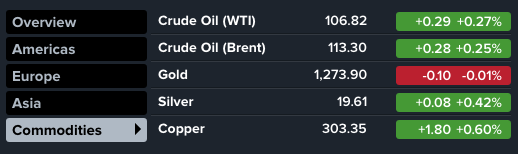
Commodities

Screen Shot 2014-06-20 at 4.35.10 PM

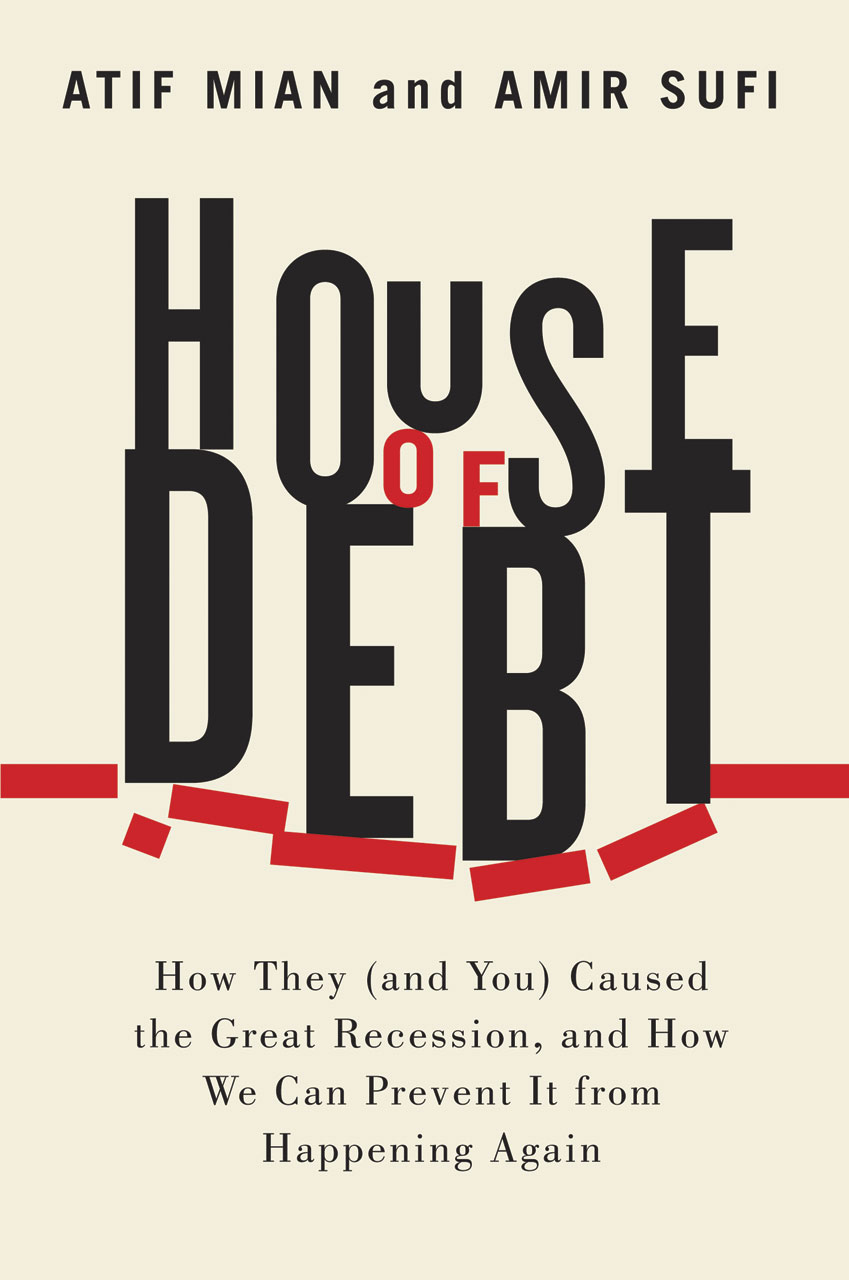
HBCU Money™ Business Book Feature – House of Debt: How They (and You) Caused the Great Recession


9780226081946

The Great American Recession resulted in the loss of eight million jobs between 2007 and 2009. More than four million homes were lost to foreclosures. Is it a coincidence that the United States witnessed a dramatic rise in household debt in the years before the recession—that the total amount of debt for American households doubled between 2000 and 2007 to $14 trillion? Definitely not. Armed with clear and powerful evidence, Atif Mian and Amir Sufi reveal in House of Debt how the Great Recession and Great Depression, as well as the current economic malaise in Europe, were caused by a large run-up in household debt followed by a significantly large drop in household spending.

Though the banking crisis captured the public’s attention, Mian and Sufi argue strongly with actual data that current policy is too heavily biased toward protecting banks and creditors. Increasing the flow of credit, they show, is disastrously counterproductive when the fundamental problem is too much debt. As their research shows, excessive household debt leads to foreclosures, causing individuals to spend less and save more. Less spending means less demand for goods, followed by declines in production and huge job losses. How do we end such a cycle? With a direct attack on debt, say Mian and Sufi.  More aggressive debt forgiveness after the crash helps, but as they illustrate, we can be rid of painful bubble-and-bust episodes only if the financial system moves away from its reliance on inflexible debt contracts. As an example, they propose new mortgage contracts that are built on the principle of risk-sharing, a concept that would have prevented the housing bubble from emerging in the first place.

Thoroughly grounded in compelling economic evidence, House of Debt offers convincing answers to some of the most important questions facing the modern economy today: Why do severe recessions happen? Could we have prevented the Great Recession and its consequences? And what actions are needed to prevent such crises going forward?

HBCU Money™ Dozen 6/9 – 6/13

400px-DJCTQ_-_12.svg

Did you miss HBCU Money™ Dozen via Twitter? No worry. We are now putting them on the site for you to visit at your leisure. We have made some changes here at HBCU Money™ Dozen. We are now solely focused on research and central bank articles from the previous week.

Research

10 ‘geek dads’ share tales and tips from the IT trenches l Computerworld bit.ly/1l5uHAB

HP Places Its Data Center Bet on ‘The Machine’ l CIOonline trib.al/IyMArCv

A growing intolerance for violence emerges from this Victorian court data l New Scientist ow.ly/xYmPN

Google Pays $500 Million to Buy Satellite Maker Skybox Imaging l CIOonline http://trib.al/K8ihDax

Landfill Gas Heats Up Entire French Town l Clean Technica http://dlvr.it/5zLpFj

Peek inside the cockpit of a 1000-mile-per-hour car l New Scientist http://ow.ly/xXSck

Federal Reserve, Central Banks, & Financial Departments

New York Fed’s 1st Annual Report & Newly Released, 99th Annual Report l NY Fed http://nyfed.org/1joDZSy

Natural disasters cost some island states 6.6% of GDP. Working together, they can lower risk l World Bank http://wrld.bg/xPBOO

Bring current events into the classroom from EconEdLink related to today’s news l Council 4 Econ Ed http://ow.ly/xYGcq

Short video explains the ways in which world shocks have affected the UK economy l Bank of England http://ow.ly/xYGDX

40 Social Media Acronyms You Should Totally Know [Infographic] l CU Magazinehttp://swyy.co/1kR5Mj8

What Eric Cantor’s Surprise Ouster Means For Credit Unions l CU Journal http://bit.ly/1qvbZS1

Thank you as always for joining us on Saturday for HBCU Money™ Dozen. The 12 most important research and finance articles of the week.

The HBCU Money™ Weekly Market Watch

Our Money Matters /\ June 13, 2014

A weekly snapshot of African American owned public companies and HBCU Money™ tracked African stock exchanges.

NAME TICKER PRICE (GAIN/LOSS %)

African American Publicly Traded Companies

Citizens Bancshares Georgia (CZBS) $8.93 (0.11% UP)

M&F Bancorp (MFBP) $4.85 (0.00% UNCH)

Radio One (ROIA) $4.46 (0.00% UNCH)

African Stock Exchanges

Bourse Regionale des Valeurs Mobilieres (BRVM)  231.83 (0.37% DN)

Botswana Stock Exchange (BSE)  9 125.08 (0.00% DN)

Ghana Stock Exchange (GSE)  2 359.93 (10.01% UP)*

Nairobi Stock Exchange (NSE)  150.60 (N/A)

Johannesburg Stock Exchange (JSE) 50 763.71 (0.33% UP)

International Stock Exchanges

New York Stock Exchange (NYSE) 10 849.17 (0.22% UP)

London Stock Exchange (LSE)  3 618.54 (1.09% DN)

Tokyo Stock Exchange (TOPIX)  1 243.97 (0.50% UP)

Commodities

Screen Shot 2014-06-13 at 11.53.55 AM

2014 World Cup: Key Facts About Africa’s 5 Participating Countries

2014FIFAWorldCup

ALGERIA

Screen Shot 2014-06-11 at 8.15.26 PM

Screen Shot 2014-06-11 at 8.16.00 PM

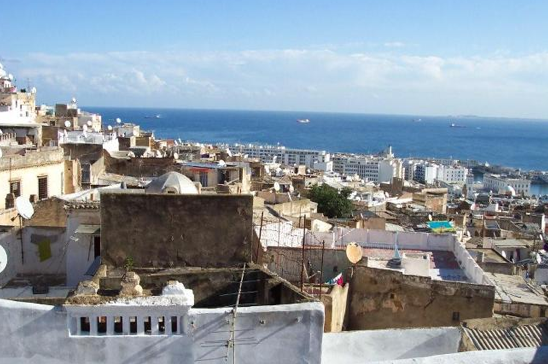
Picture Above: Mediterranean view from Algiers rooftop.

Location: Northern Africa, bordering the Mediterranean Sea, between Morocco and Tunisia

Population: 38 813 722

Literacy Rate: Overall – 72.6% l Male – 81.3% l Female – 63.9%

GDP (purchasing power parity): $284.7 billion

GDP Growth Rate: 3.1%

Unemployment Rate: 10.3%

Population below poverty line: 23%

CAMEROON
Screen Shot 2014-06-11 at 8.26.09 PM

Screen Shot 2014-06-11 at 8.26.21 PM

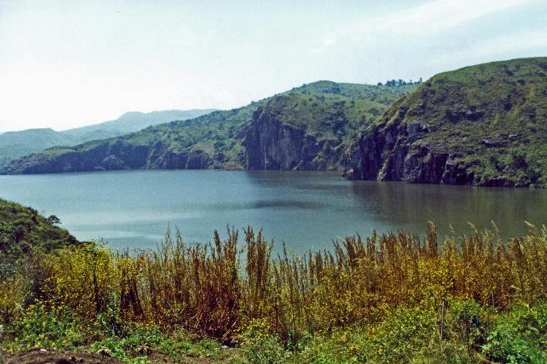
Picture Above: Lake Nyos is a crater lake on the flank of an inactive volcano.

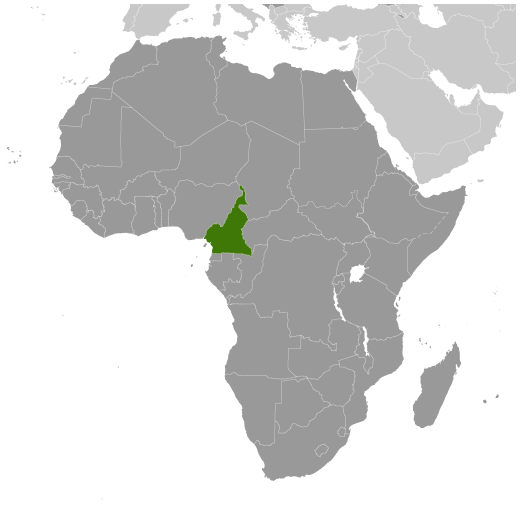
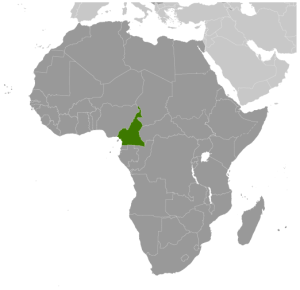
Location: Central Africa, bordering the Bight of Biafra, between Equatorial Guinea and Nigeria

Population: 23 130 708

Literacy Rate: Overall – 71.3% l Male – 78.3% l 64.8%

GDP (purchasing power parity): $53.16 billion

GDP Growth Rate: 4.6%

Unemployment Rate: 30%

Population below poverty line: 48%

COTE D’IVOIRE

Screen Shot 2014-06-11 at 8.35.33 PM

girls-in-class-ivory-coast

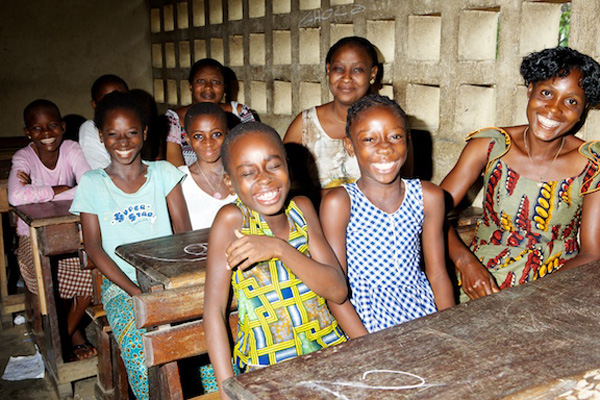
Picture Above: Mothers start a club to invest in girls’ education.

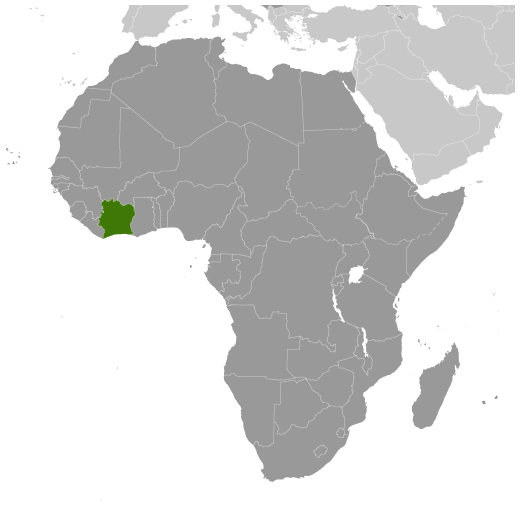
Location: Western Africa, bordering the North Atlantic Ocean, between Ghana and Liberia

Population: 22 848 945

Literacy Rate: Overall – 56.9% l Male – 65.6% l Female – 47.6%

GDP (purchasing power parity): $43.67 billion

GDP Growth Rate: 8%

Unemployment Rate: N/A

Population below poverty line: 42%

GHANA

Screen Shot 2014-06-11 at 8.45.38 PM

Ghana 9G5XA DX News

Picture Above: Performers at Ghana sporting event.

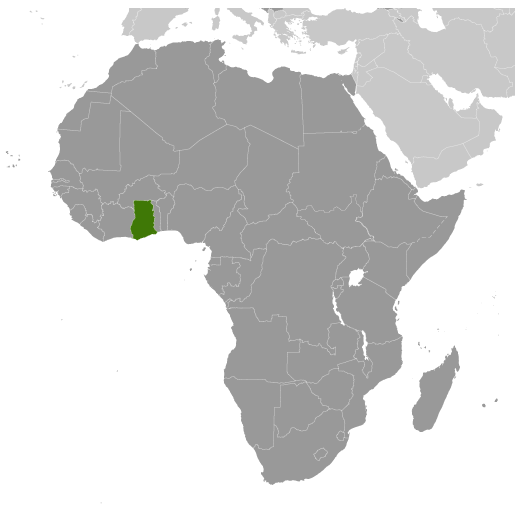
Location: Western Africa, bordering the Gulf of Guinea, between Cote d’Ivoire and Togo

Population: 25 758 108

Literacy Rate: Overall – 71.5% l Male – 78.3% l Female – 65.3%

GDP (purchasing power parity): $90.41 billion

GDP Growth Rate: 7.9%

Unemployment Rate: 11%

Population below poverty line: 28.5%

NIGERIA
ni_large_locator

131106160058-lagos-hans-wilschut-centre-of-excellence-2012-horizontal-gallery

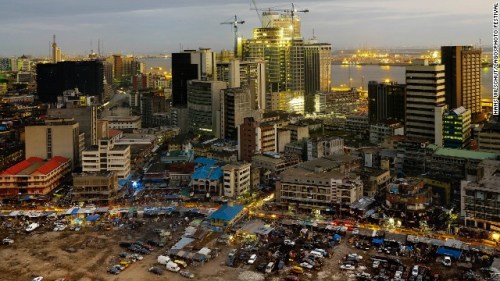
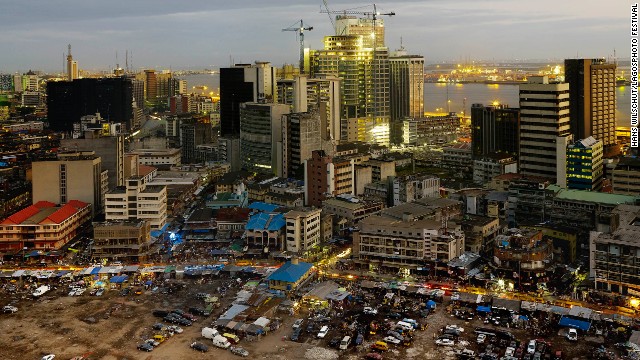
Picture Above: Aerial view of photo festival in the capital city, Lagos.

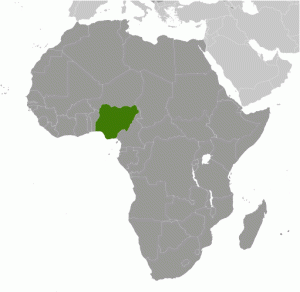
Location: Western Africa, bordering the Gulf of Guinea, between Benin and Cameroon

Population: 177 155 754

Literacy Rate: Overall – 61.3% l Male – 72.1% l Female – 50.4%

GDP (purchasing power parity): $478.5 billion

GDP Growth Rate: 6.2%

Unemployment Rate: 23.9%

Population below poverty line: 70%