Tag Archives: solar power

Which HBCU/PBI State Is Winning At Renewable Energy Production?

It is no secret that the world is moving towards a stronger reliance on renewable energy*, but there is a swath of the country that is moving extremely slow to embrace it. That swath is dominated by HBCU/PBI states who still dominantly prefer a traditional energy mix. The move towards renewable energy though is inevitable. This is both for environmental and economic reasons. To the latter, there is a massive investment and entrepreneurship opportunity available to HBCUpreneurs who want to help grow and cultivate the space in their respective states. American Association of Blacks In Energy (AABE) President Ralph Cleveland shared the following thoughts, “We will not meet the demands of energy transformation and climate change without Black institutions. This partnership reinforces the critical role HBCUs play in shaping the face of energy talent, development, and design. Not only do we need to create pathways to the C-Suite but we also need to activate our rich networks for a more inclusive energy ecosystem.” While we agree HBCUs need to create pathways to the C-Suite, we also believe the easiest and most economically empowering path there is to have HBCUs and HBCUpreneurs be the vanguard in creating renewable energy startups as highlighted in The Green Program’s ”19 Black Leaders on the Forefront of Clean Energy’ article. The power in energy like everything else is ultimately in the ownership.

HBCU Money took data from Yale Climate Connections and drilled down to the states that have HBCUs and PBIs located in them to see how the states where African America and its institutions are and will be impacted by the current energy mix in their state and also to highlight the opportunities that lay ahead as well. “Important note: The map shows electricity production within each state’s borders. Many states and utility companies exchange electricity with other states. So this data may not reflect the energy that is actually consumed — as opposed to generated — within each state.”

Why is nuclear not considered a renewable? National Grid states, “Nuclear fuels, such as the element uranium, are not considered renewable as they are a finite material mined from the ground and can only be found in certain locations.”

HIGHLIGHTS:

  • The average HBCU/PBI state has renewable energy of 12% average and 9% median, respectively.
  • Wind supplies the highest average renewable energy at 5% overall and hydropower supplies the highest median energy at 3% overall.
  • Oklahoma, the overall leader, is also the leader in wind energy with 41% of its energy coming from wind.
  • New York is the hydropower leader among HBCU/PBI states with 23% of its energy mix coming from water.
  • California is the solar power leader among HBCU/PBI states with 19% of its energy mix coming from the sun.
  • Only 6 of the 23 states have a double digit renewable energy source in their energy mix. Oklahoma, California, New York, Texas, Tennessee, Illinois.

OKLAHOMA

Renewable Electricity Generation: 44%

Renewable Rank Among All 50 States: 10th

Coal: 14%

Fossil Gas: 42%

Nuclear: 0%

Hydro: 3%

Wind: 41%

Solar: 0%

CALIFORNIA

Renewable Electricity Generation: 36%

Renewable Rank Among All 50 States: 13th

Coal: 0%

Fossil Gas: 47%

Nuclear: 9%

Hydro: 8%

Wind: 8%

Solar: 19%

NEW YORK

Renewable Electricity Generation: 28%

Renewable Rank Among All 50 States 16TH

Coal: 0%

Fossil Gas: 45%

Nuclear: 25%

Hydro: 23%

Wind: 3%

Solar: 1%

TEXAS

Renewable Electricity Generation: 26%

Renewable Rank Among All 50 States: 18th

Coal: 20%

Fossil Gas: 44%

Nuclear: 9%

Hydro: 0%

Wind: 23%

Solar: 3%

MASSACHUSETTS

Renewable Electricity Generation: 15%

Renewable Rank Among All 50 States: 22ND

Coal: 0%

Fossil Gas: 76%

Nuclear: 0%

Hydro: 6%

Wind: 1%

Solar: 8%

TENNESSEE

Renewable Electricity Generation: 15%

Renewable Rank Among All 50 States: 23RD

Coal: 23%

Fossil Gas: 16%

Nuclear: 46%

Hydro: 14%

Wind: 0%

Solar: 0%

NORTH CAROLINA

Renewable Electricity Generation: 13%

Renewable Rank Among All 50 States: 26th

Coal: 16%

Fossil Gas: 37%

Nuclear: 34%

Hydro: 5%

Wind: 0%

Solar: 8%

ILLINOIS

Renewable Electricity Generation: 11%

Renewable Rank Among All 50 States: 28TH

Coal: 23%

Fossil Gas: 11%

Nuclear: 54%

Hydro: 0%

Wind: 11%

Solar: 0%

INDIANA

Renewable Electricity Generation: 10%

Renewable Rank Among All 50 States: 30TH

Coal: 61%

Fossil Gas: 29%

Nuclear: 0%

Hydro: 0%

Wind: 9%

Solar: 1%

ALABAMA

Renewable Electricity Generation: 9%

Renewable Rank Among All 50 States: 32ND   

Coal: 20%

Fossil Gas: 38%

Nuclear: 33%

Hydro: 8%

Wind: 0%

Solar: 0%

MARYLAND

Renewable Electricity Generation: 9%

Renewable Rank Among All 50 States: 33RD  

Coal: 14%

Fossil Gas: 36%

Nuclear: 40%

Hydro: 6%

Wind: 1%

Solar: 2%

MICHIGAN

Renewable Electricity Generation: 8%

Renewable Rank Among All 50 States: 34TH  

Coal: 33%

Fossil Gas: 26%

Nuclear: 30%

Hydro: 1%

Wind: 7%

Solar: 0%

ARKANSAS

Renewable Electricity Generation: 7%

Renewable Rank Among All 50 States: 35TH  

Coal: 36%

Fossil Gas: 34%

Nuclear: 23%

Hydro: 7%

Wind: 0%

Solar: 1%

GEORGIA

Renewable Electricity Generation: 7%

Renewable Rank Among All 50 States: 36TH  

Coal: 16%

Fossil Gas: 47%

Nuclear: 29%

Hydro: 3%

Wind: 0%

Solar: 0%

KENTUCKY

Renewable Electricity Generation: 7%

Renewable Rank Among All 50 States: 37th  

Coal: 72%

Fossil Gas: 21%

Nuclear: 0%

Hydro: 7%

Wind: 0%

Solar: 0%

VIRGINIA

Renewable Electricity Generation: 5%

Renewable Rank Among All 50 States: 39TH  

Coal: 3%

Fossil Gas: 58%

Nuclear: 31%

Hydro: 1%

Wind: 0%

Solar: 4%

SOUTH CAROLINA

Renewable Electricity Generation: 5%

Renewable Rank Among All 50 States: 40th  

Coal: 16%

Fossil Gas: 24%

Nuclear: 56%

Hydro: 3%

Wind: 0%

Solar: 2%

FLORIDA

Renewable Electricity Generation: 4%

Renewable Rank Among All 50 States: 43RD   

Coal: 8%

Fossil Gas: 75%

Nuclear: 12%

Hydro: 0%

Wind: 0%

Solar: 4%

LOUISIANA

Renewable Electricity Generation: 2%

Renewable Rank Among All 50 States: 47TH   

Coal: 11%

Fossil Gas: 57%

Nuclear: 24%

Hydro: 2%

Wind: 0%

Solar: 0%

DELAWARE

Renewable Electricity Generation: 2%

Renewable Rank Among All 50 States: 49TH   

Coal: 8%

Fossil Gas: 88%

Nuclear: 0%

Hydro: 0%

Wind: 0%

Solar: 2%

MISSISSIPPI

Renewable Electricity Generation: 1%

Renewable Rank Among All 50 States: 50TH   

Coal: 8%

Fossil Gas: 73%

Nuclear: 18%

Hydro: 0%

Wind: 0%

Solar: 1%

The Finance & Tech Week In Review – 3/4/17

zu3yfgjbqpaifw5vkjxp

Every Saturday the HBCU Money staff picks ten articles they were intrigued by and think you will enjoy for some weekend reading impacting finance and tech.

These are the 22 best universities in emerging economies / WEF wef.ch/2lCMeSB

Why college doesn’t help more in closing racial and ethnic wealth gaps / St. Louis Fed bit.ly/2kz2sf6

This enormous solar power plant just became the biggest in the world / WEF wef.ch/2mdBq1y

You knew millennials were worse off than their parents, but this is how bad it is / WEF wef.ch/2mvIMLw

15 of the CIA’s most intriguing declassified maps / WEF wef.ch/2mdRxMl

Portable 3D printer builds a tiny house for a tiny price / New Atlas newatl.as/2mVpEpG

Astronomer and photographer Zoltan Levay makes distant galaxies beautiful. / Science News  ow.ly/s7zJ309yHRF

Trump announces budget cuts that may give China tech leadership / Computerworld ow.ly/Svss309AnxS

 Apple forfeits teachers’ pet rep as U.S. share sinks / CIO ow.ly/M5uC309AnoX

Advances in coral restoration hold promise for protecting coasts—and economies / Pew Trusts ow.ly/LHUX309Ansk

HBCU Money™ Dozen 10/26 – 10/30

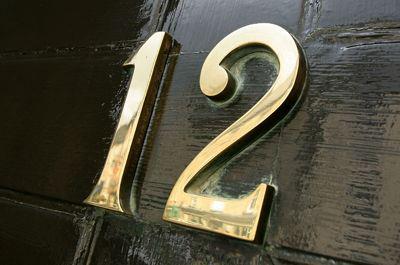
12

Did you miss HBCU Money™ Dozen via Twitter? No worry. We are now putting them on the site for you to visit at your leisure. We have made some changes here at HBCU Money™ Dozen. We are now solely focused on research and central bank articles from the previous week.

Research

Security tech company employees are stingy in contributing to Presidential race l CIOonline http://trib.al/A4Z2hDE

Scientists call for unified initiative to advance microbiome research l Argonne National Lab http://1.usa.gov/1KHNJUA

The solar suburbs of the future l Renewble Cities http://ow.ly/TUium

CSOs demanding more from cybersecurity tech l CSOonline http://trib.al/8tm6e6a

Deep sea swallowers may be small, but they can swallow much larger fish l Pew Environment http://pew.org/1YkVqKZ

Good news for hackers: People still plug found USB sticks into their computers l Network World http://bit.ly/1Oe4oGY

Federal Reserve, Central Banks, & Financial Departments

3 ways #LatinAmerica is fighting back l World Economic Forum http://wef.ch/1PUbPTZ

4 strategies successful people use to start their day l World Economic Forum http://wef.ch/1GOS1yb

Personal saving rate rose to a five-month high of 4.8 percent in September l St. Louis Fed http://bit.ly/1P1NfQT

Older workers have become a more prominent group among the long-term unemployed population l St. Louis Fed http://bit.ly/1P0Fnza

By 2060 there will be about 2.8bil people in #Africa out of a world #population of 10 bil l World Bank http://wrld.bg/U3tAx

Fed proposes new bailout rules for biggest banks l Housing Wire http://bit.ly/1XFIa29

Thank you as always for joining us on Saturday for HBCU Money™ Dozen. The 12 most important research and finance articles of the week.

Akon Lighting Africa and the Potential of HBCUs In Africa’s Development

“If you want to go quickly, go alone. If you want to go far, go together.” ~ African proverb

akon-blog-600-1-of-1-940x940

My travels to West African countries (Benin, Togo, & Ghana) in a study abroad program in 2006 were the highlight of my graduate education. However, the unfortunate aspect of the trip was that we, as students, weren’t provoked to consider our role in the global economy, specifically Africa. This would have been an opportune time in our intellectual development to challenge us to assess critically how we could become change agents as we encountered the host of social and structural issues of each country. For instance, in each country we visited, we witnessed many residents of the rural towns and villages using kerosene for lighting their homes and businesses. Unbeknown to us, approximately 22 million people in sub-Saharan Africa were living without electricity at the time. There are many opportunities present in rural Africa, and students should be at the center of entrepreneurial conversations, solutions, and building of partnerships.

As an educator, I am concerned that students, and Historically Black Colleges and University (HBCU) students in particular, are not having transformative conversations and experiences regarding entrepreneurship and using academic knowledge and resources to empower the African Diaspora. This conversation is necessary if we are truly interested in preparing our students to be at the forefront of global issues. HBCUs have the unique opportunity to develop students’ social and economic competencies to meet global needs that they may only be privileged to receive during the course of their higher education.

Many HBCUs have community-based programs such as study abroad programs, service-learning projects, and civic engagement activities that are focused on various African countries, which they do a good job of exposing students to African heritage, language, culture, dance, and ethnic cuisines. This knowledge and cultural exposure should only be the foundation to inculcating entrepreneurial and transformative thinking to students. To the contrary, most of these community-based programs simply focus on students’ exposure and consumption of “authentic” African culture without helping students to facilitate and develop entrepreneurial initiatives that would socially and economically enhance the place they are visiting. Instead, students leave Africa with masks, artwork, mud cloths, statues, and other cultural goods without understanding civic and global engagement that leads to sustainable solutions.

maxresdefault

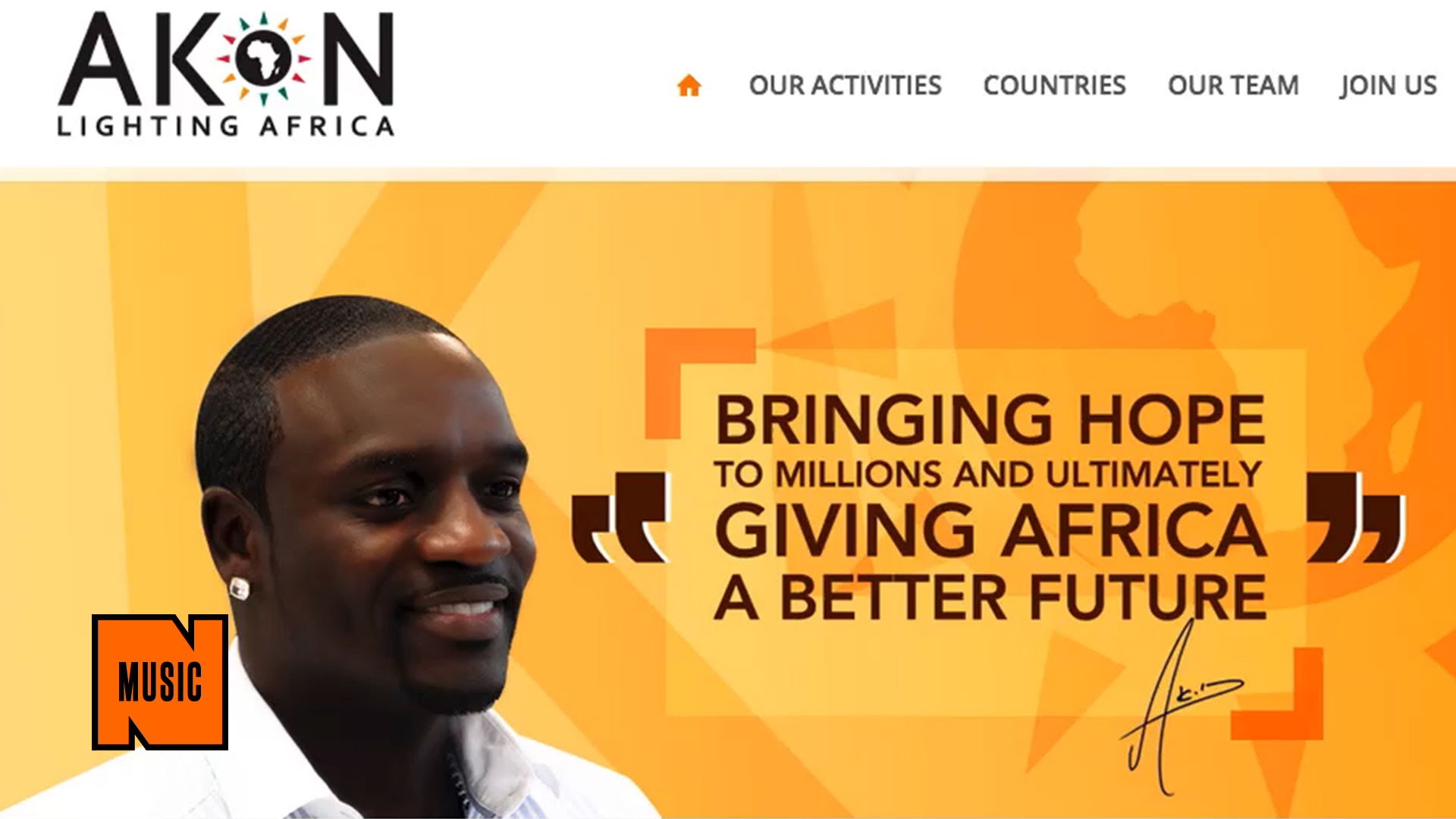
The most recent community initiative by a hip hop artist, Akon, made me re-evaluate the role HBCU administrators, alumni, students, and entrepreneurs. Akon is well known for his entrance in the hip hop music scene in 2004 with the release of his hit song “Locked Up.” However, Akon’s most impressive work is his current agenda to provide electricity to rural areas of Africa along with his partners Samba Bathily and Thione Niang under the Akon Lighting Africa Foundation. The Akon Lighting Africa Foundation has developed relationships with international banks to provide immediate electricity services to eleven African countries and counting by using available solar energy, which is a readily abundant resource in the continent. So where do HBCUs fit in such a community initiative?

This solar electricity initiative requires a host of skills, knowledge, and expertise in banking, community and global development, technical skills in installation, and knowledge of solar and clean energy. The aforementioned community-based programs offered at many HBCUs should consider developing partnerships with their alumni, community business leaders, and faculty to re-design these programs in order challenge students to design solutions that would benefit underdeveloped and economically marginalized communities. Not only would these communities benefit from such programs, but students would exit their institutional globally aware, marketable for employment, enhanced understanding of civic engagement, and a portfolio of work that demonstrates their skills and knowledge.

HBCUs also have the opportunity to capitalize off of such programming. One, action-oriented community programs would garner international attention and enhance the image of HBCUs worldwide, which would attract diverse students and faculty of the African Disapora. Two, this could attract potential donors like Nigerian billionaire Akilo Dangote and others to contribute to institutional endowments. Three, this is a great method for strengthening the relationship between alumni and their institution, socially and financially. Four, there would be an increase in faculty engaged in government-funded sponsored research. Five, HBCU administrators would have the opportunity to develop beneficial relationships with business leaders and entrepreneurs. And certainly not the last, HBCUs would achieve and extend their mission by truly changing the social and economic profile of the communities and students they serve providing an impetus for connecting the ecosystem of the African Diaspora.

HBCU Money™ Dozen 6/8 – 6/12

12photo

Did you miss HBCU Money™ Dozen via Twitter? No worry. We are now putting them on the site for you to visit at your leisure. We have made some changes here at HBCU Money™ Dozen. We are now solely focused on research and central bank articles from the previous week.

Research

Protecting Endangered Species with Better Mapping Technology l US EPA Research http://go.usa.gov/3PAPB

Smart slumbers: how we’re learning to sleep away addiction and bad memories l New Scientist http://ow.ly/ObvOj

100% Renewable Energy Goal For Hawaii: Governor Signs Bill l Clean Technica http://dlvr.it/B9vctF

IT continues to struggle to find software developers, data analysts l CIOonline http://trib.al/ul2GIuL

Health IT could curb prescription drug abuse, but adoption lags l CIOonline http://ow.ly/Ocf3C

US Residential Solar Market Grew 76% l Clean Technica http://dlvr.it/B9rjgc

Federal Reserve, Central Banks, & Financial Departments

What do the latest US jobs numbers tell us about interest rates? l World Economic Forum http://wef.ch/1Gwtxtl

See income and wealth trends for thrivers, stragglers and the middle class l St. Louis Fed http://bit.ly/1Itayxb

Egypt sees risks to growth and inflation risks mitigated l Central Bank News http://dlvr.it/B9w9Rj

4 ways the global economy is being transformed l World Economic Forum http://wef.ch/1MEaPyS

Does better education really drive economic growth? l World Economic Forum http://wef.ch/1K8UjaP

CoreLogic responsibly suspends employee involved in McKinney teen pool fracas l Housing Wire 

Thank you as always for joining us on Saturday for HBCU Money™ Dozen. The 12 most important research and finance articles of the week.